Regula.Já
Summary
The Problem
The Roteiro Municipal Health Department operated in operational chaos. The process relied on disconnected spreadsheets and the storage of sensitive data on personal cell phones (Shadow IT), violating the LGPD. This manual workflow generated 40 hours of weekly rework and jeopardized 6,000 lives, with requests lost due to syntax errors and a lack of traceability.
The Challenge
As the sole technical lead, with zero budget and no development team, I had to translate abstract demands into a viable solution. The challenge was twofold:
- Keep the operation running today (tactical)
- Design the definitive software architecture (strategic)
The Solution (Dual Delivery)
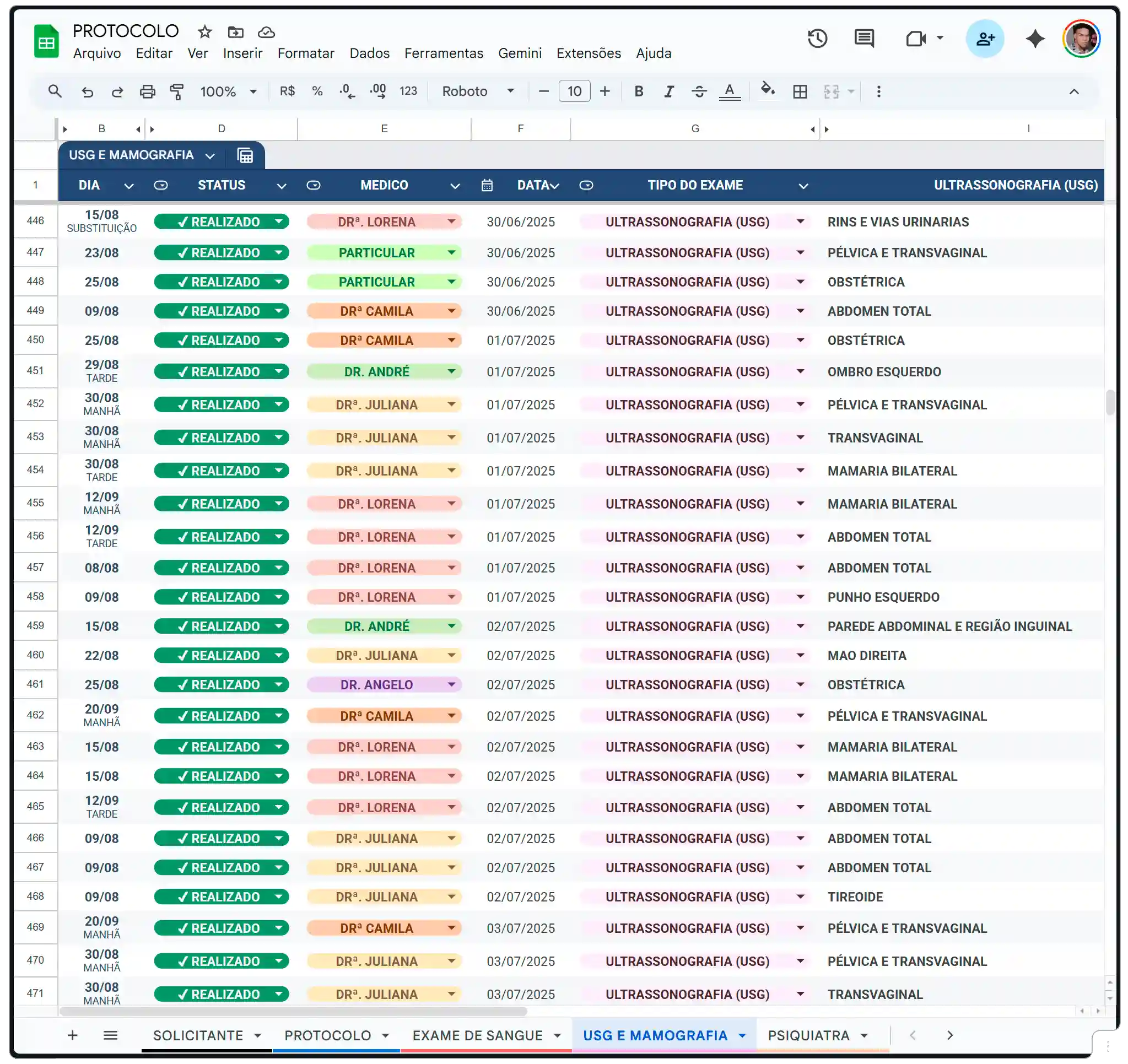
Tactical Operation (MVP Google Sheets) — ACHIEVED: I immediately restructured processes using no-code tools, centralizing data and sustaining the operation for 12 months.
Result: Centralized data, organized the workflow, and mitigated the risk of information loss, sustaining the operation for 12 months, although it did not solve the time bottleneck in image processing.
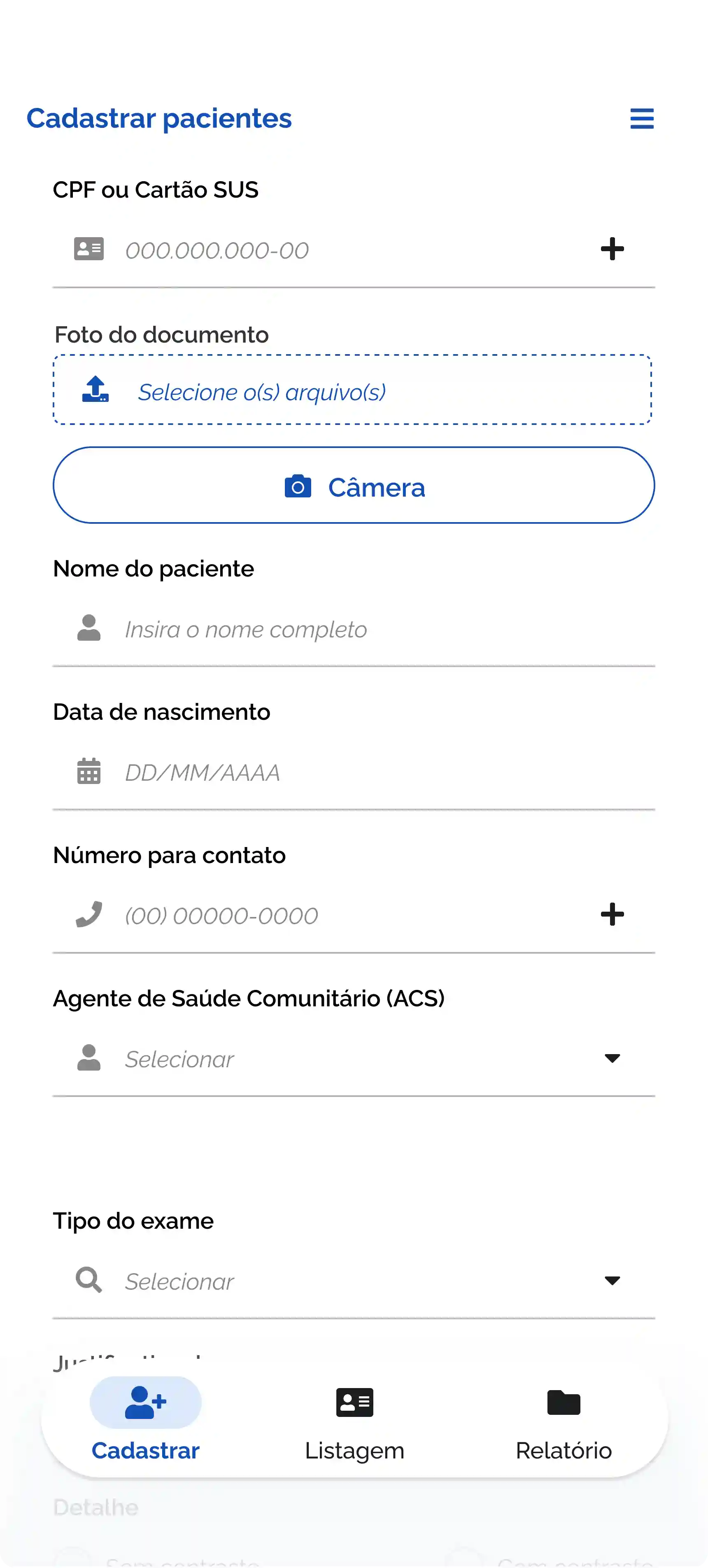
Technical Specification (Regula.Já V5): The technical and functional design of an end-to-end system, validated via high-fidelity prototypes and ready for development, designed to permanently eliminate the 18 critical infrastructure problems through:
- Operational Continuity Strategy to stabilize the critical operation before final development.
- Process Automation designed to eliminate 40 weekly hours of manual work (focusing on images and documents).
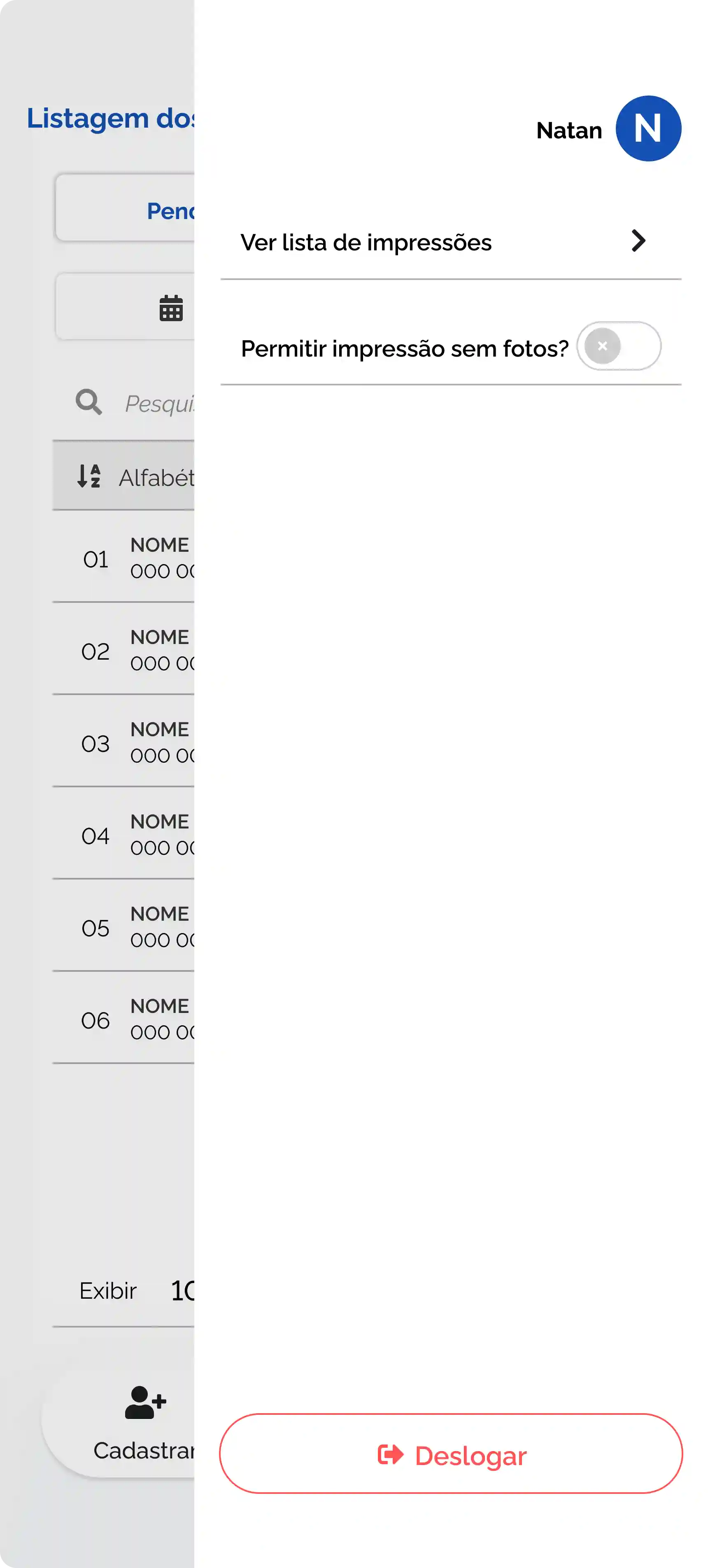
- Data Segregation (App Storage) to eliminate storage on personal cell phones.
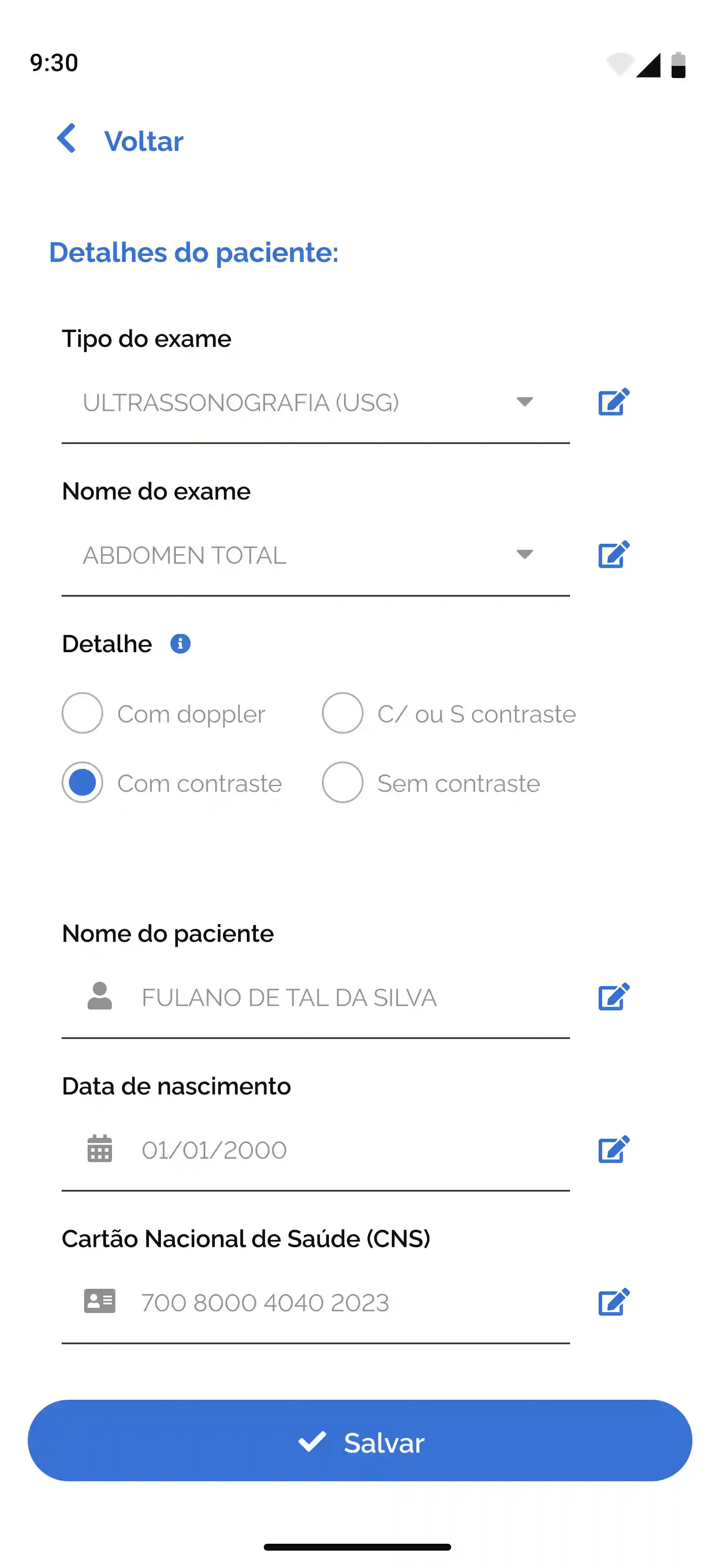
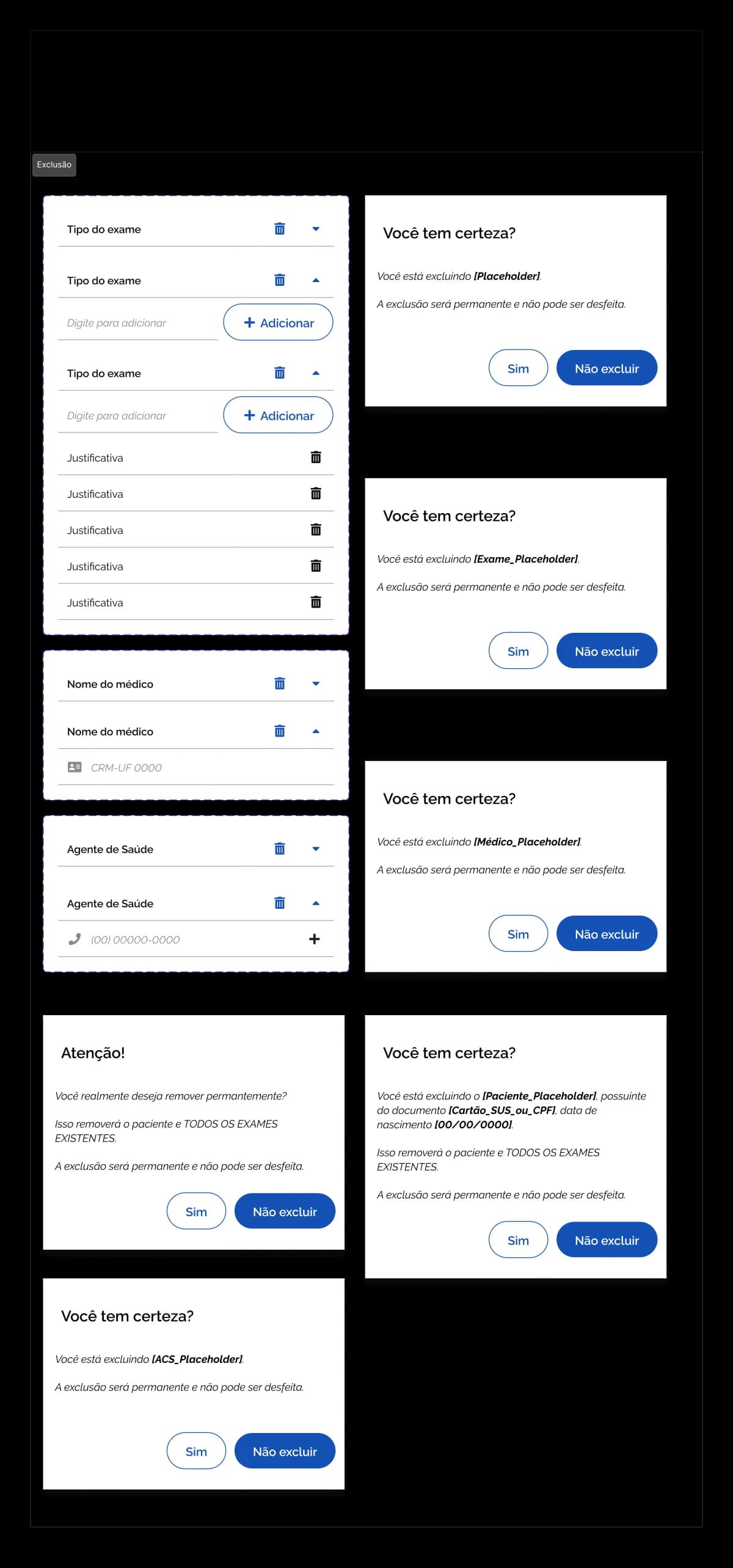
- Input Validation (Locks) to eradicate typos and technical rejections.
- Gov.BR Design System to ensure immediate familiarity and institutional legitimacy.
- Information Architecture to transform unstructured data into business intelligence.
The Result
The delivery of a technical specification package and validated process. I transformed chaos into an organized workflow via MVP and delivered the indisputable Technical Reference Documentation of the V5 software. This ensured the Department escaped operational paralysis and now possesses an auditable, specified project, technically ready for development contracting, shielded against scope risks.
Context
The Political and Social Context
Roteiro is a municipality in the countryside of Alagoas with 6,664 inhabitants. In 2025, a new administration took over the Health Department, finding the sector without any infrastructure for regulating medical exams. As the sole employee assigned to the role, I received a purely operational directive:
"Your job is administrative assistant. Log the exams and generate weekly lists to send to the mayor."
There was no system, processes, training, or team. Only the urgent demand of hundreds of citizens who depended on these exams for diagnosis and treatment.
My Role
- Product Manager (Strategy): Manage the crisis roadmap, defining what was critical for the MVP (Google Sheets) to work immediately.
- Technical Leadership (Resourcefulness): Facing a lack of funding, I recruited and managed a partner developer in a collaborative (volunteer) model, enabling technical Proofs of Concept (PoC) in the early stages.
- Service Designer: Map and optimize the entire journey (from physical paper to digital), eliminating operational bottlenecks.
- UX Researcher: Conduct ethnographic immersion and interviews to understand the real pain points of civil servants and citizens.
- Compliance (LGPD): Define access restriction policies to mitigate the risk of exposed data.
- Information Architect: Structure data taxonomy (SIA/SUS) to transform loose information into organized databases.
- UX Designer: Designing task flows, wireframes, and interaction architecture focused on mobile use.
- UI Designer: Adapt the Gov.BR Design System for high-fidelity interfaces, ensuring visual consistency.
- Accessibility: Ensure contrast, adequate touch targets, and readability for users with low vision.
Discovery: Research and Problem Identification
Research Methodology
To ensure the solution tackled the root causes and not just the symptoms, I conducted a qualitative and quantitative investigation using:
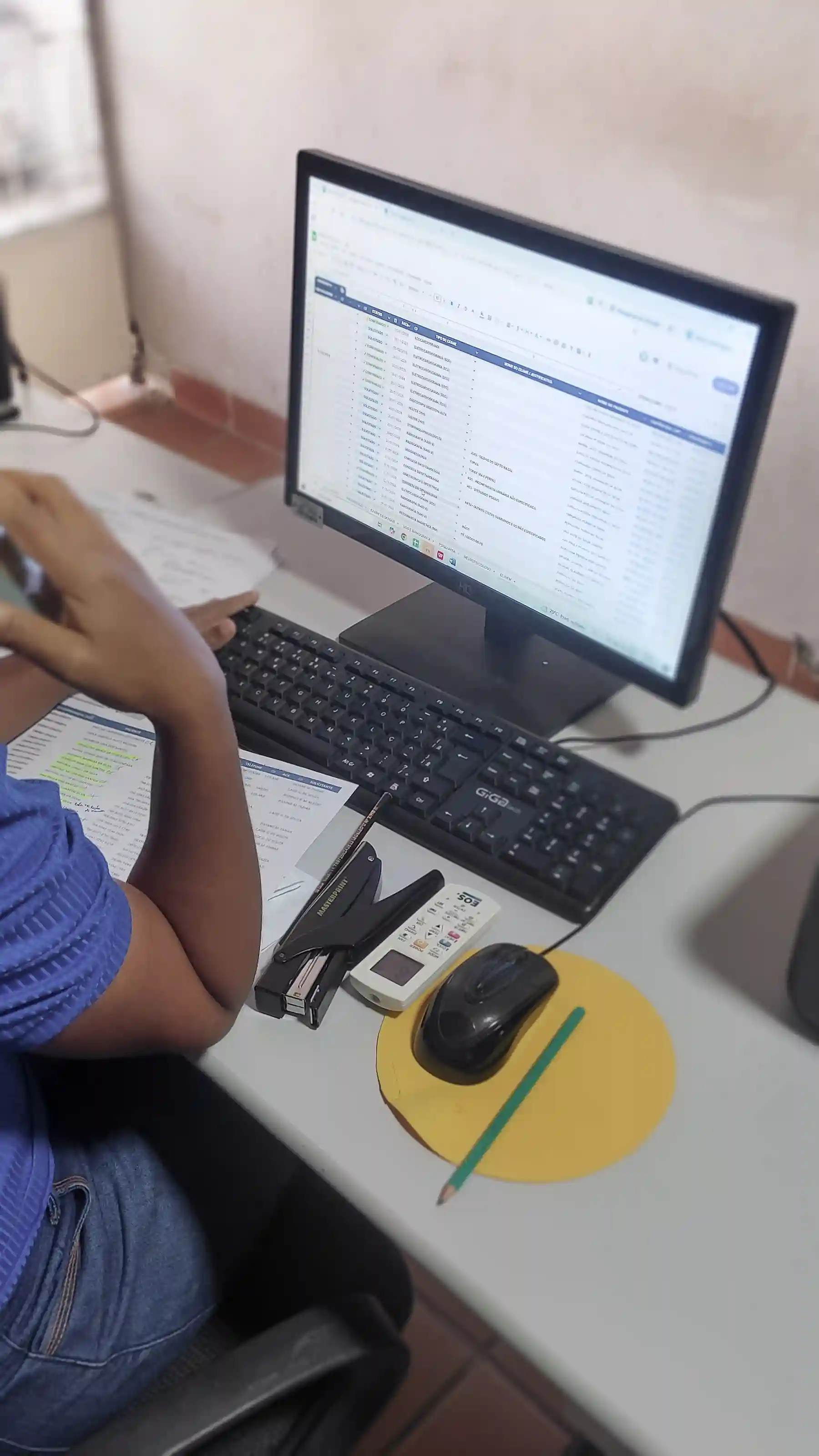
- Operational Immersion: I acted as a system operator on-site, experiencing the work routine to map frictions and nuances that do not appear in management reports.
- Stakeholder Interviews: I spoke with the Secretary of Health, coordinators, operational team, and patients to contrast the "management view" with the "frontline reality".
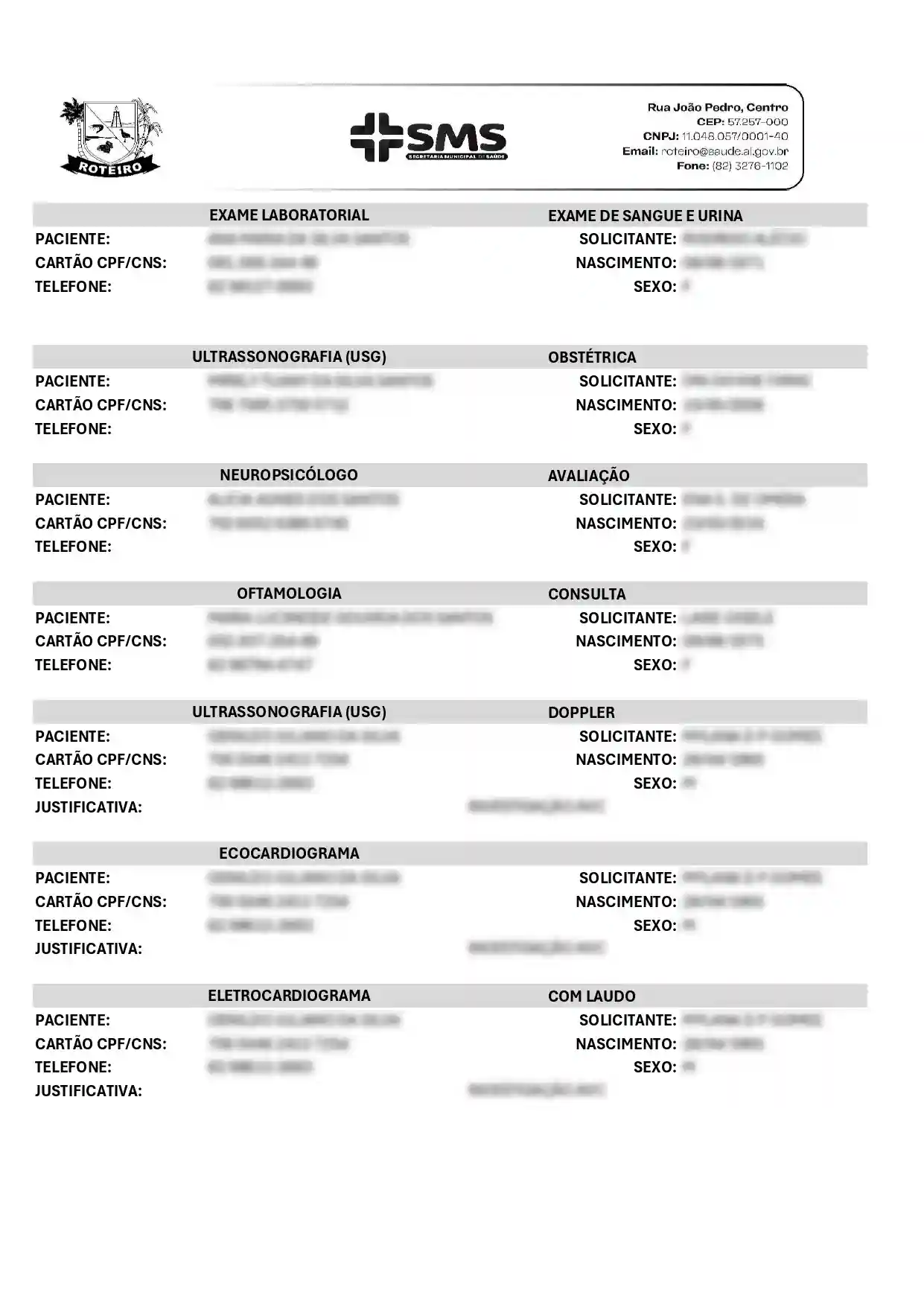
- Artifact and Legacy Analysis: I audited old spreadsheets, physical documents, and chat histories to understand the data logic (and lack thereof) of the previous administration.
- Heuristic Evaluation: I analyzed the usability of the improvised tools (Google Sheets and WhatsApp) to identify design principle violations and cognitive error risks.
The 18 Critical Problems Identified
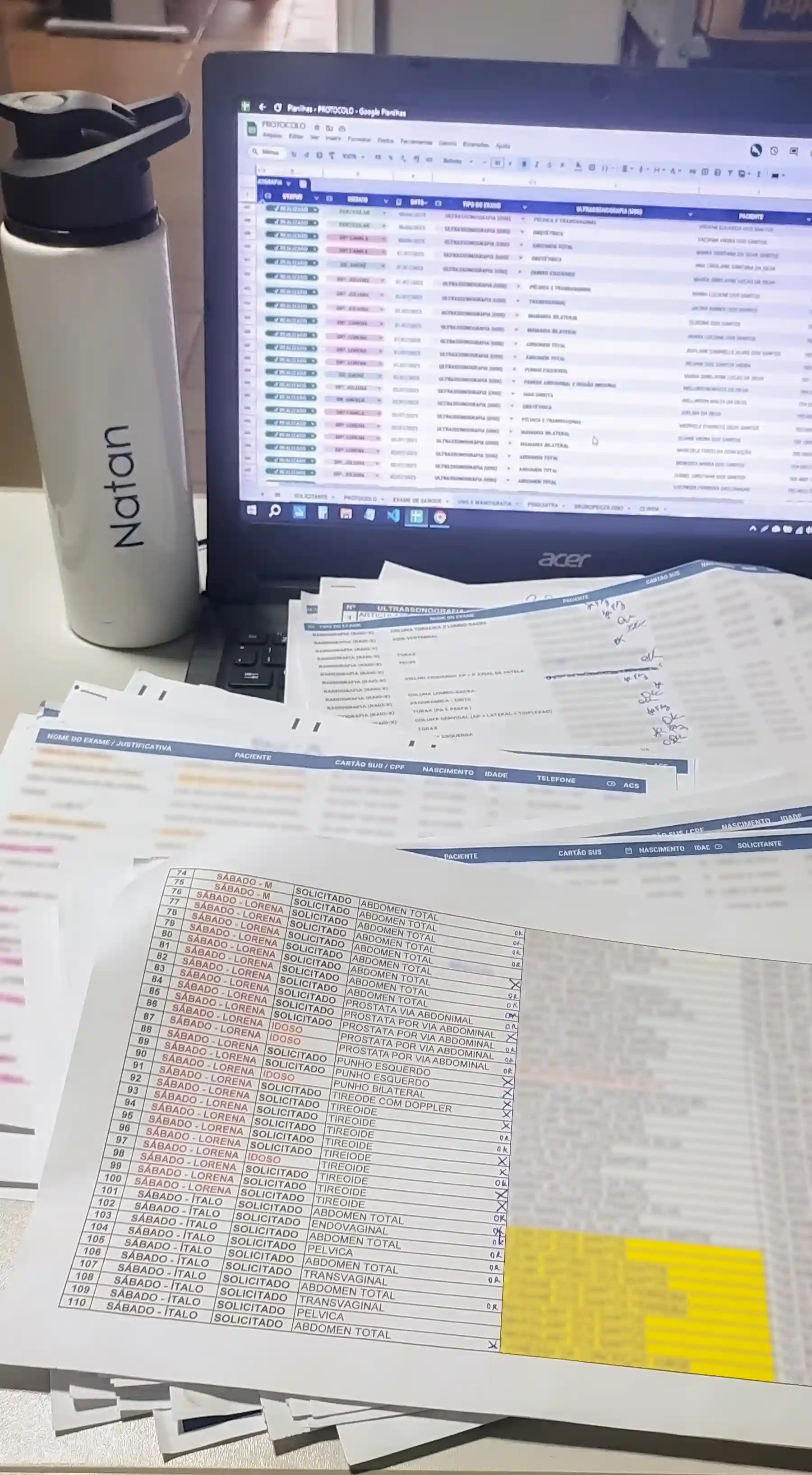
This deep investigation into the workflow revealed a scenario of High Complexity and Systemic Technical Debt, where every attempt at a manual solution created new roadblocks. I categorized the 18 identified problems into 4 pillars:
Manual and Slow Work
The process relied on assembling files "by hand" (copying and pasting photos into Word), causing delays, typos, and rejection of exams by the State.
Legal and Data Risk
Storing sensitive documents on personal cell phones violated the LGPD, while the lack of validation and taxonomic inconsistency generated errors and duplicates.
Lack of Control and Metrics
The city hall operated without data to make decisions (did not know the actual demand) and the team suffered from overload and blurring of personal life and work.
Difficulty for the Citizen
To schedule an exam, the patient had to miss a day of work and wait in lines, which increased dropout rates. The lack of notifications caused many patients to miss appointments (No-Show), wasting slots.
Strategy and Problem Definition
Problem Definition (HMW)
After months of immersion, I reframed the central challenge:
"How might we create a regulation system that eliminates human error and manual rework, ensuring legal security and speed, even when operated by a team with low digital literacy and limited infrastructure?"
Feature Prioritization (MoSCoW)
Must Have (Critical):
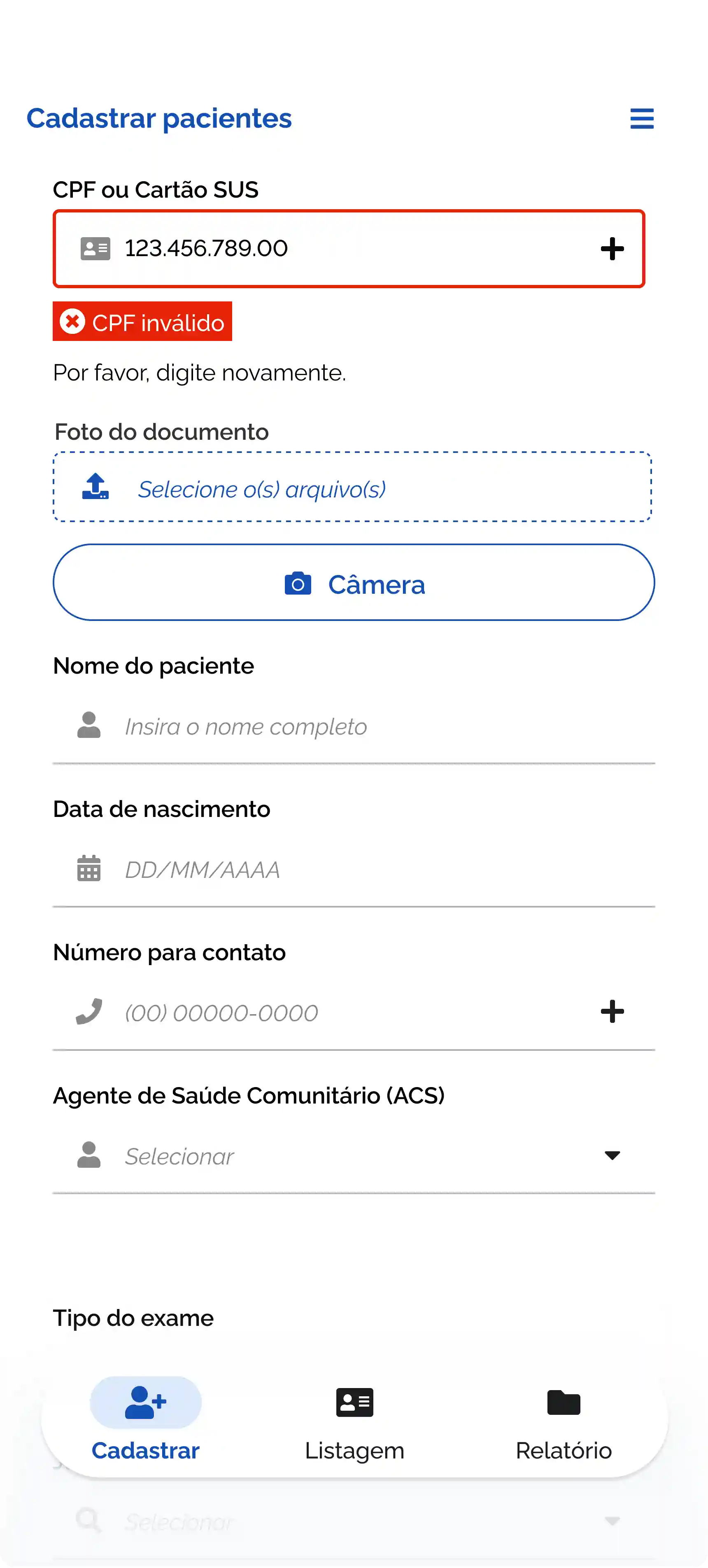
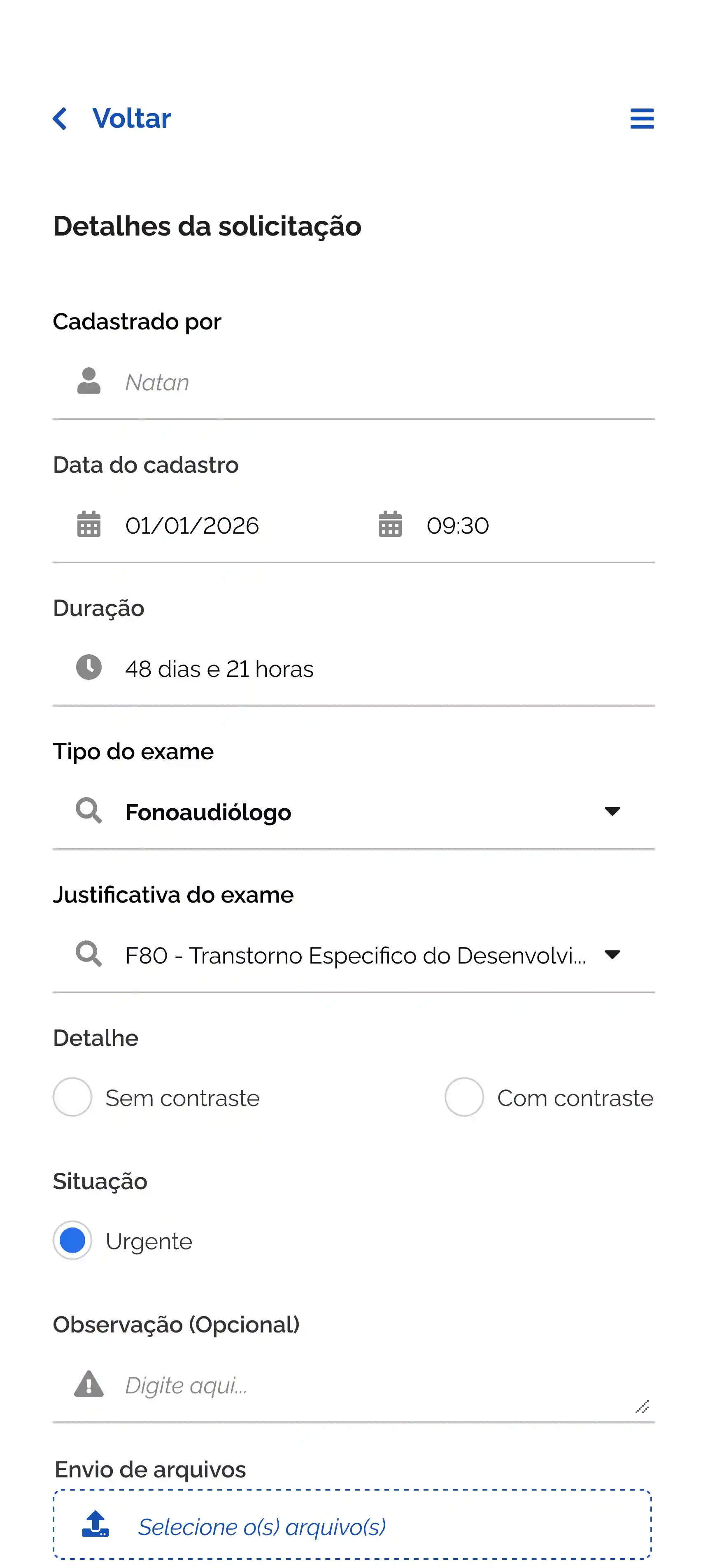
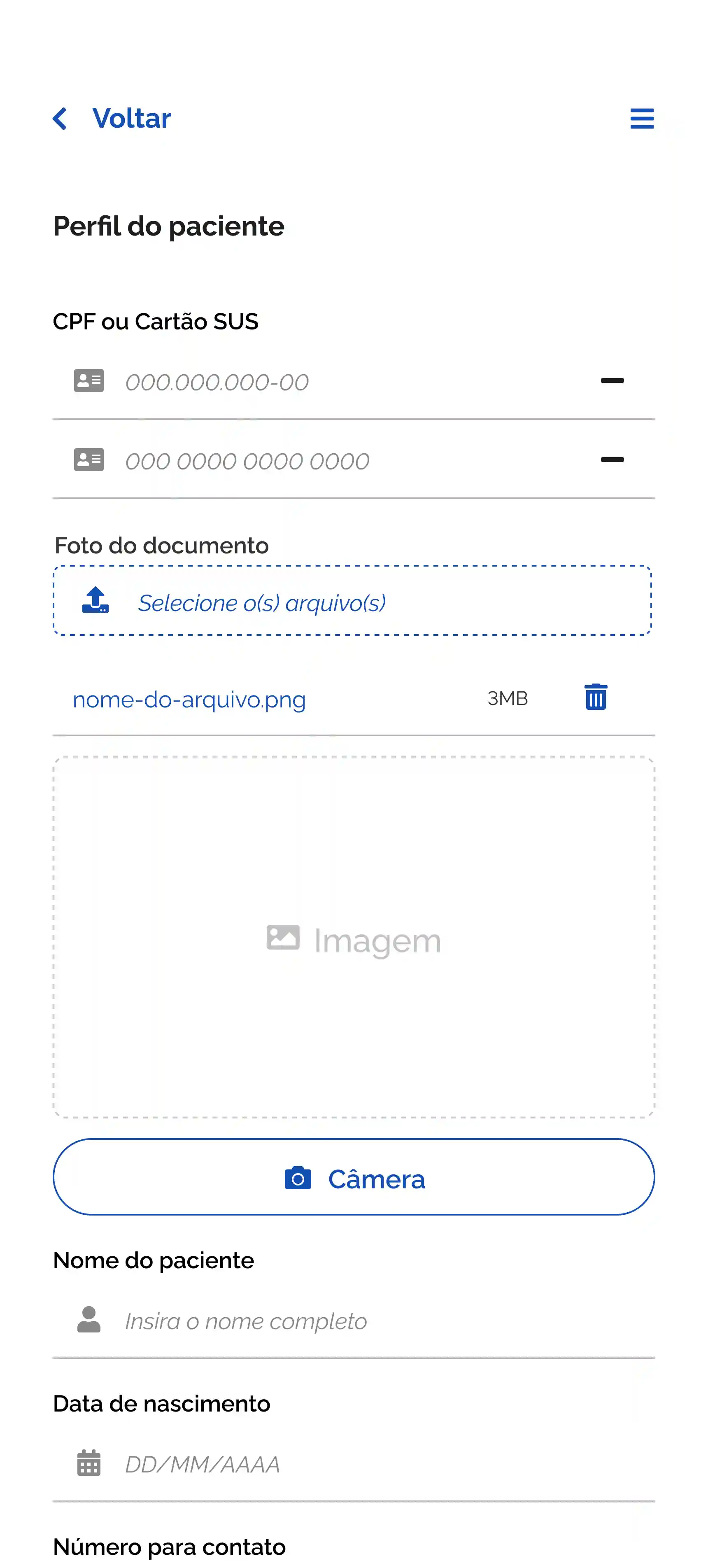
- Input Validation (logical locks for CNS/CPF)
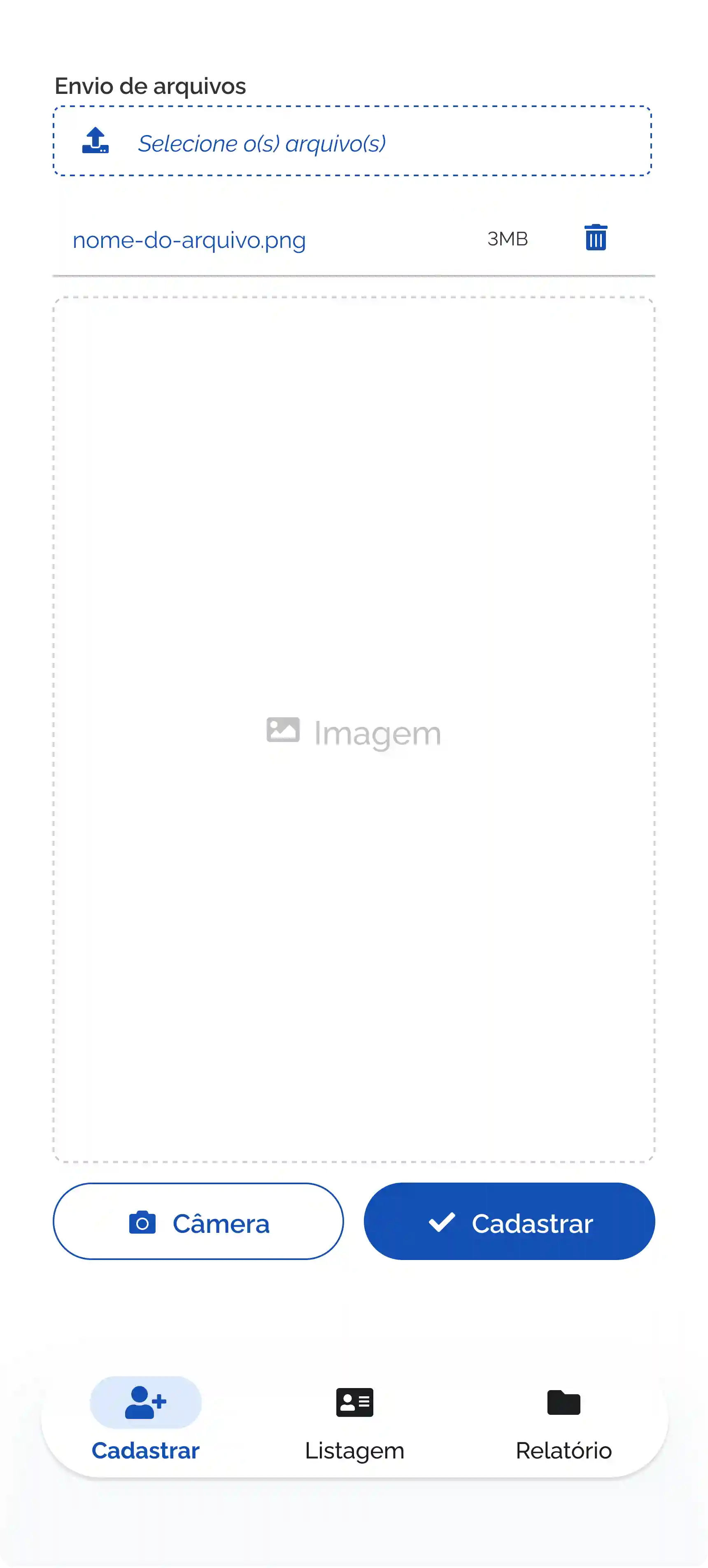
- Secure Capture (App Storage, without saving to gallery)
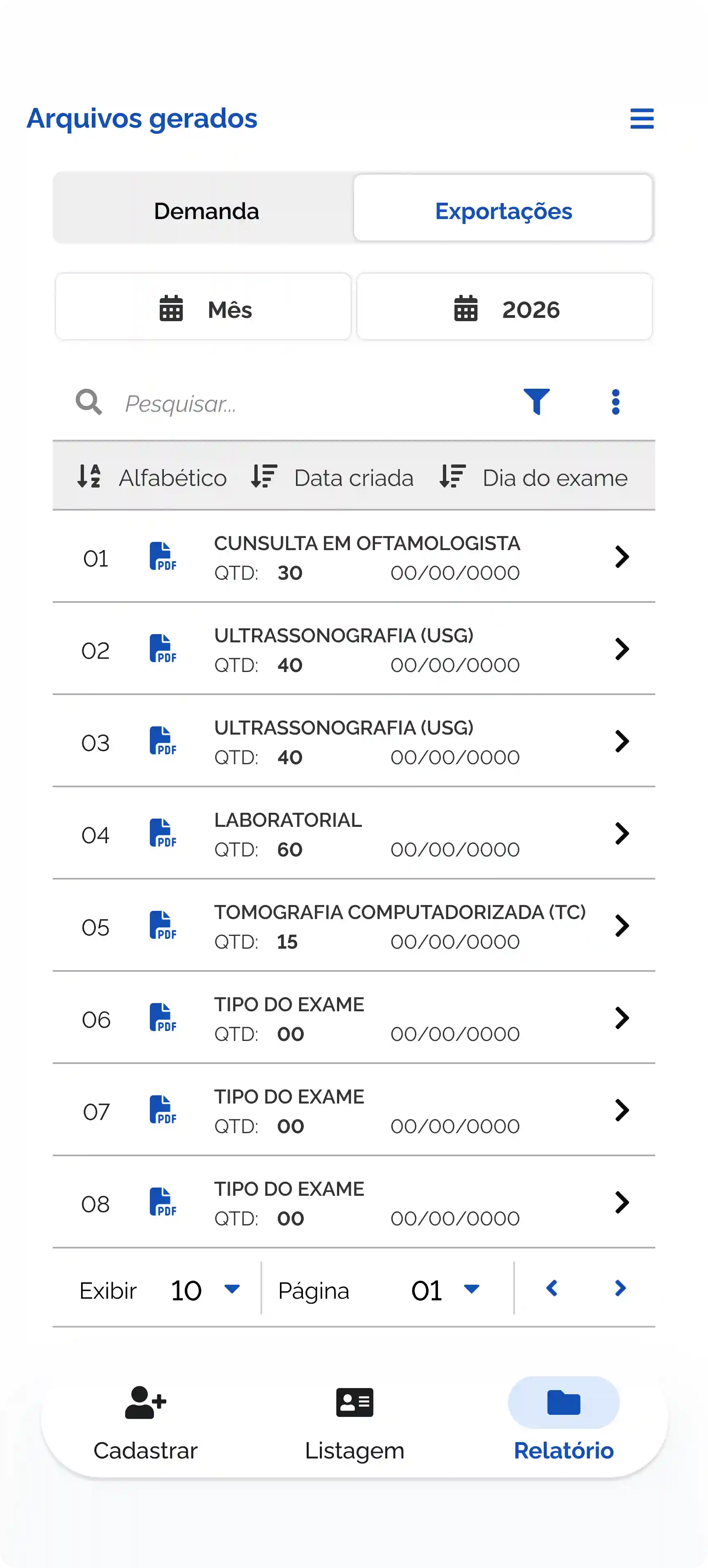
- Document Automation (automatic PDF generation)
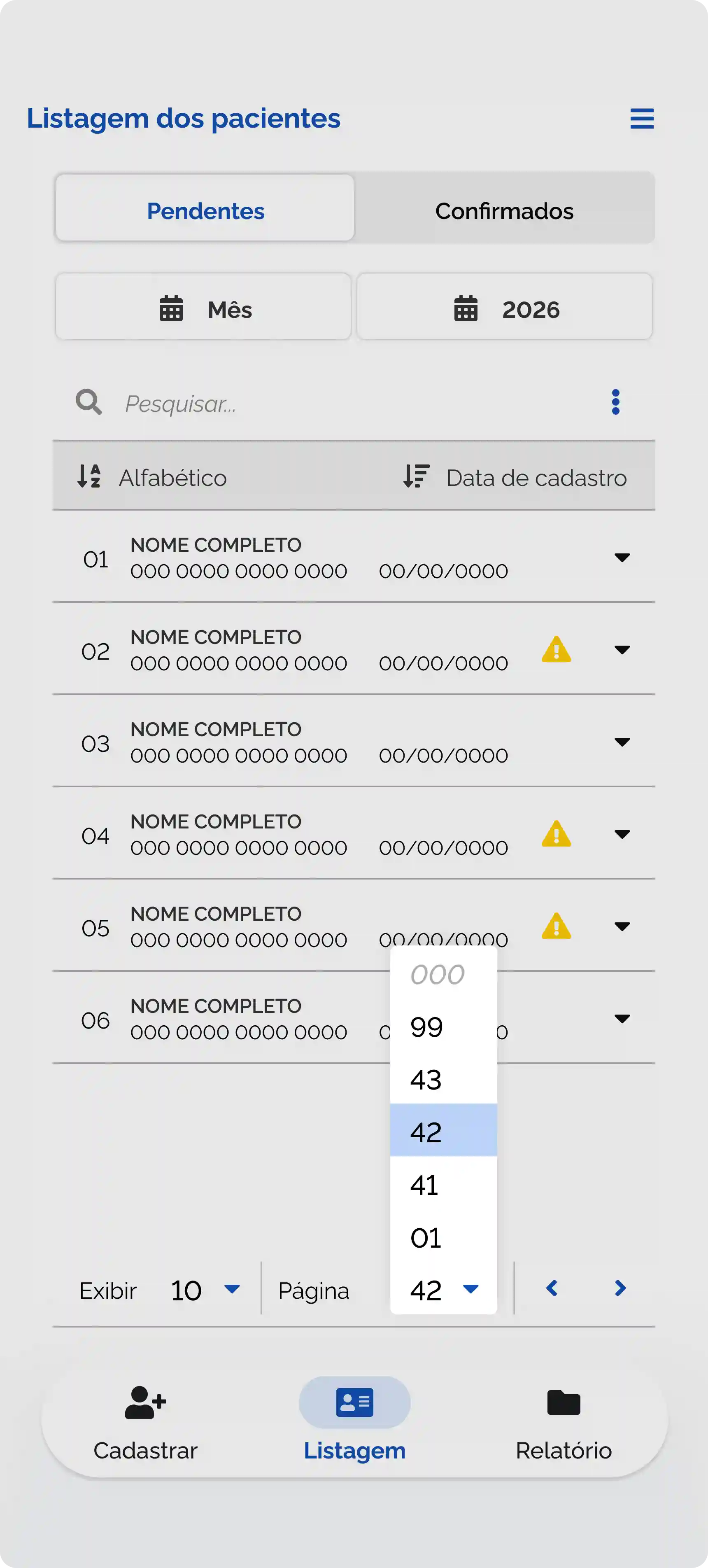
- Optimized Listing (tables with pagination and filters)
Should Have (Important):
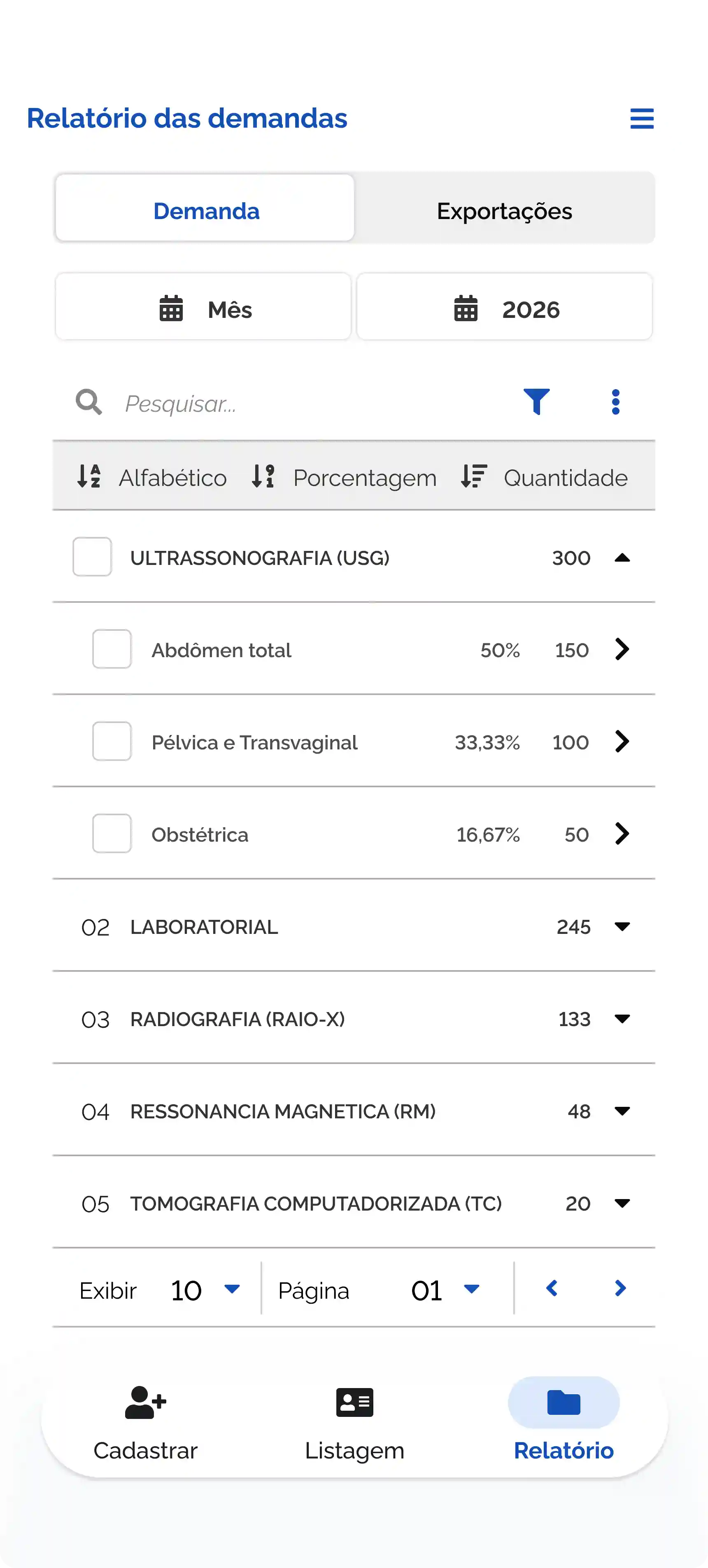
- Management Reports and BI Module
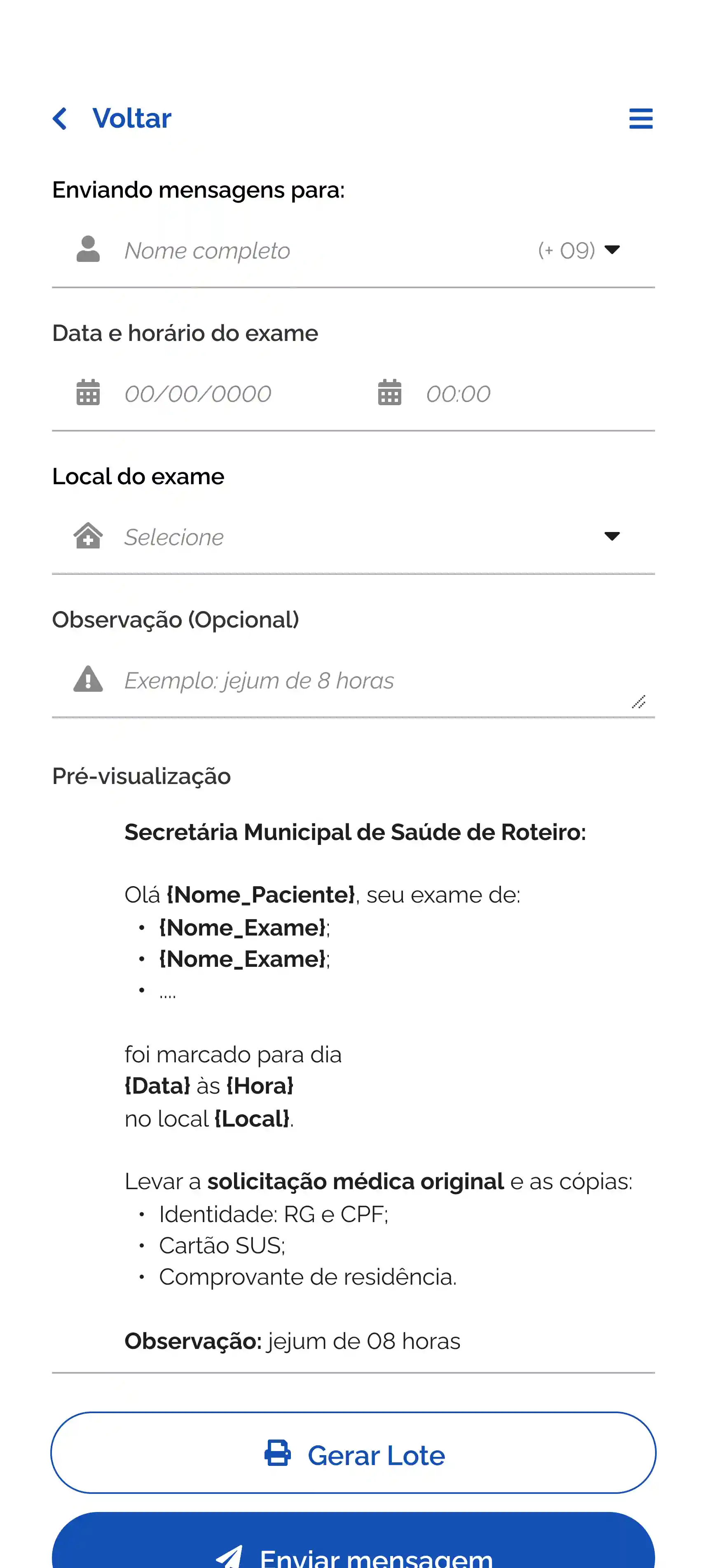
- Automatic sending via WhatsApp Web
- Batch history and traceability
Could Have (Future):
- App for ACS (Community Health Agents) to file requests on the streets
- Citizen Portal for self-service
Won't Have (Out of Scope):
- Direct API integration with the State system
- Telemedicine Module
Design and Prototyping: (V1 → V5)
My journey with Regula.Já was not linear. It evolved as my technical maturity grew, supported by strategic partnerships, field tests, and the need to adapt to a scenario of scarcity.
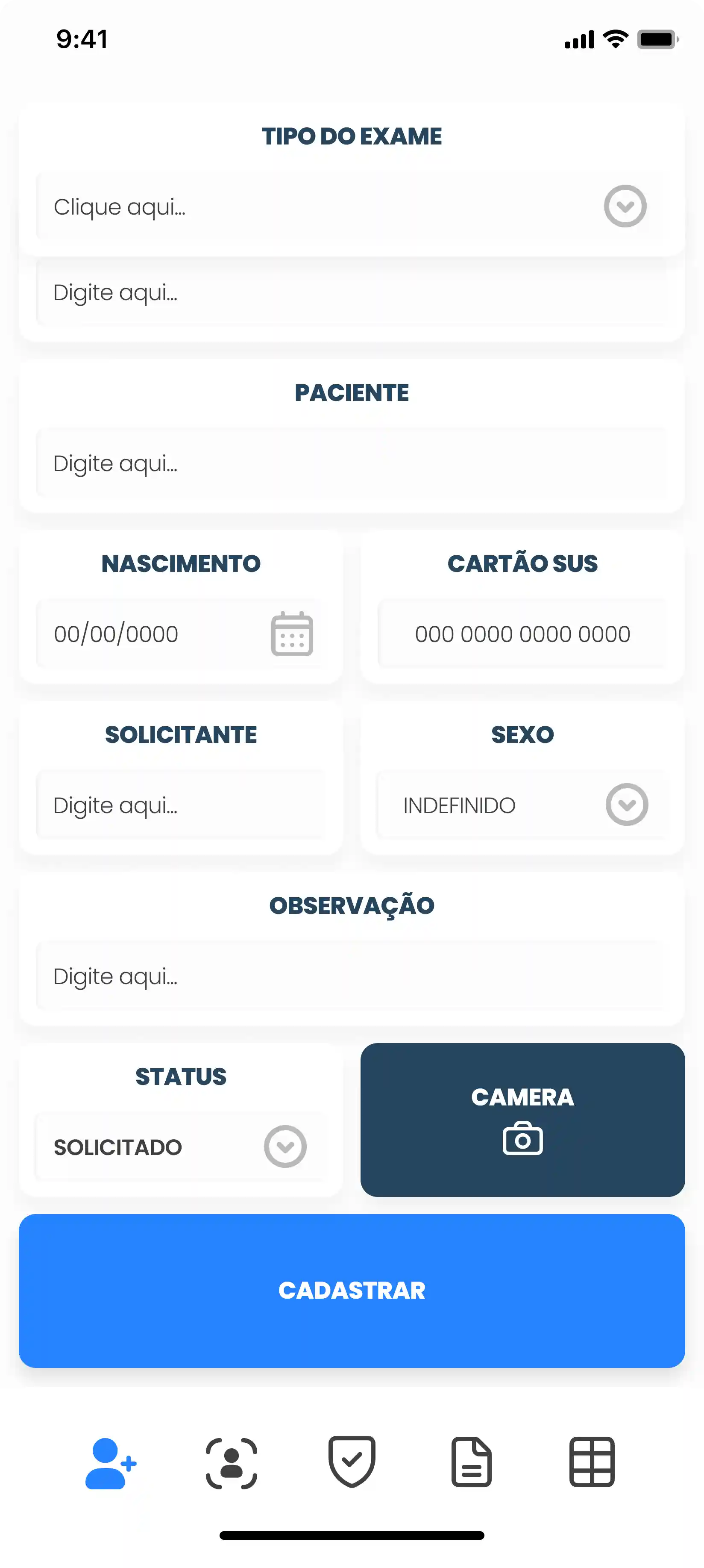
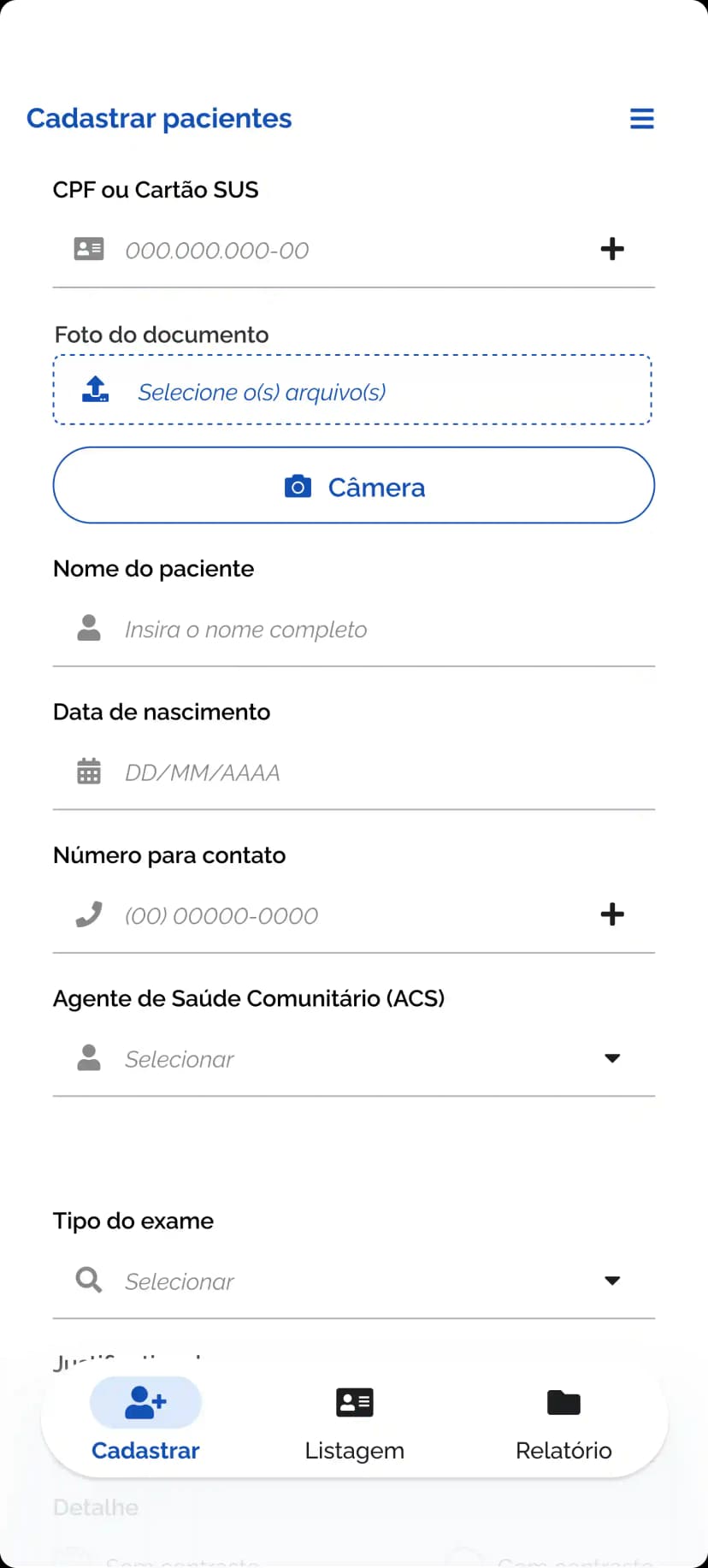
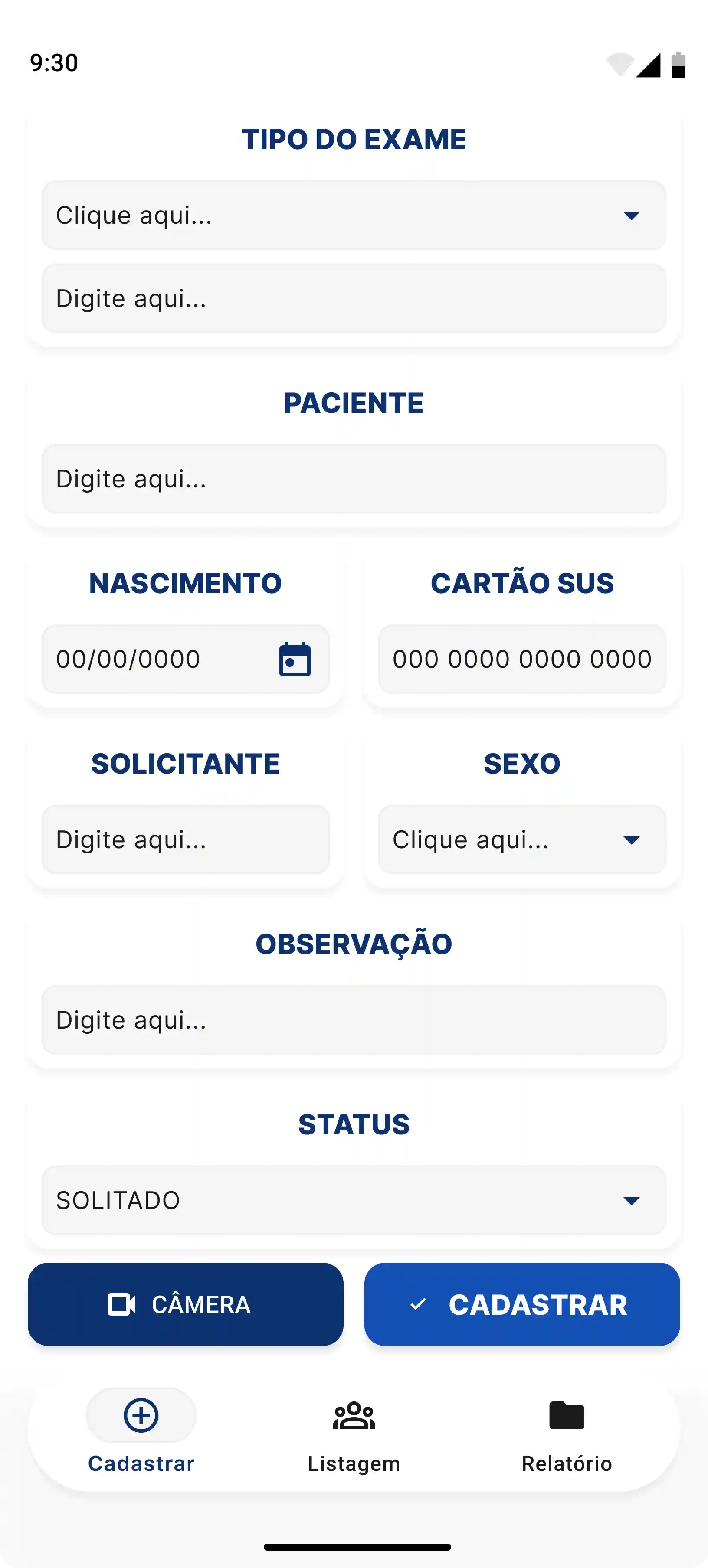
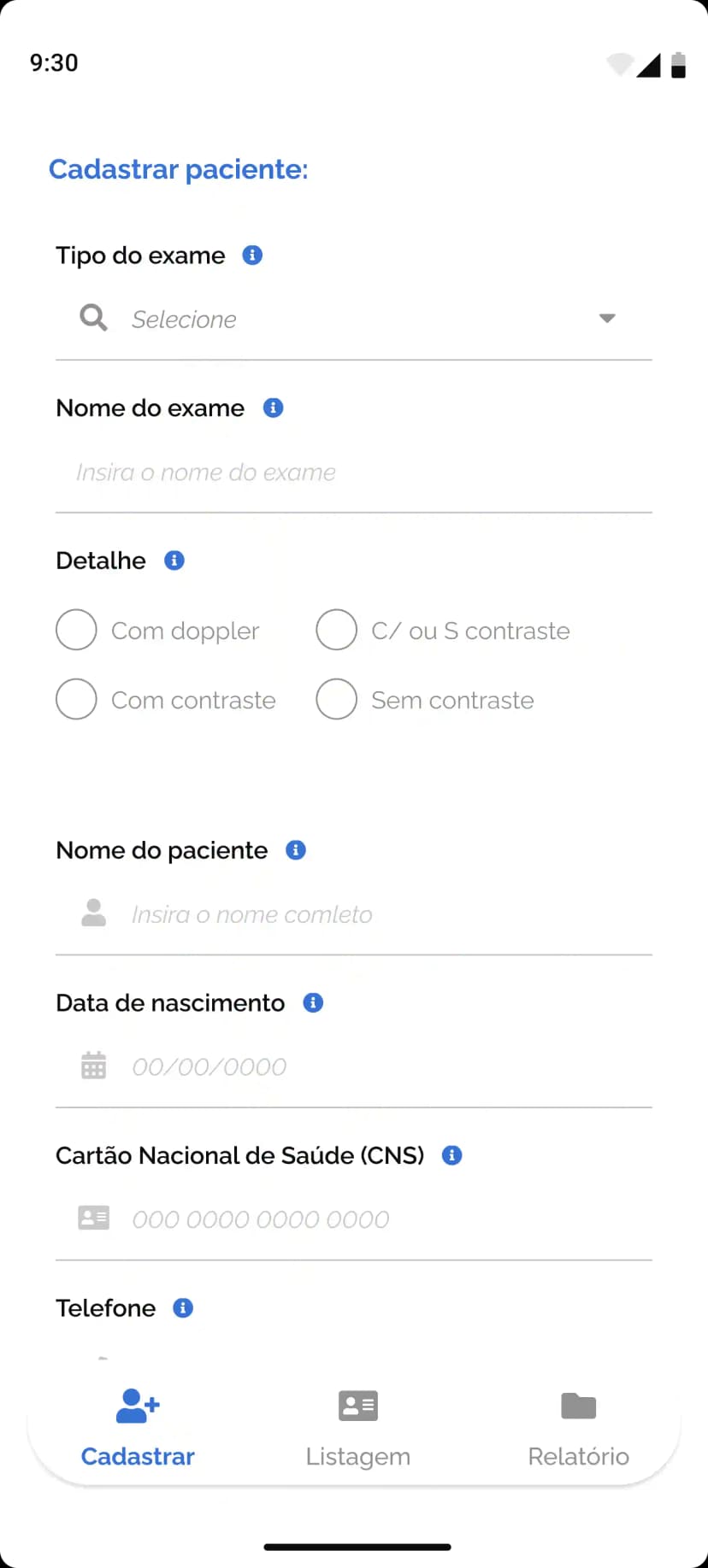
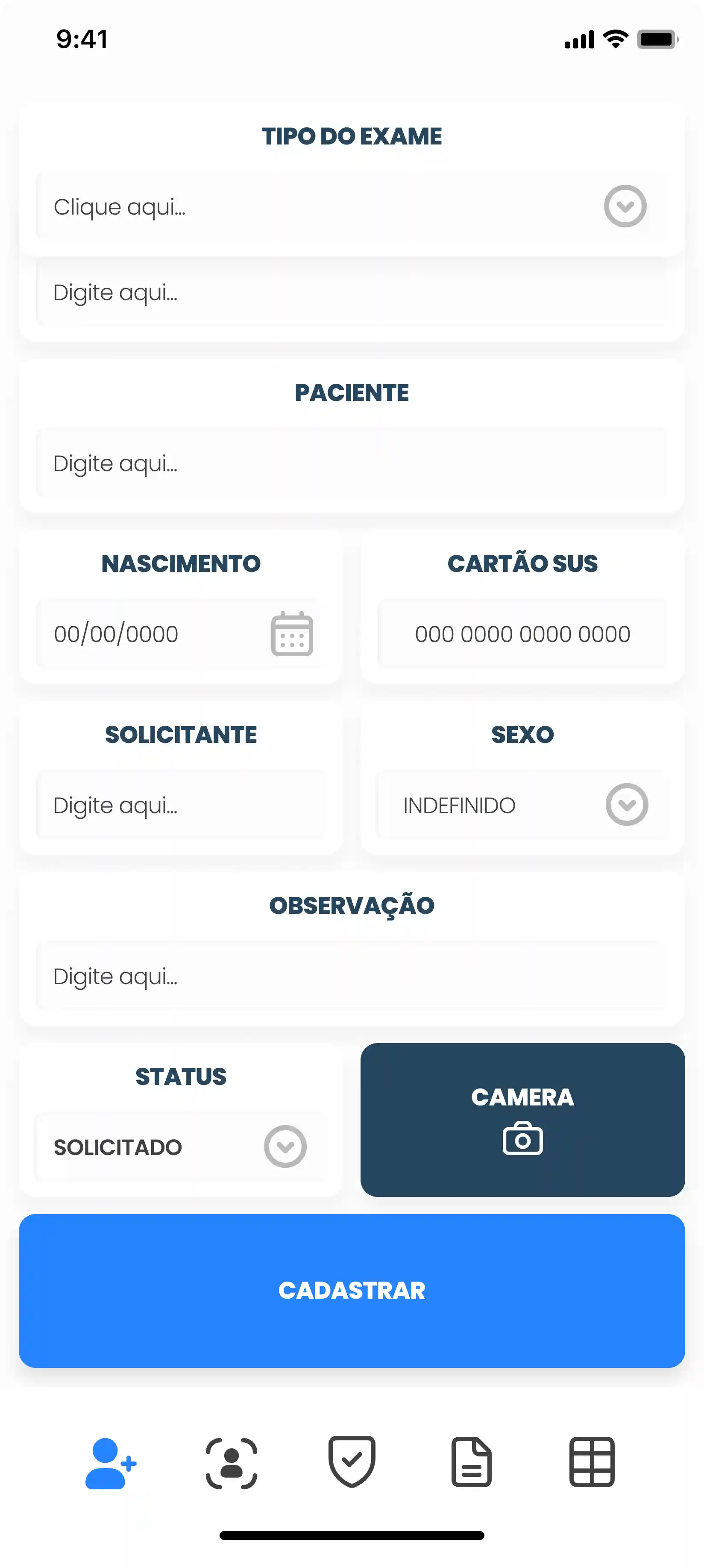
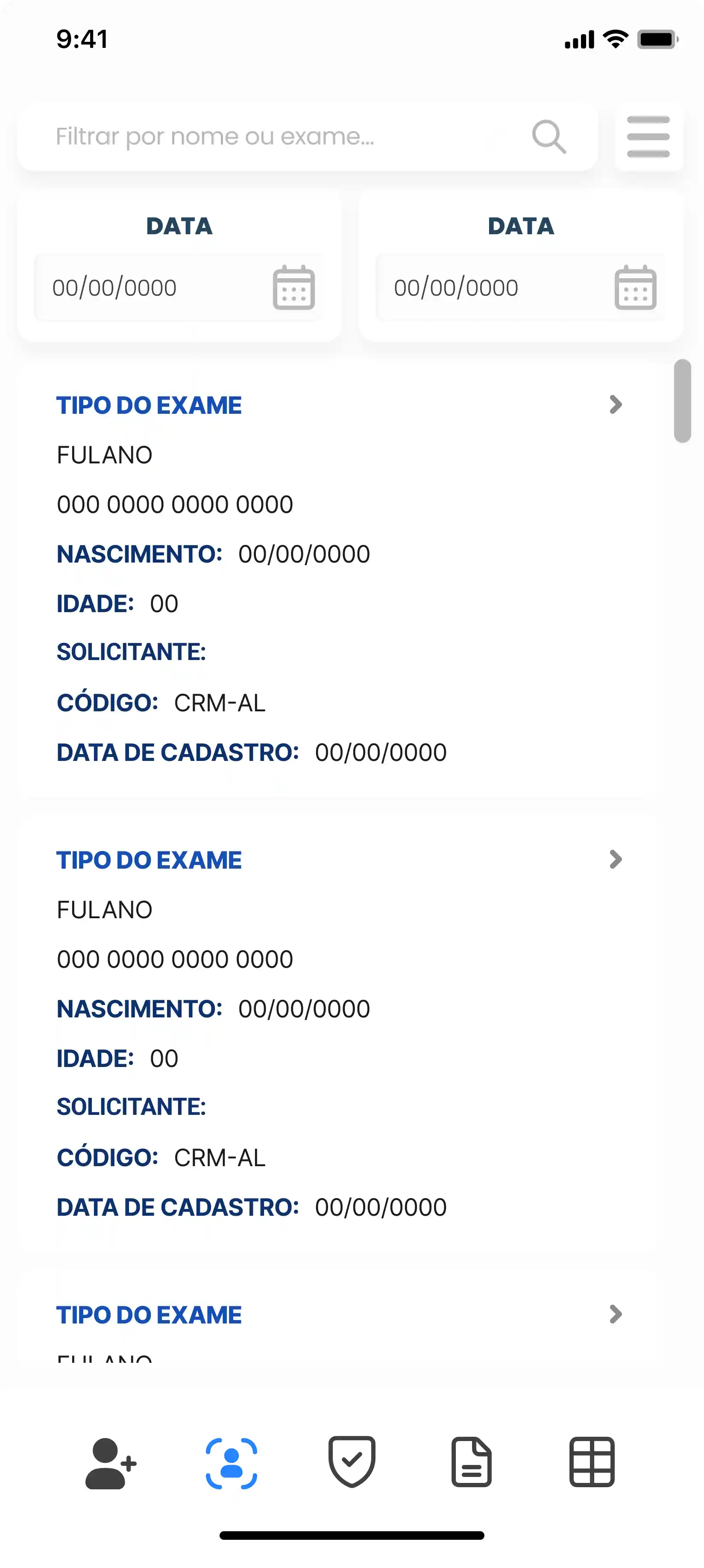
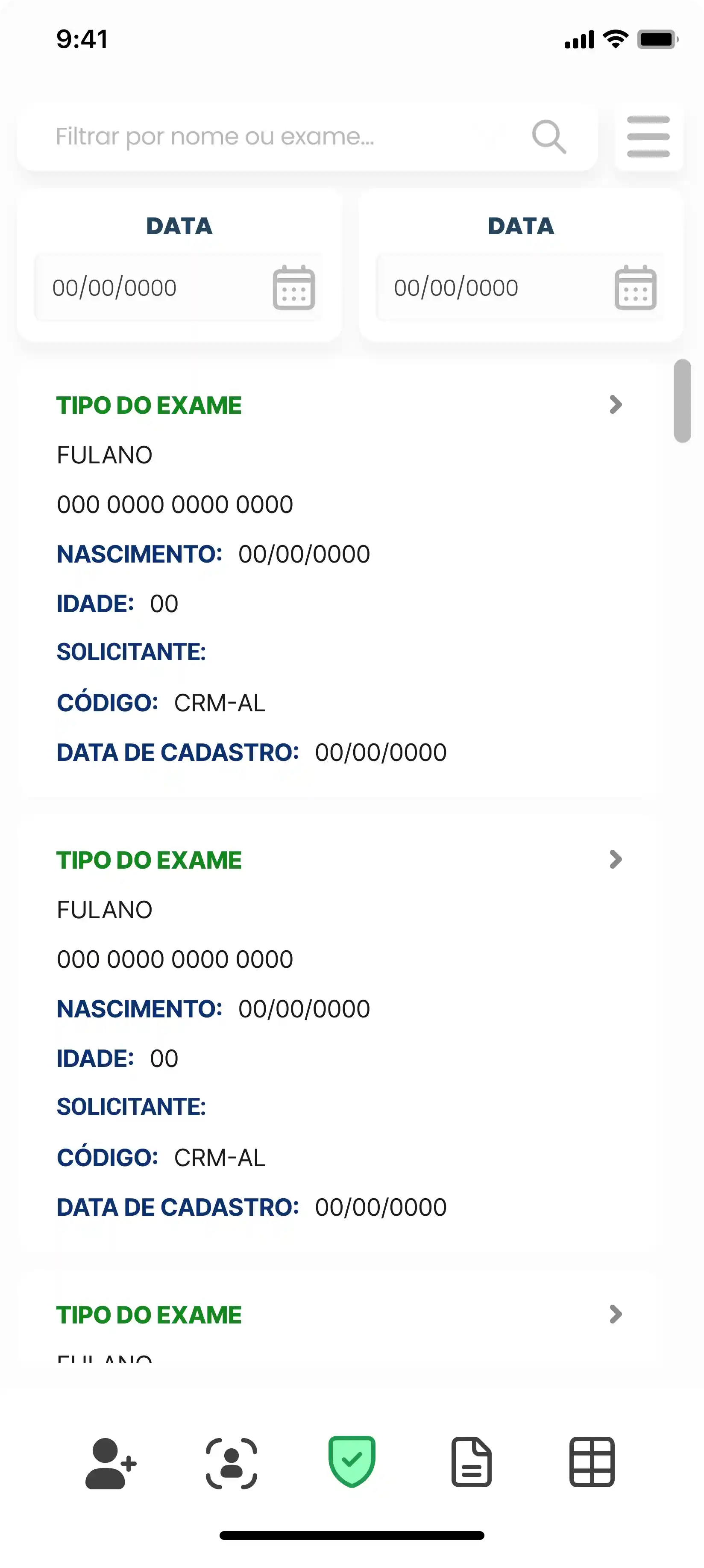
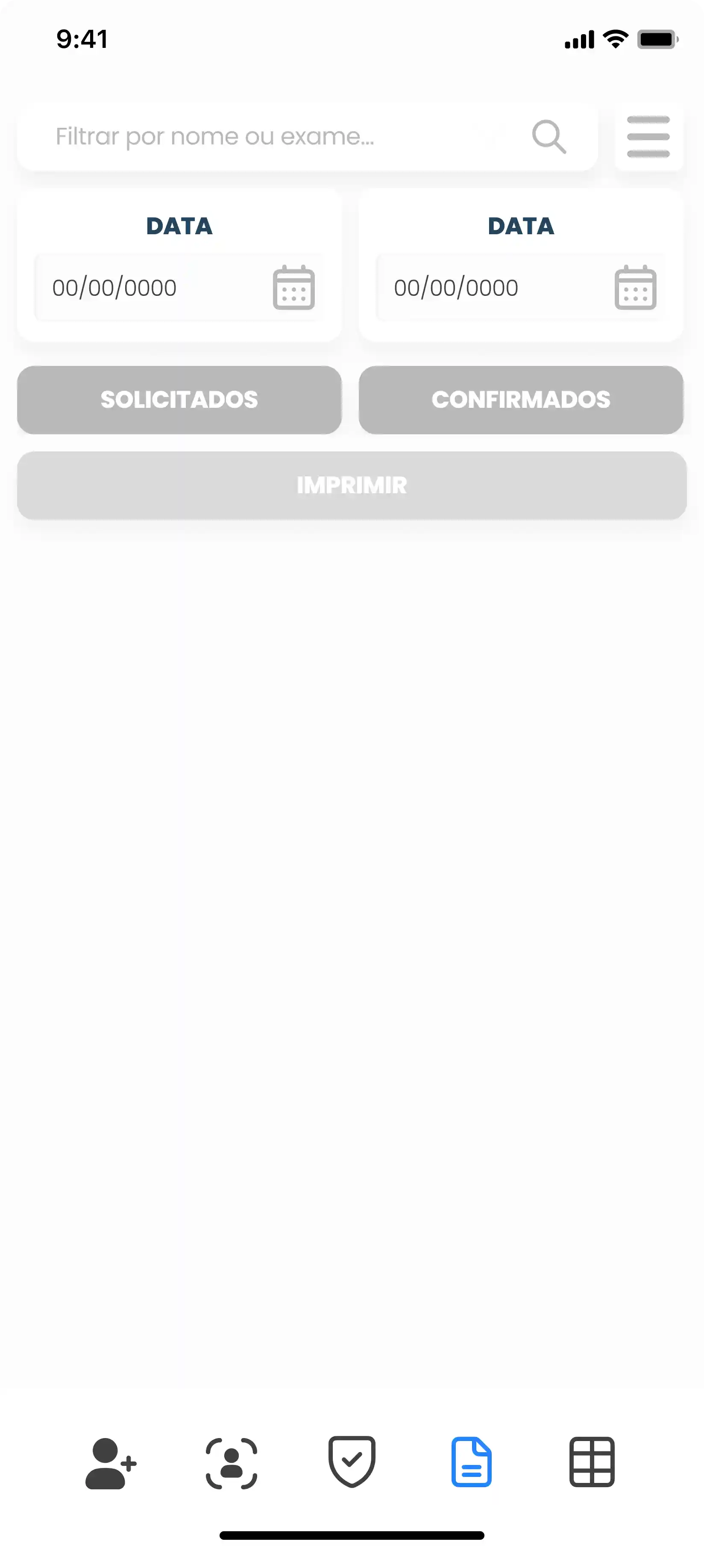
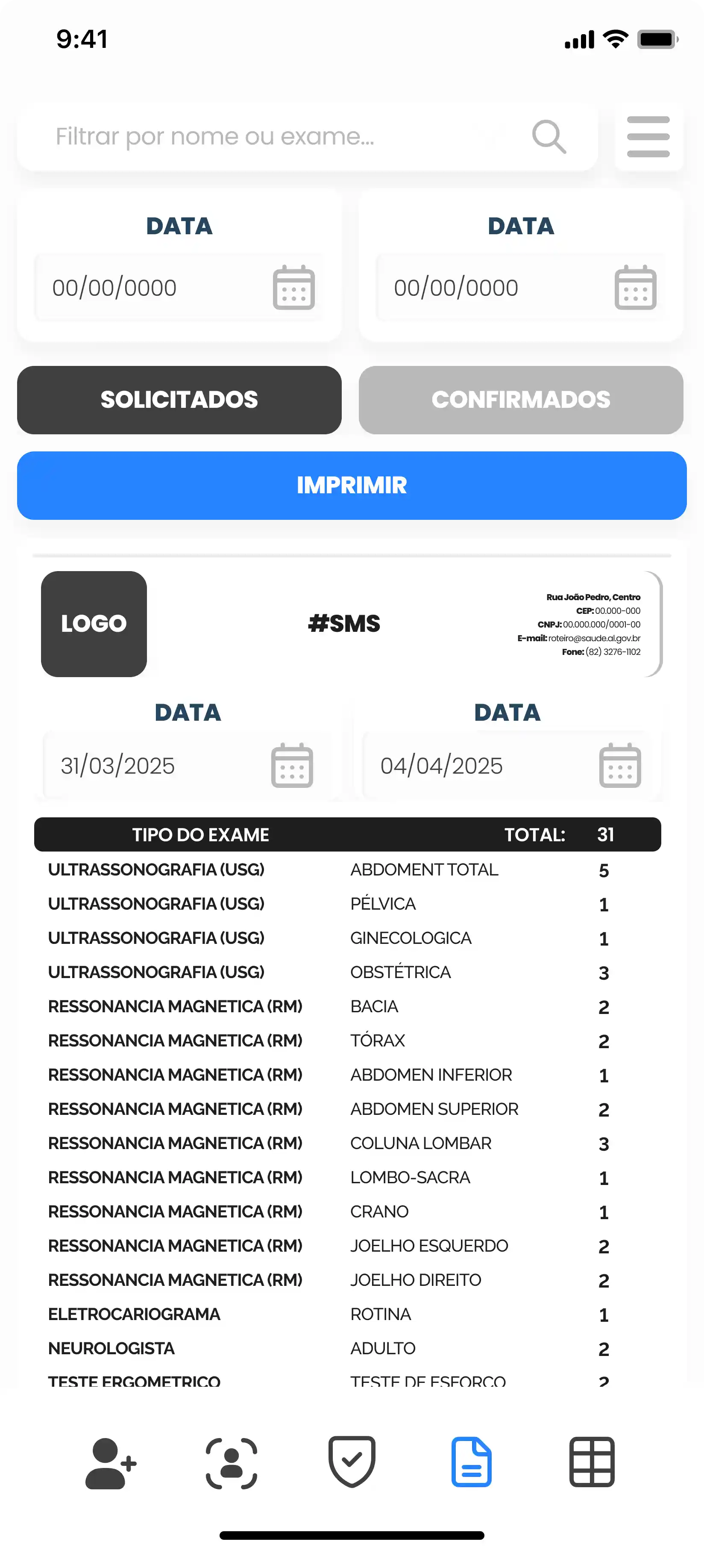
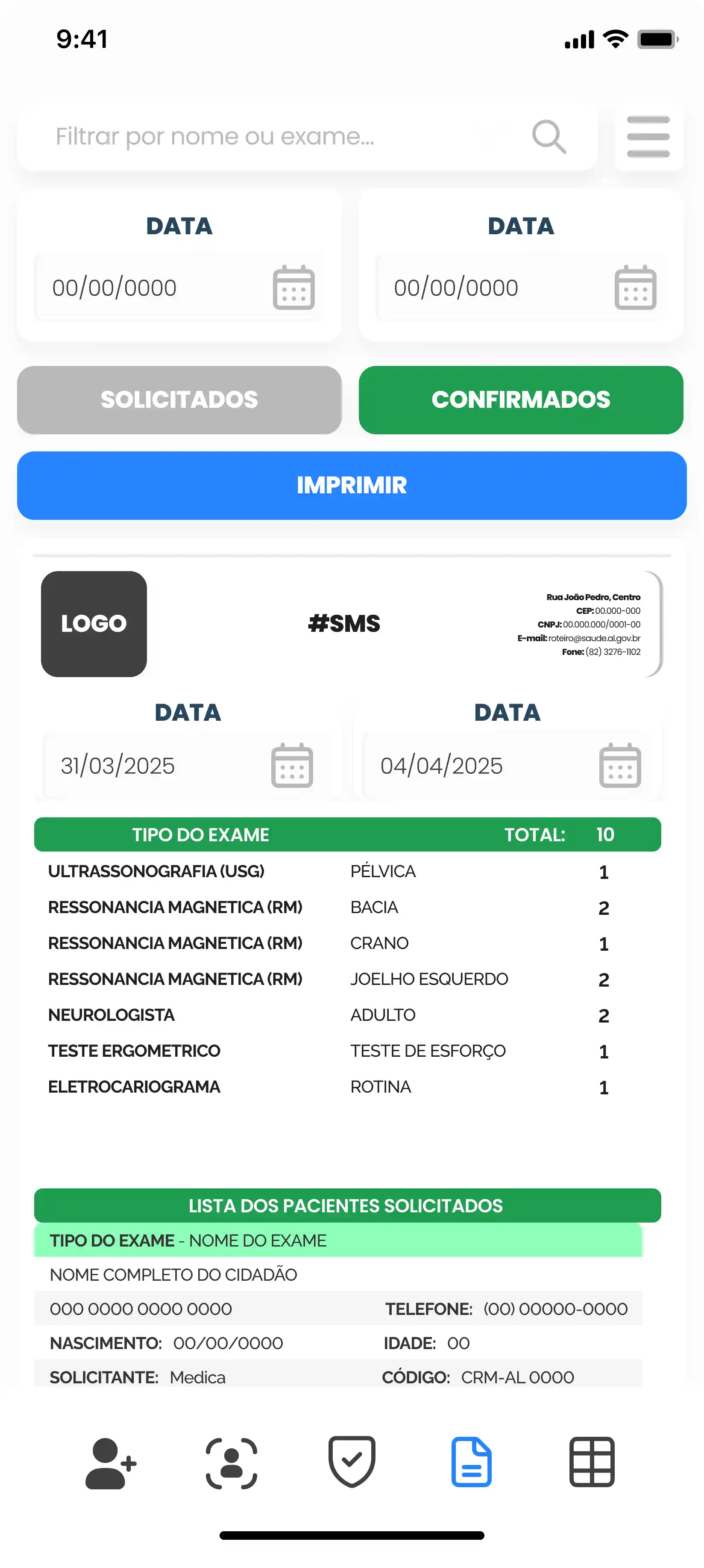
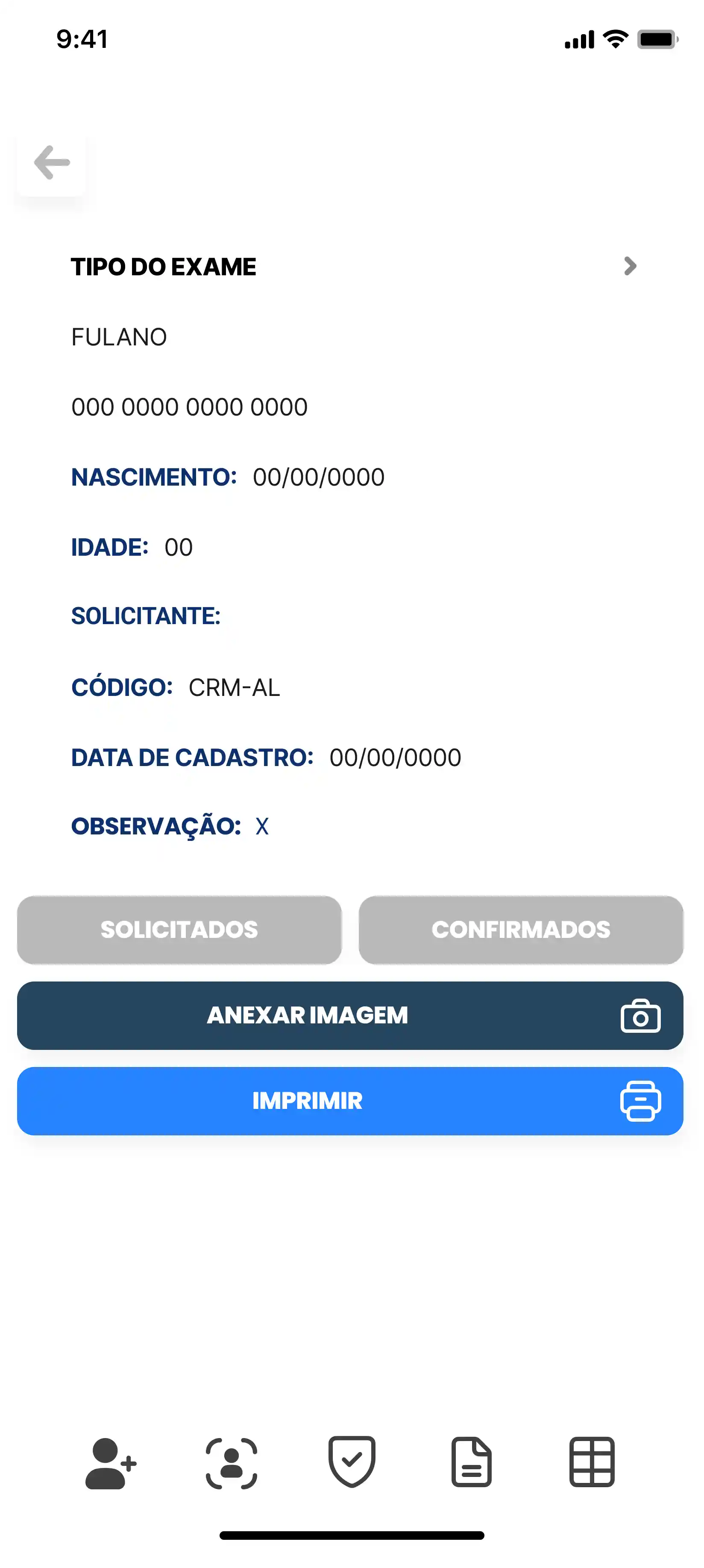
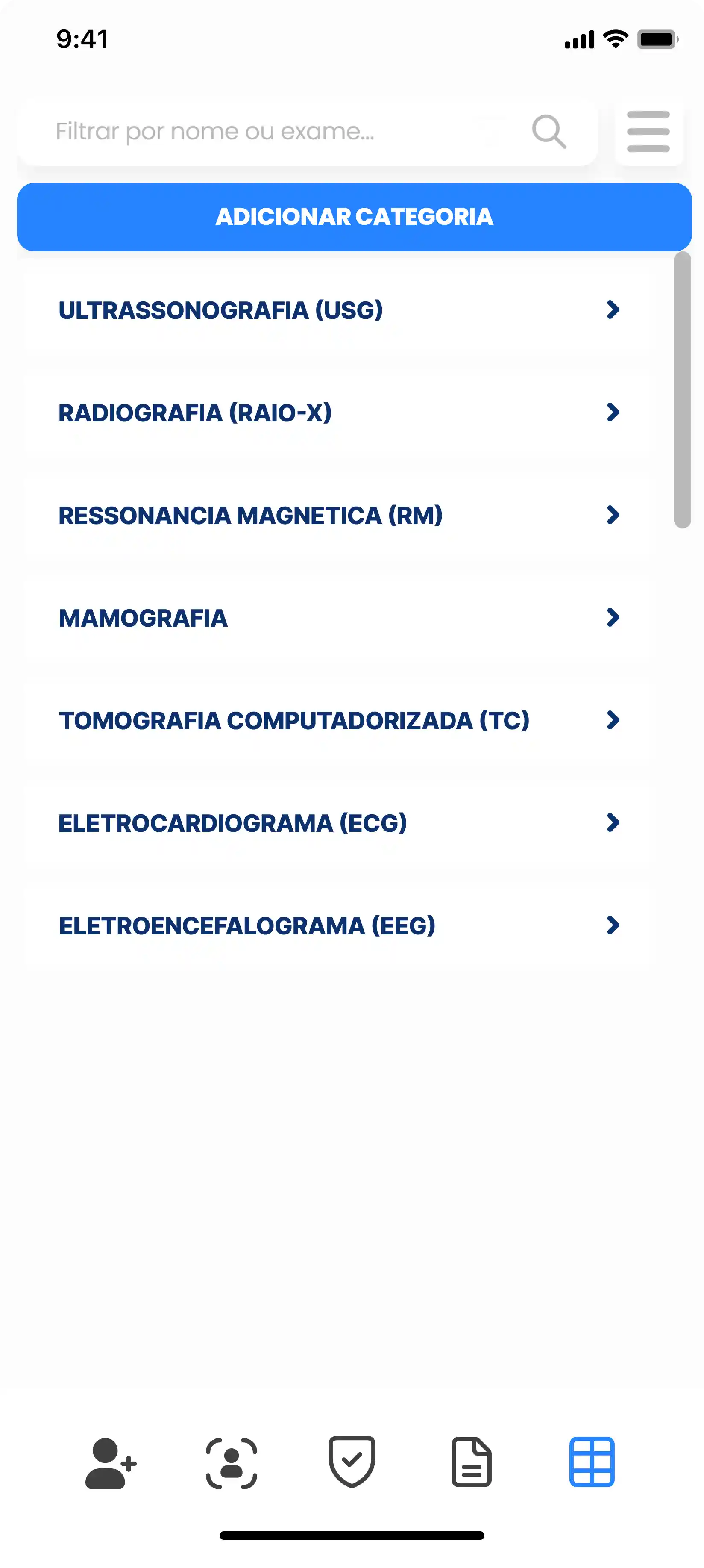
V1 — The Prototype (Cross-Platform SaaS)
Initially, I envisioned a unified ecosystem covering the entire journey, including features for the patient to file exams from home.
- Status: Strategically frozen. The scope was too vast for the immediate political infrastructure, but the features were documented for future implementation.
V2 — Focus on the Department
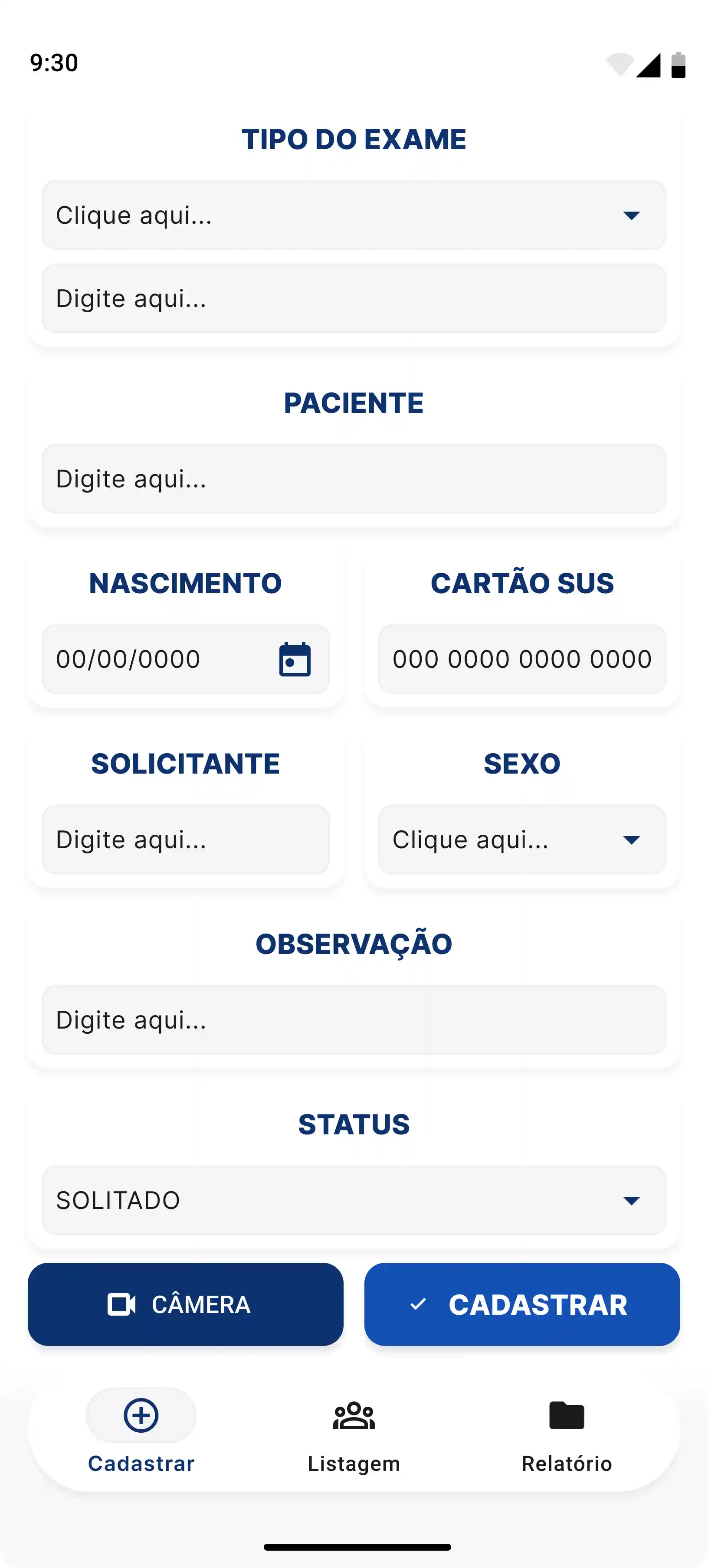
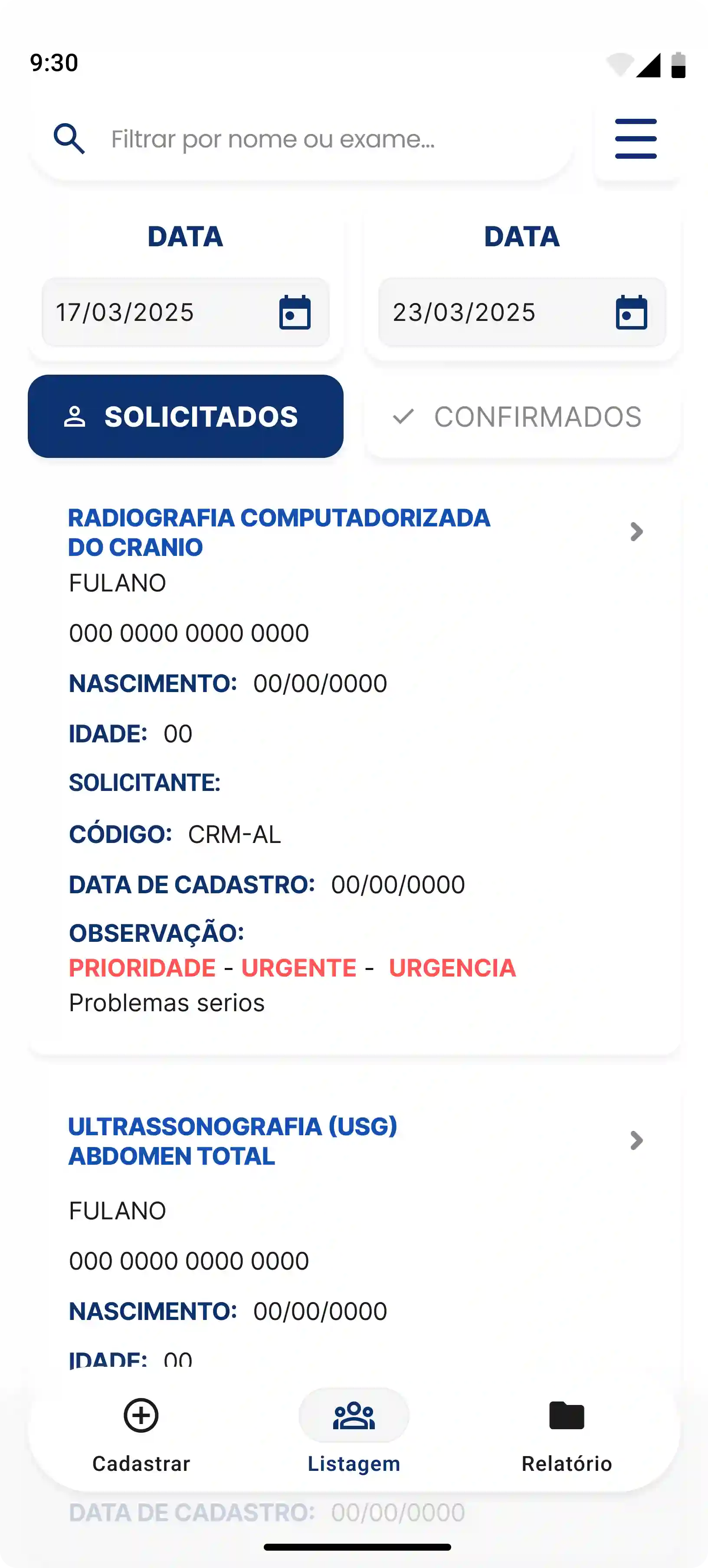
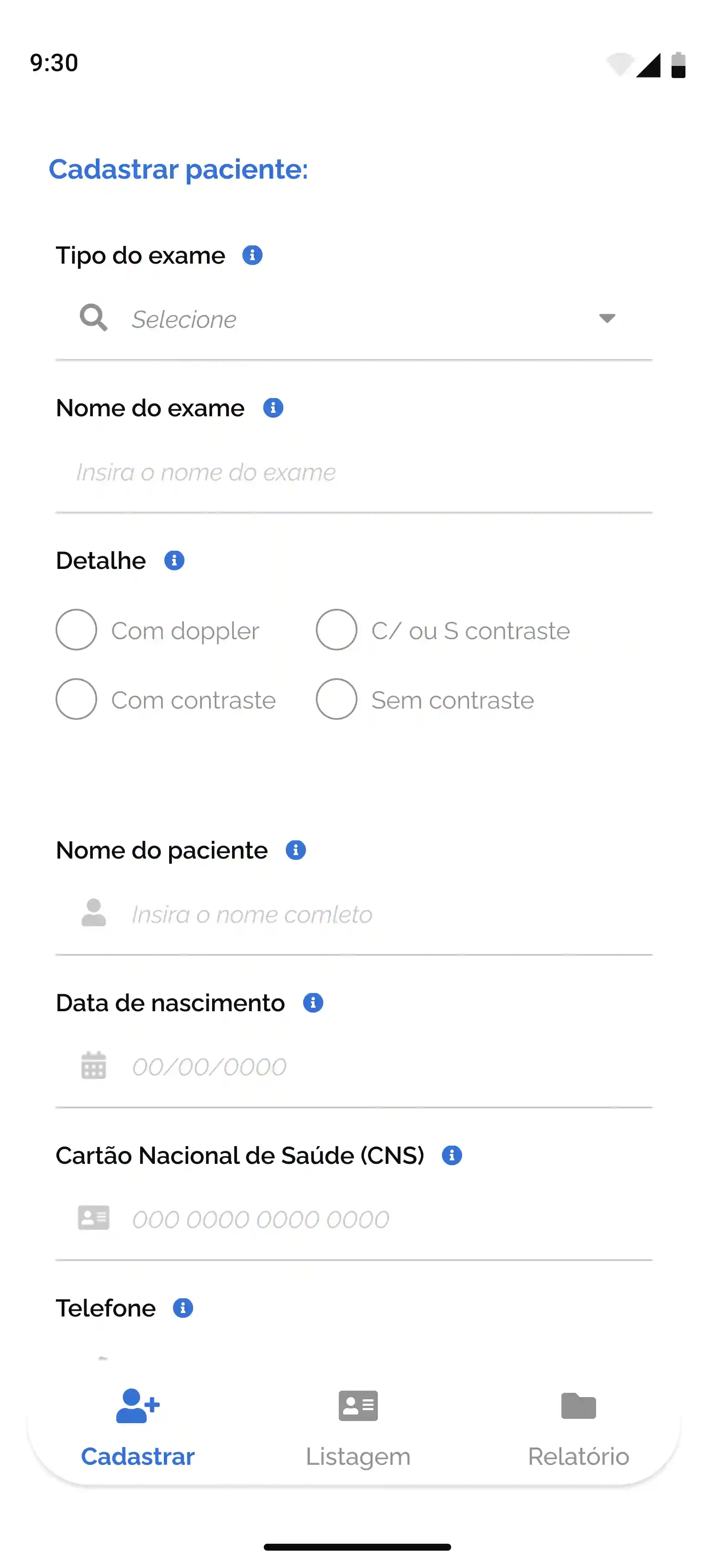
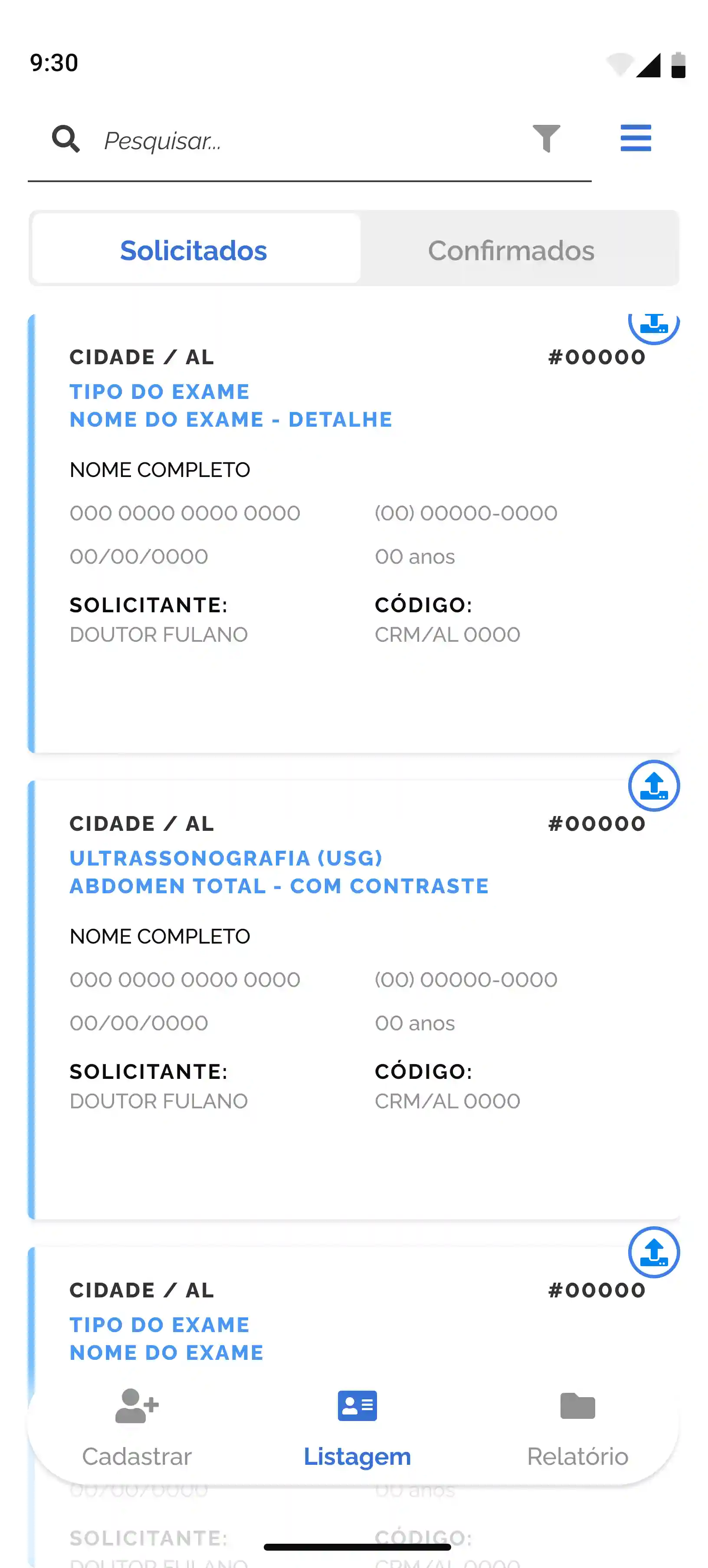
We pivoted to focus exclusively on the Department's pain points. A "Functional Design" version was born, focused on solving the real problem.
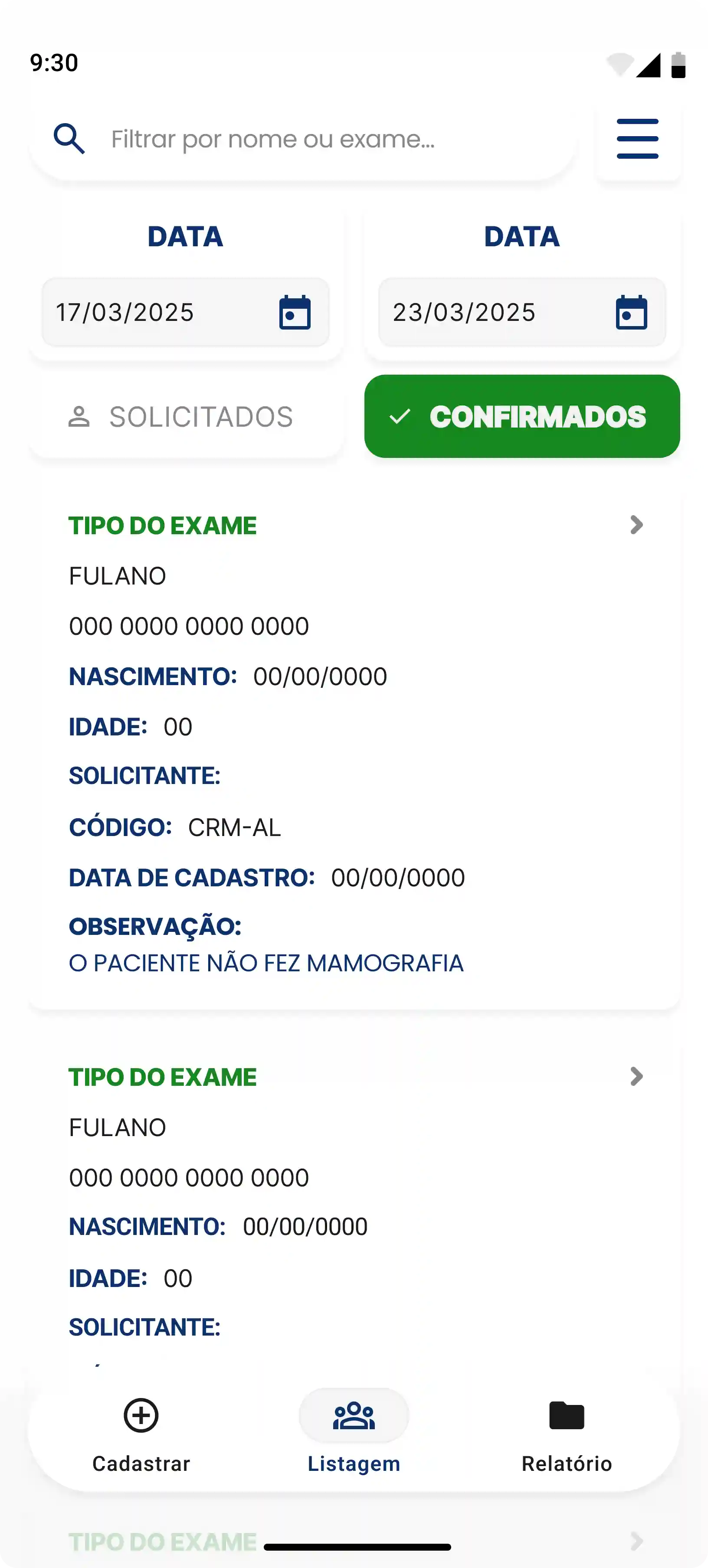
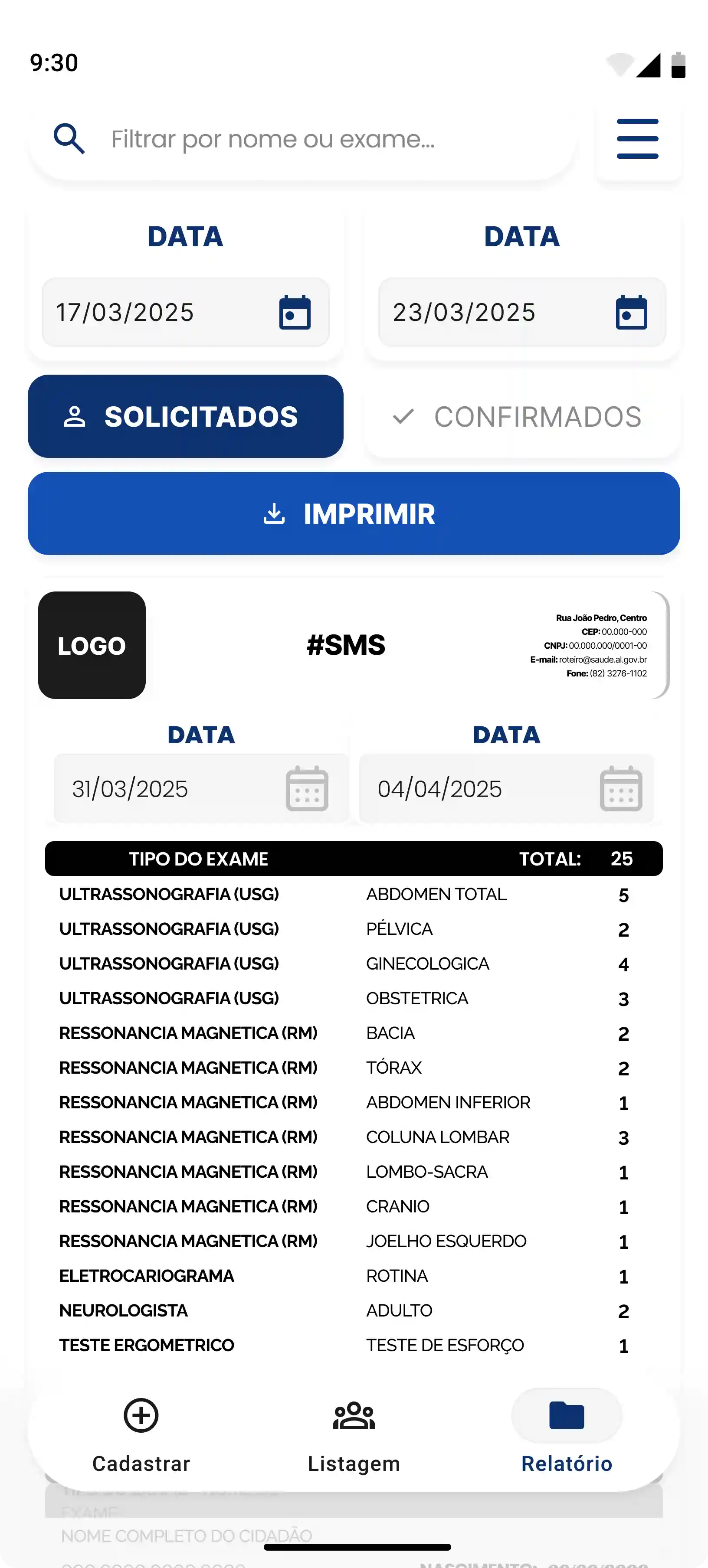
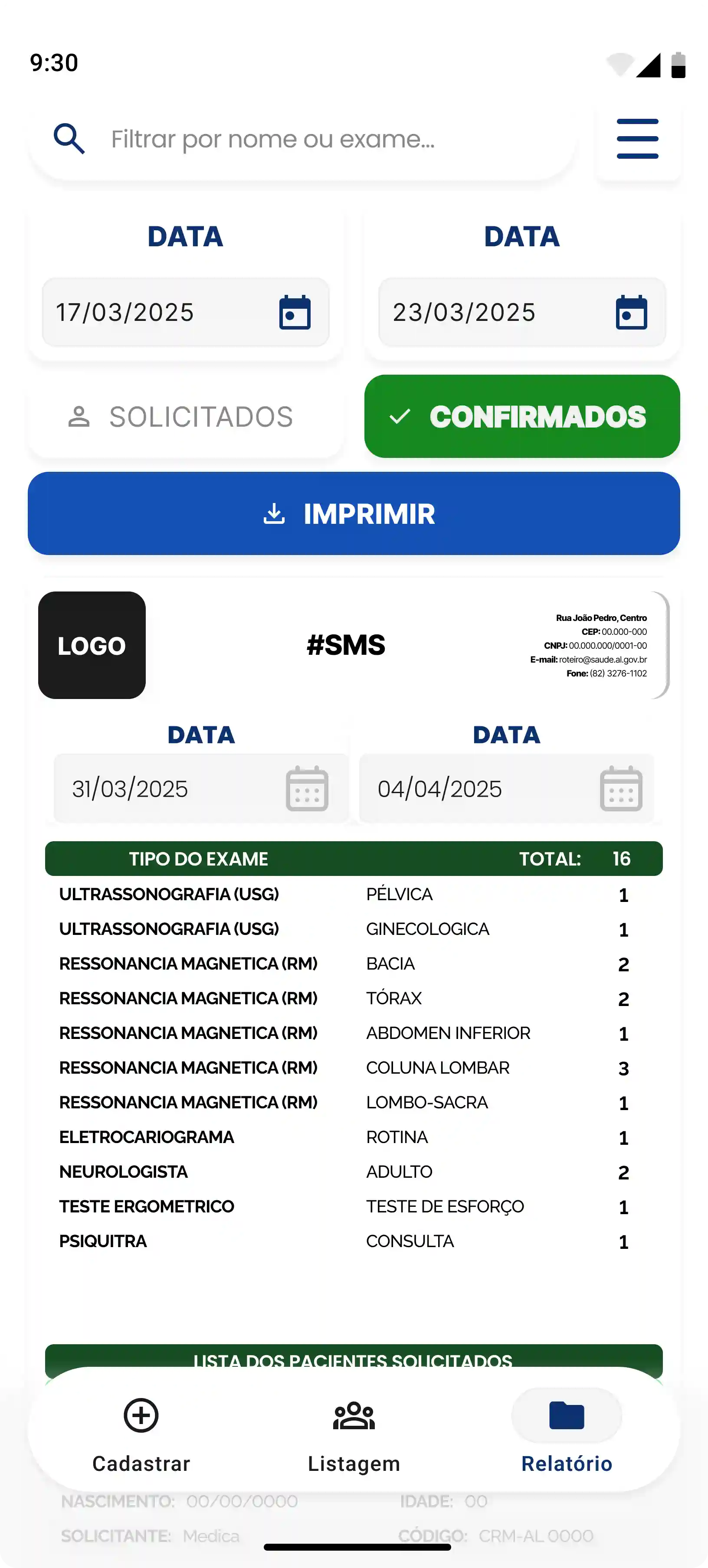
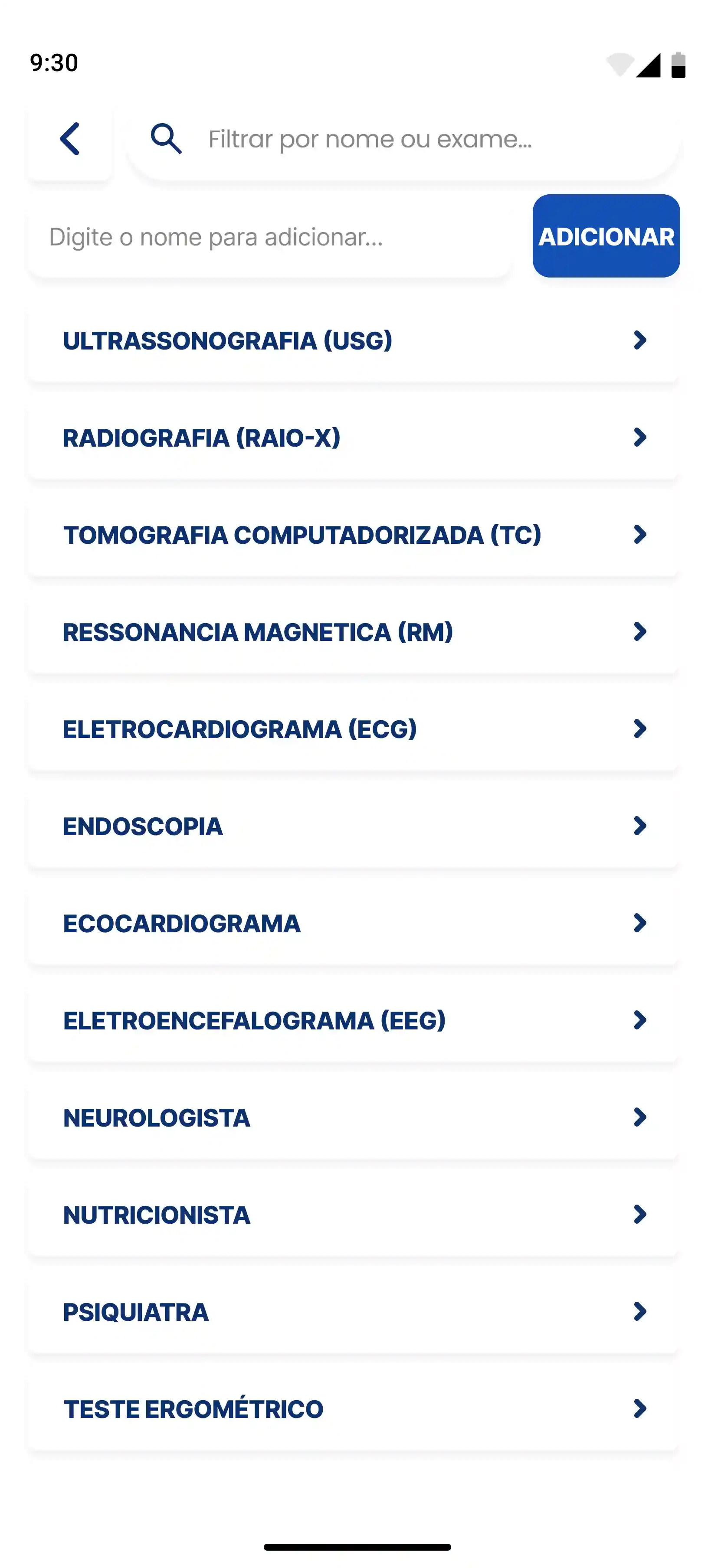
- Proof of Concept (Code): Thanks to the collaboration with a volunteer developer, V2 moved past the Figma stage and became a functional physical mobile prototype.
- Technical Delivery: We implemented a real database, attachment system, and cloud synchronization. This version went into production in field tests and proved that the system's logic worked, but the interface still lacked familiarity for users.

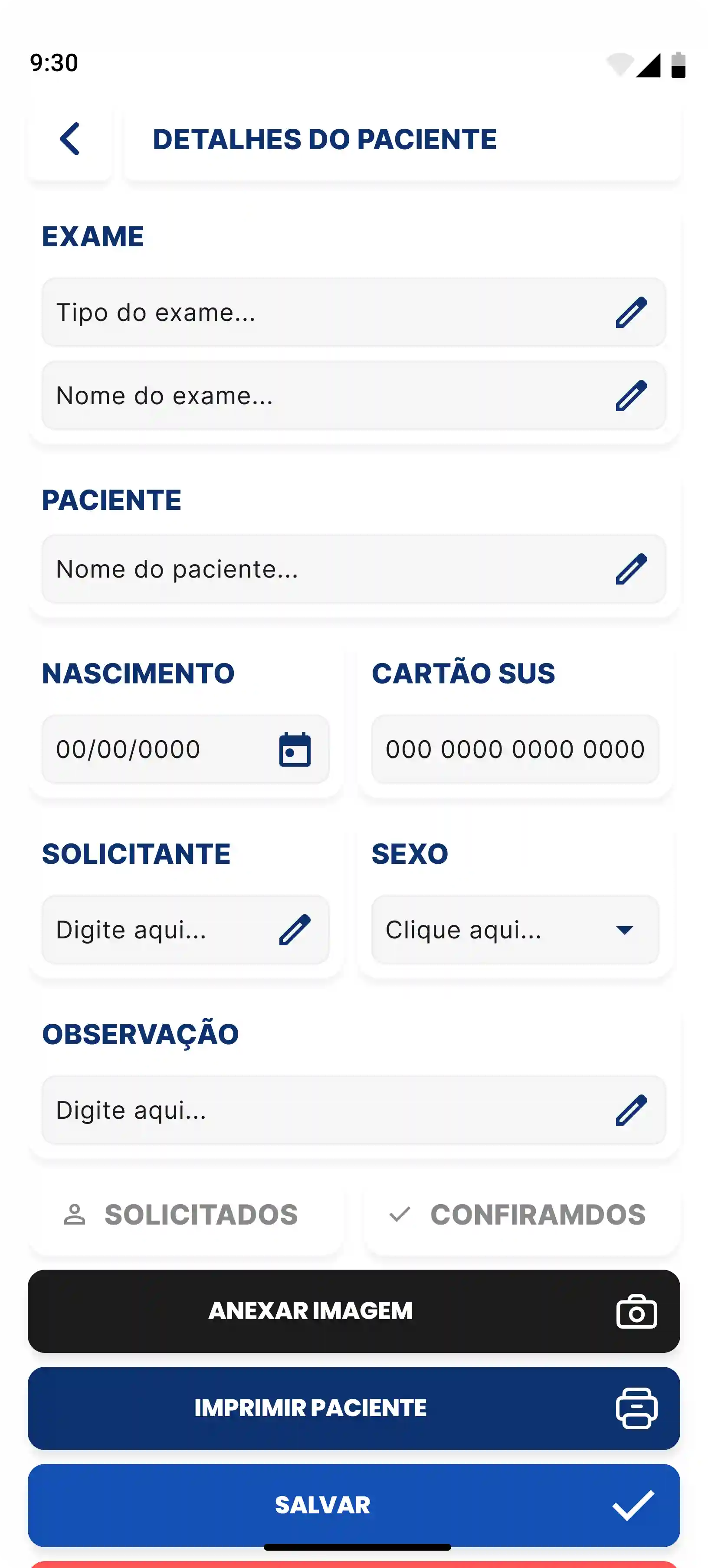
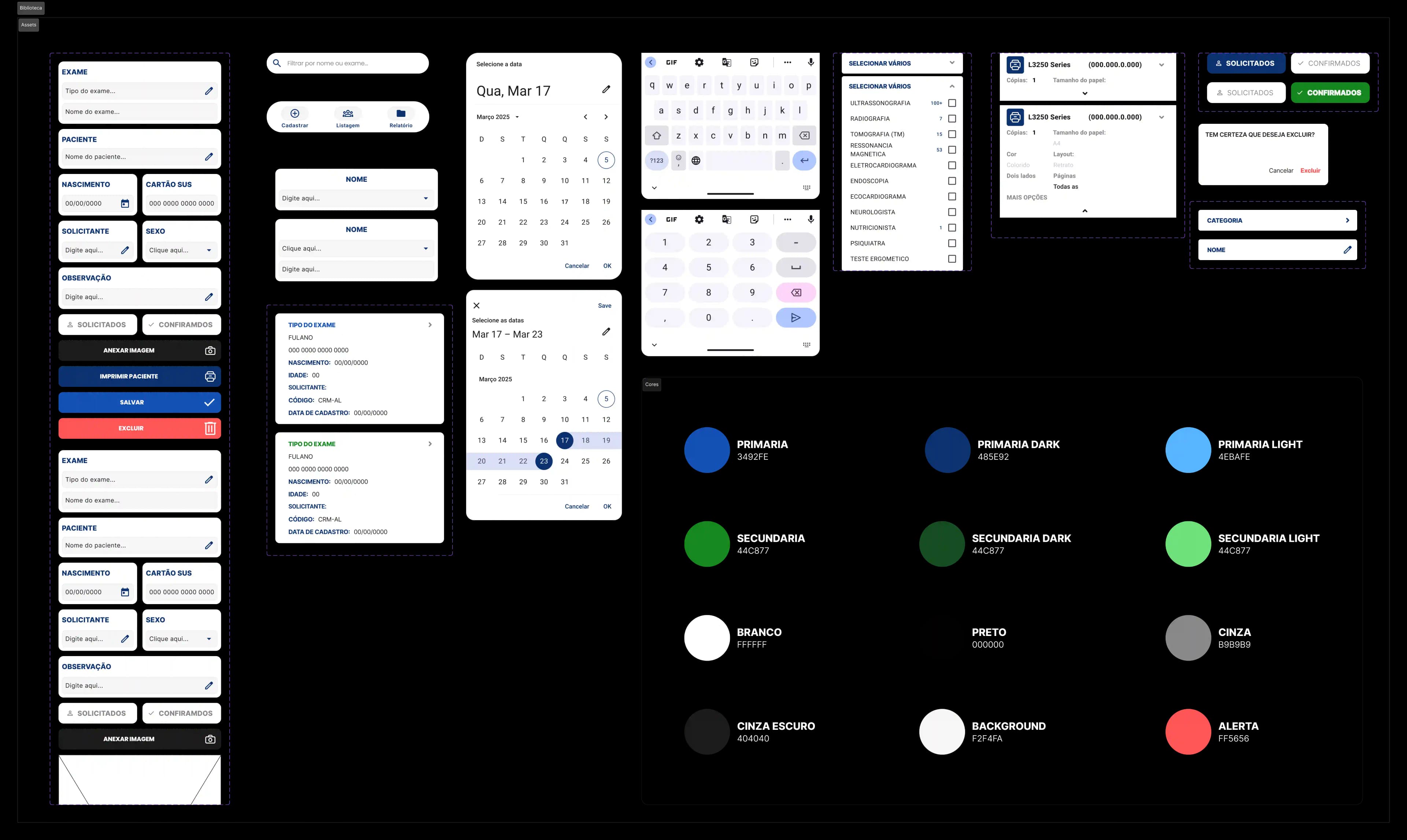
V3 — Redesign with Gov.BR and the Tactical Solution
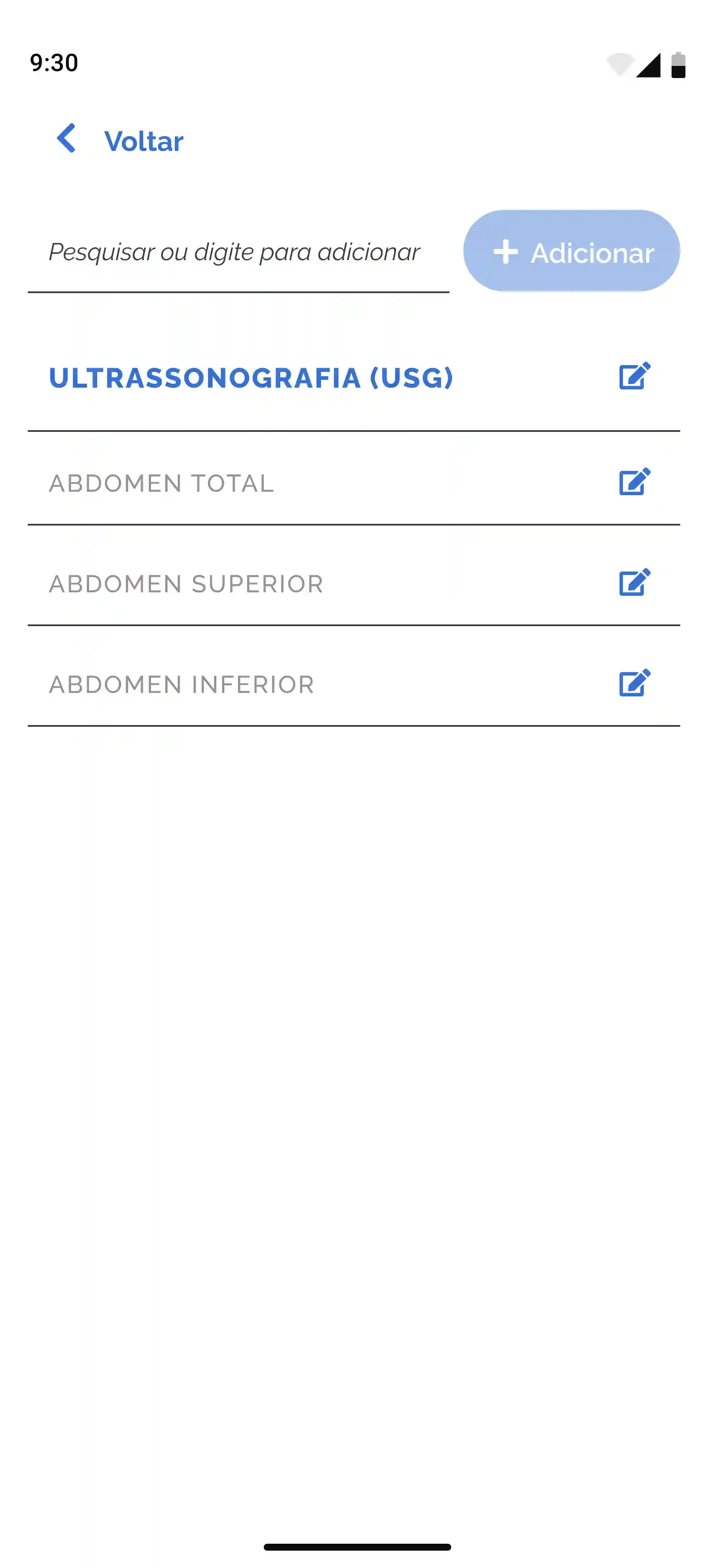
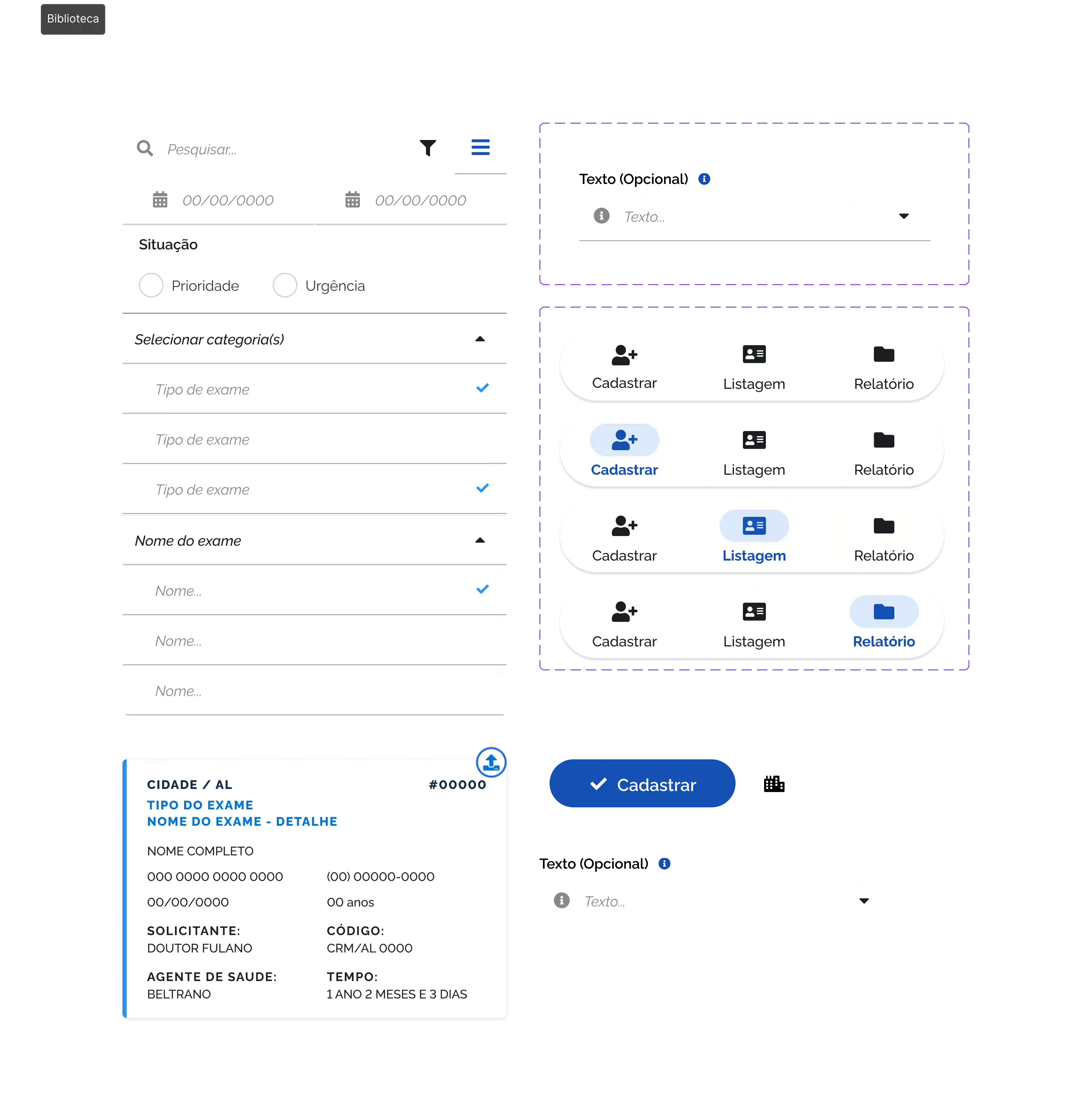
I performed a complete redesign integrating the Gov.BR Design System.
- Strategic Decision: Since the employees already operate SUS systems (CADSUS/SIA), aligning Regula.Já with this visual standard reduced the learning curve.
- Validation: Like V2, this version also featured a functional physical prototype developed by the partner, receiving unanimous praise in tests.

The Necessary Pivot: The Tactical Solution (Google Sheets)
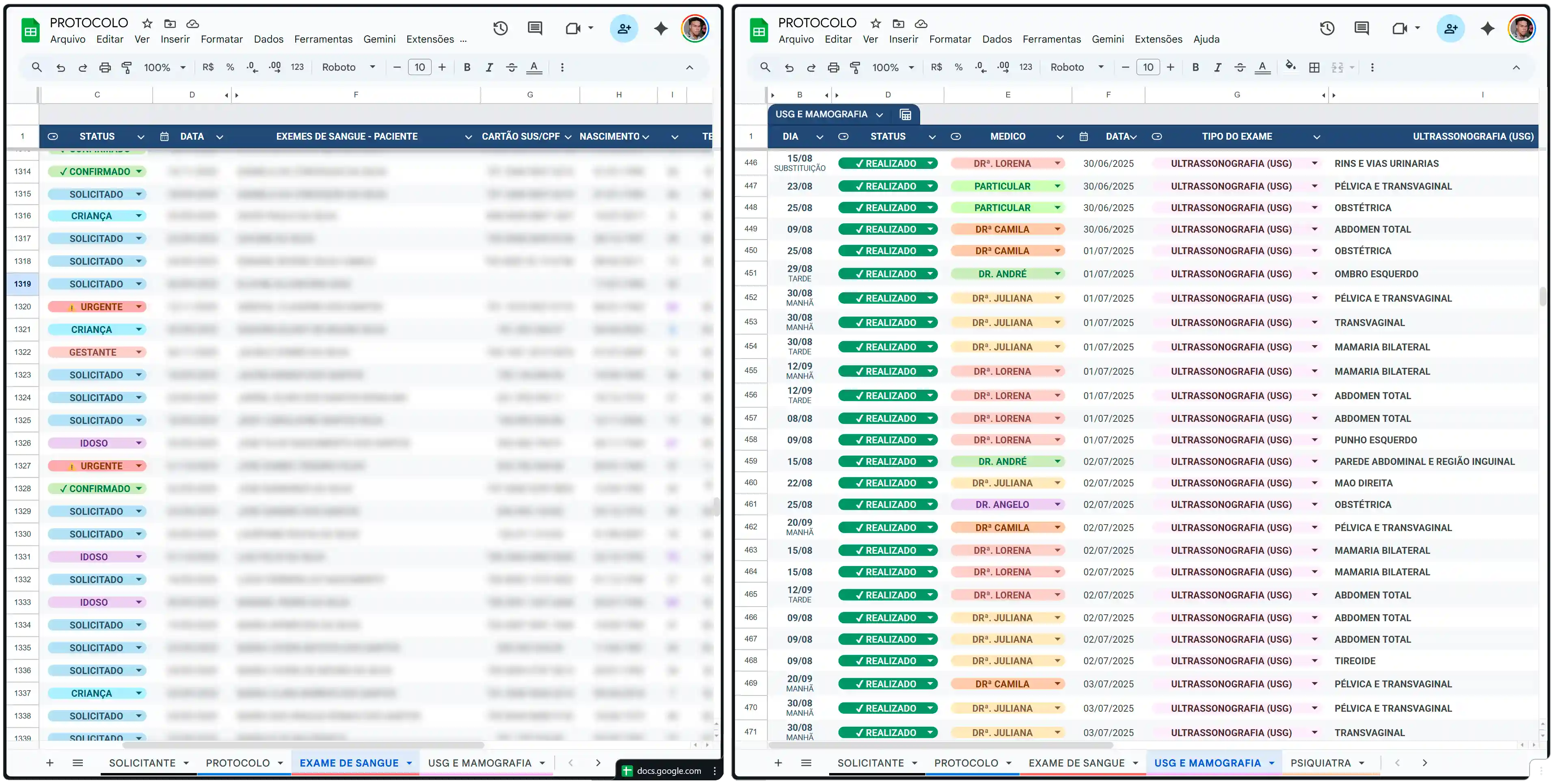
Despite the success of the V2/V3 prototypes, upon researching, I discovered we would face Compliance and Public Procurement hurdles: the City Hall would require a formal company contract, and lacking a budget for official development, I needed to create an immediate intermediate solution.
- The Strategic Decision: To avoid stalling the department while wasting time with bureaucracy and bidding (which could take years), I migrated the logic to Google Sheets. It was an "allowed", stable tool that I could control.
- The LGPD Problem: While not the ideal security solution, I restricted spreadsheet access to only two accounts (myself and the key employee), centralizing data previously scattered across Excel and WhatsApp.
- The Operational Problem: I convinced the state management to accept data in column format (Spreadsheet) instead of visual cards. This solved data organization and counting, but image processing (exam photos) and PDF creation remained manual (Word), consuming hours of the team's time.
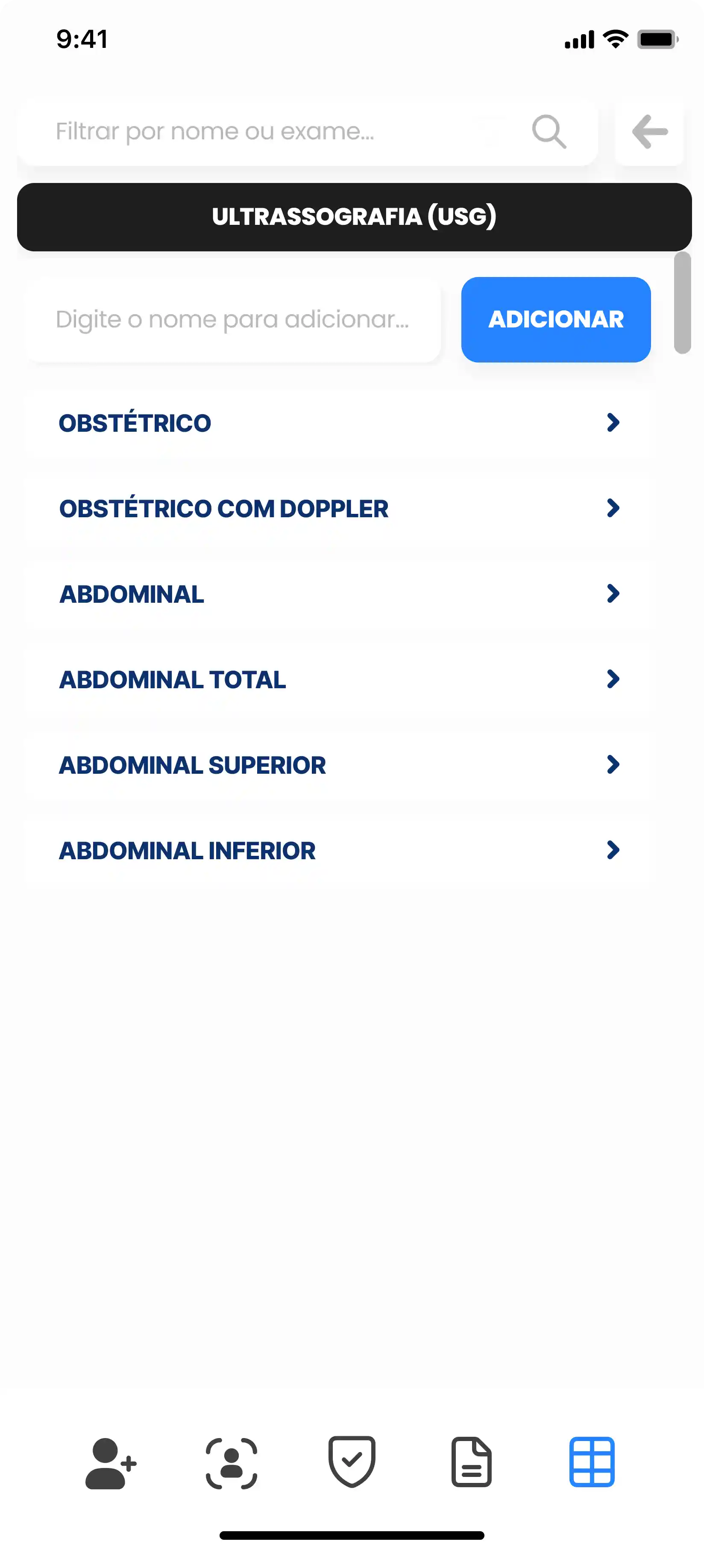
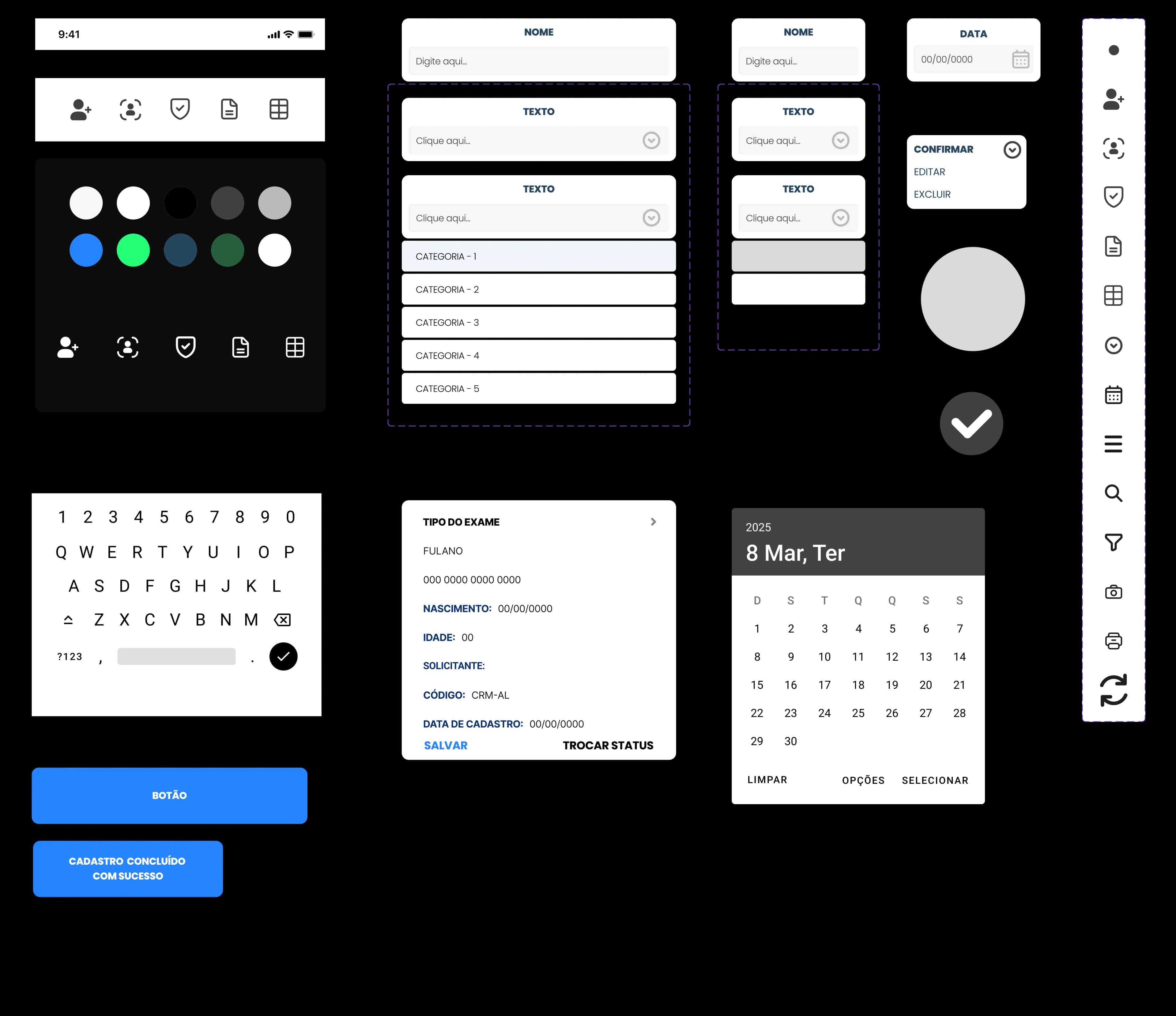
V4 — Visual Refinement and Gov.BR Compliance
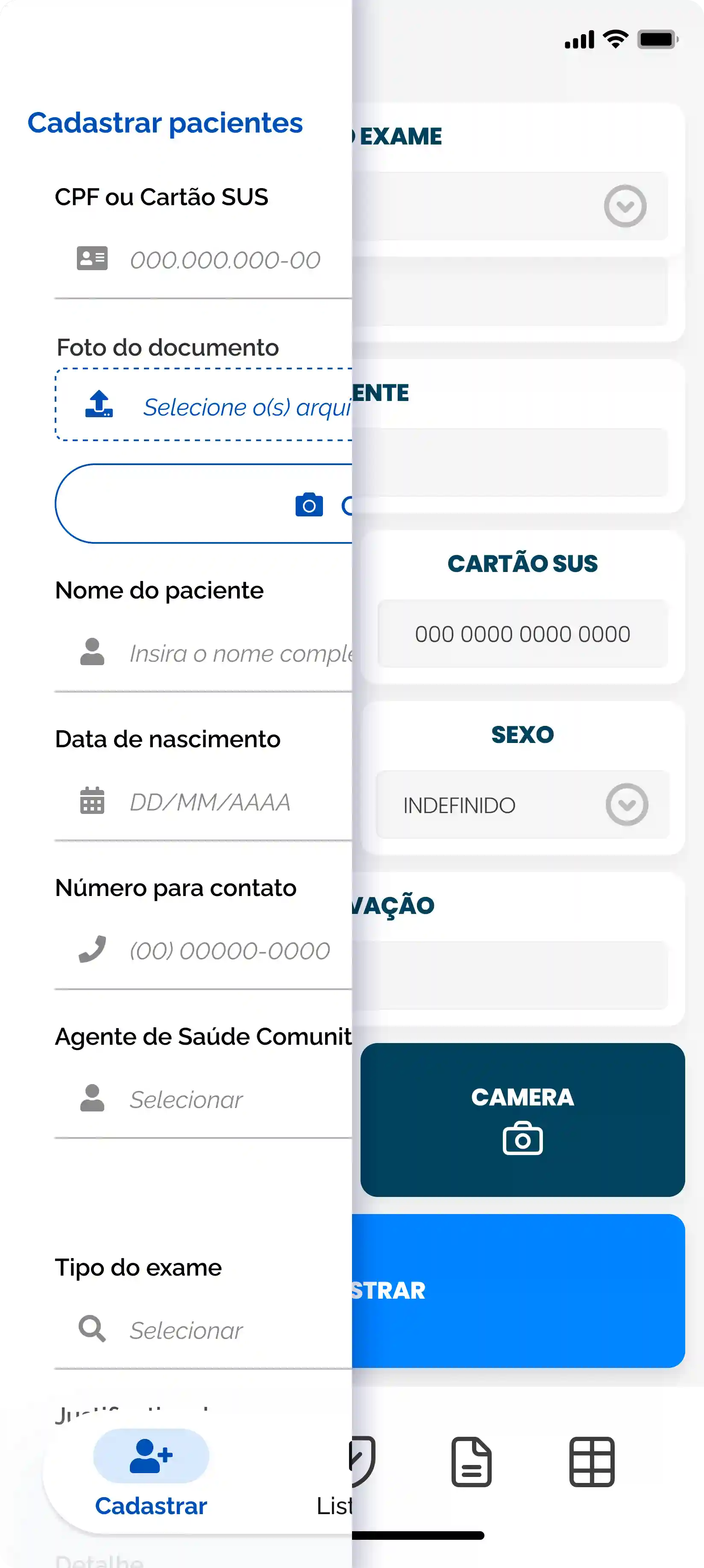
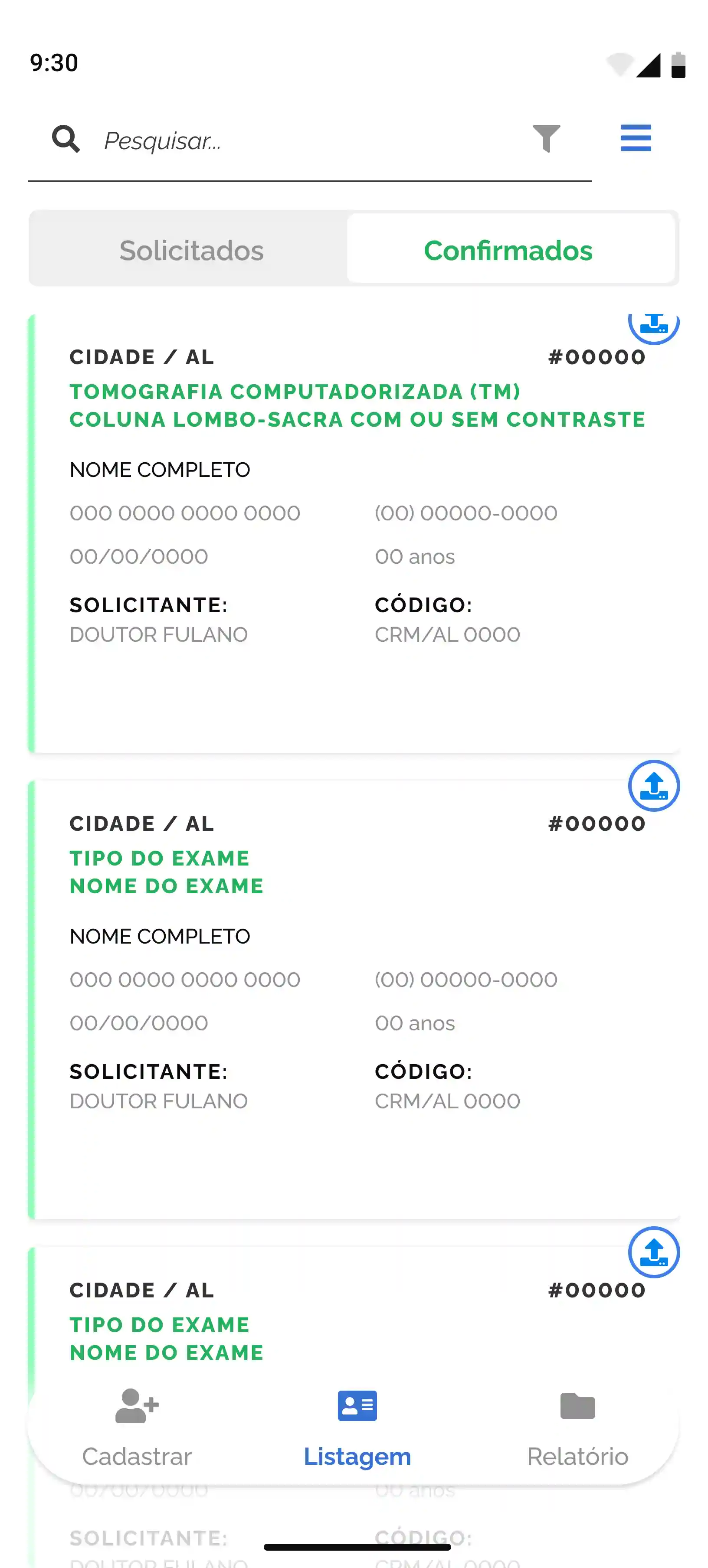
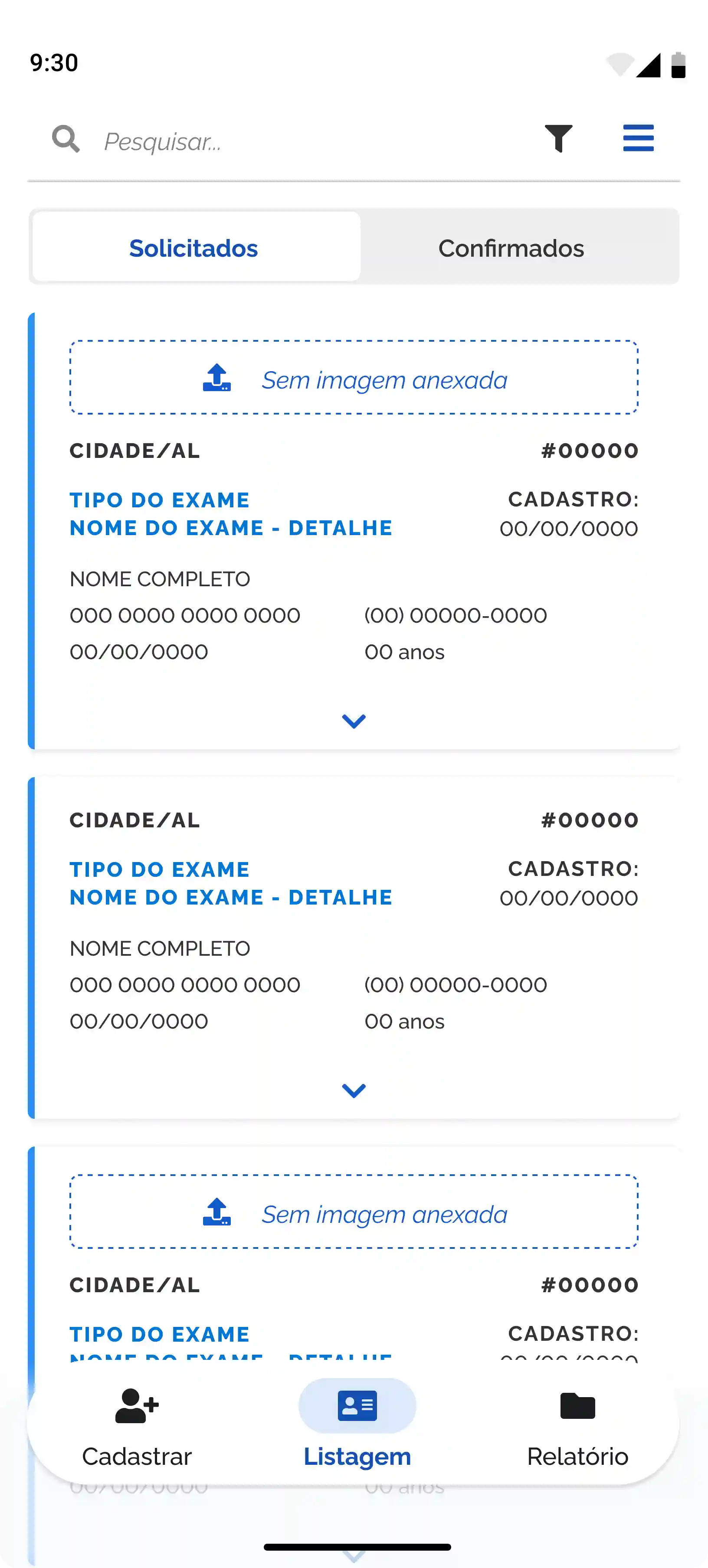
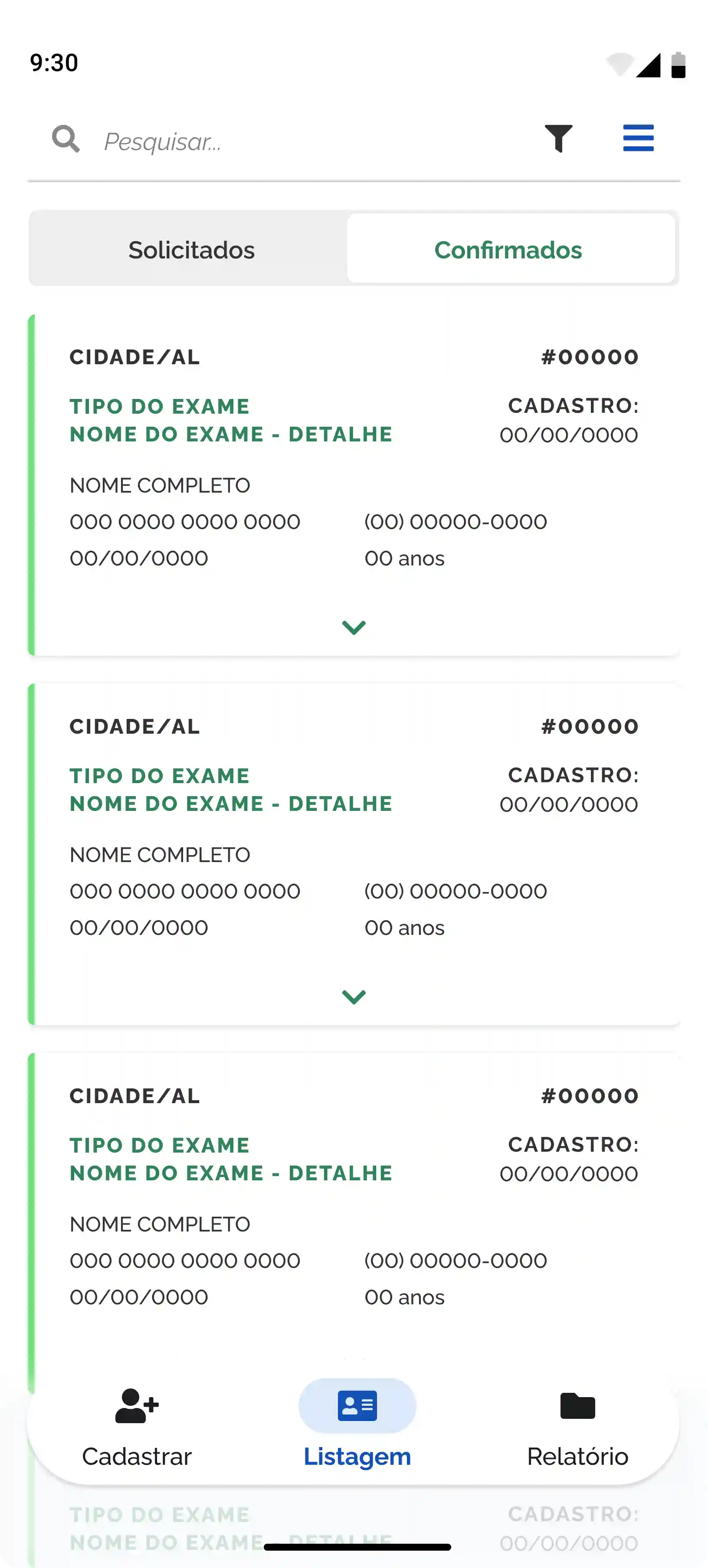
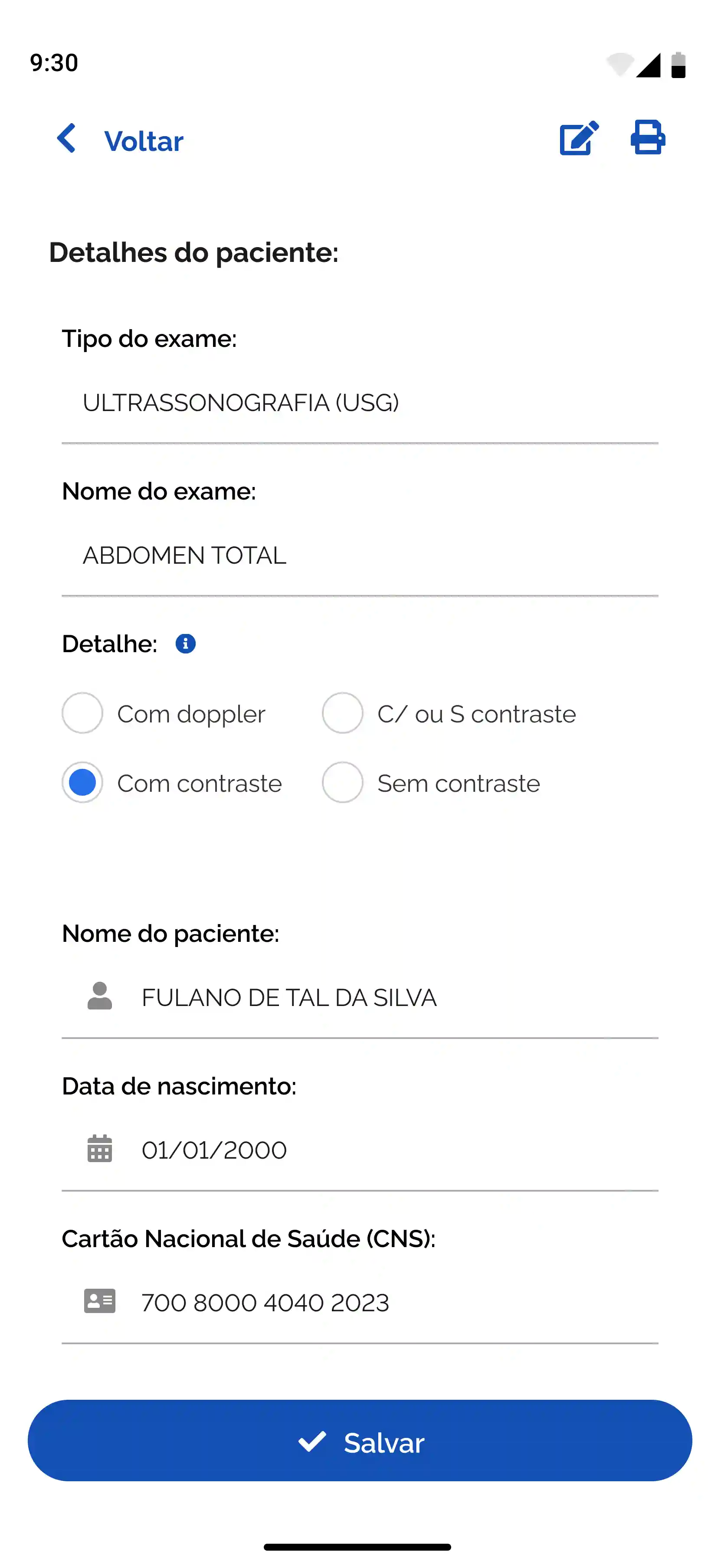
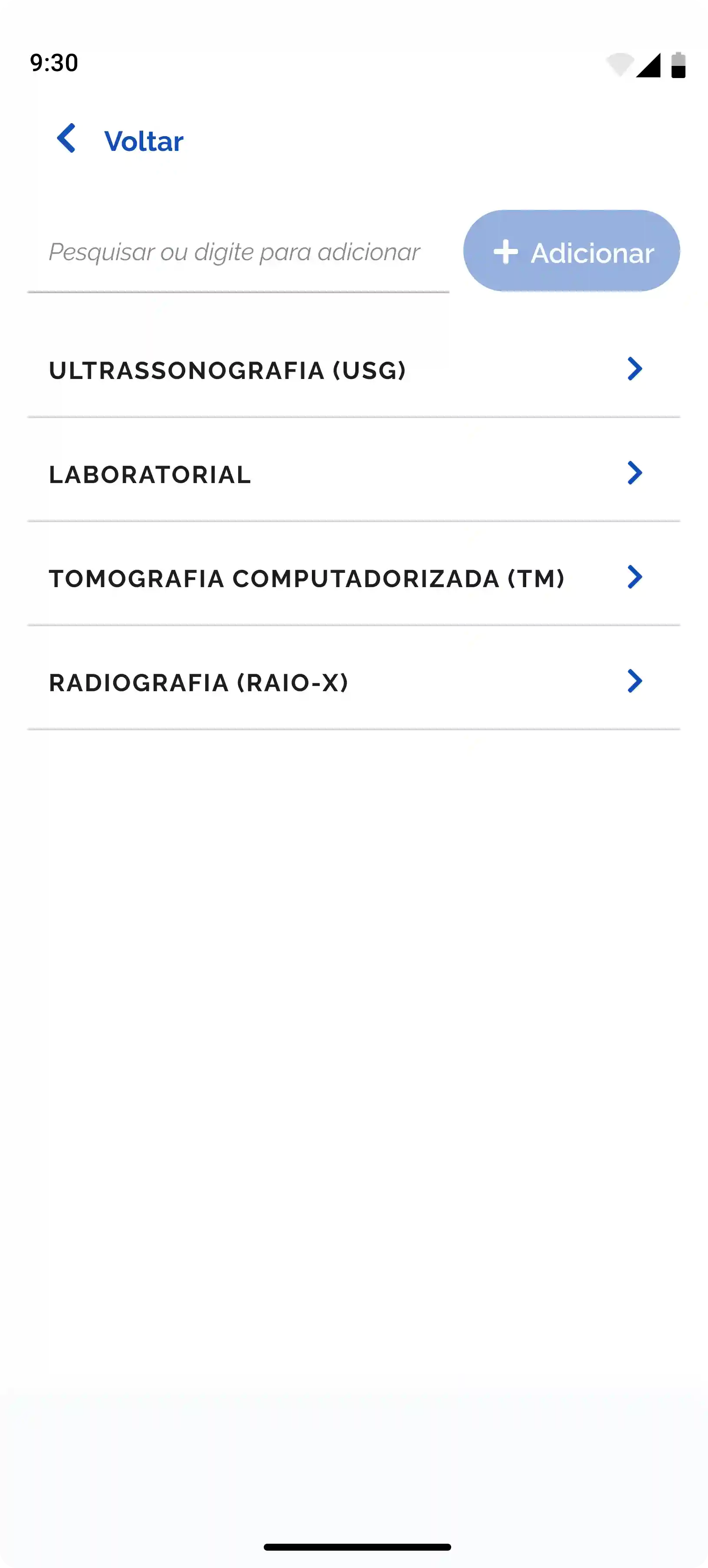
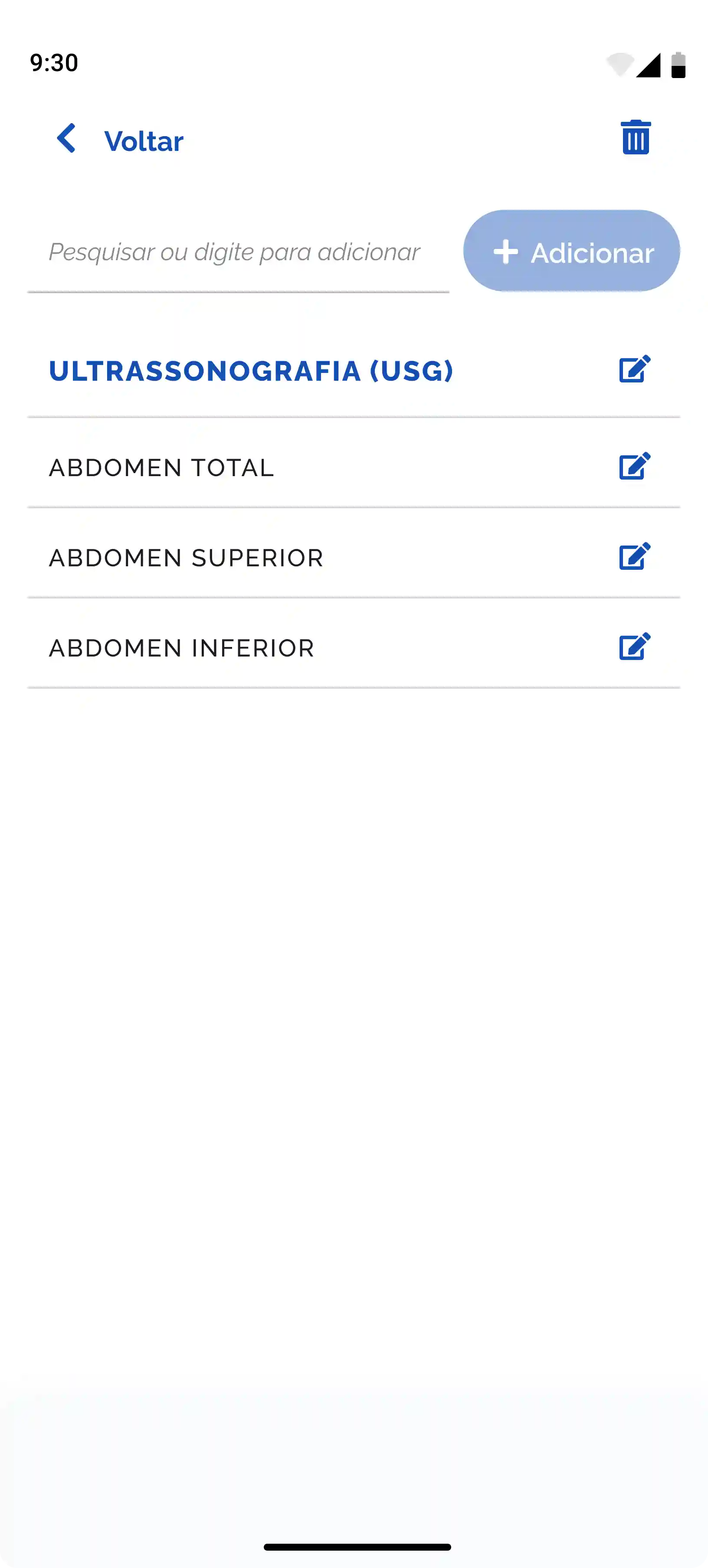
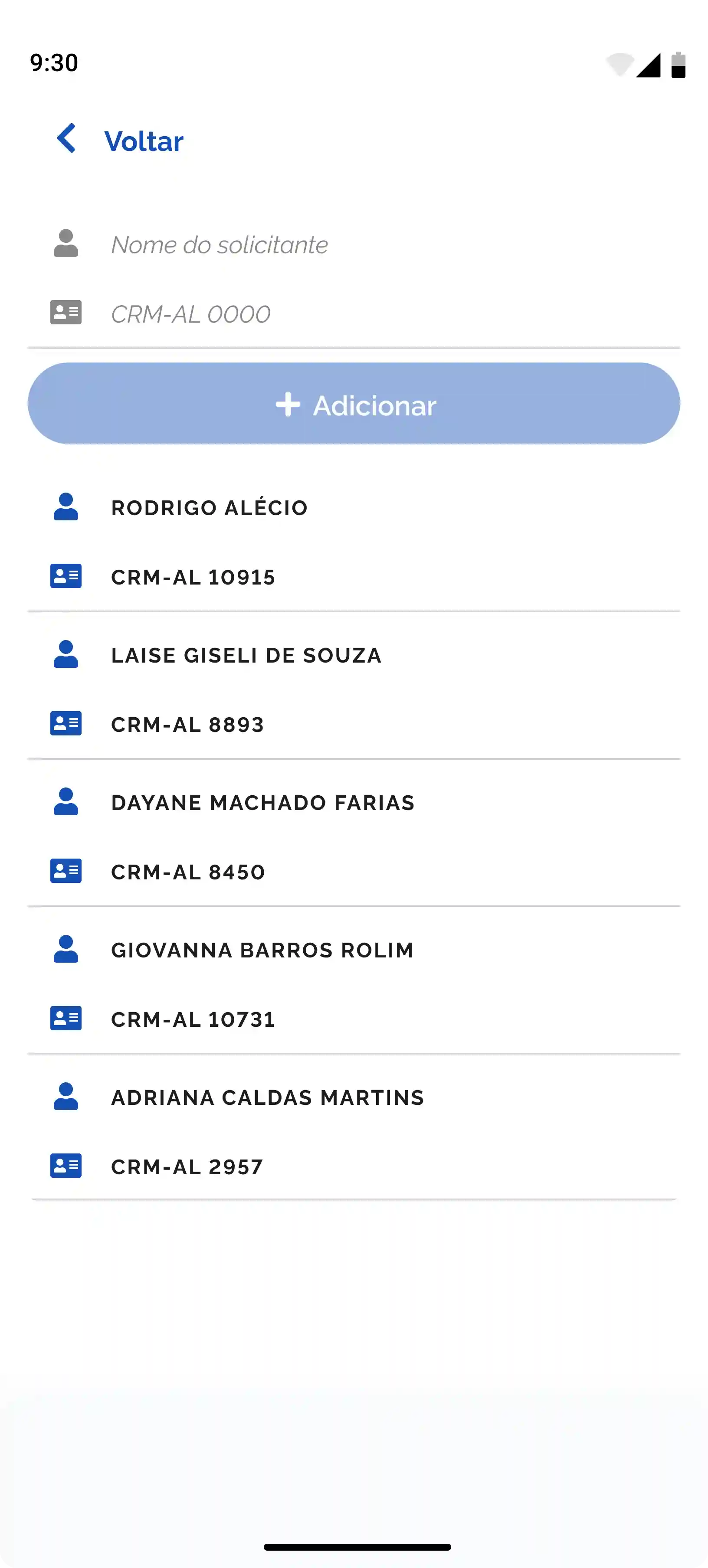
Although V3's functional structure was correct, tests revealed subtle contrast issues and color token inconsistencies, plus the persistence of the Card layout (inherited from the stakeholders' original vision).
I recognized that in my first application of the Design System, I failed to strictly adhere to the tokens. I returned to the technical documentation not only to fix contrast but also made significant component adjustments, rebuilding them to ensure strict Gov.BR compliance and accessibility.
- Result: I implemented visual consistency and clear semantic standards. This reduced cognitive load, but the listing structure (Cards) still proved inefficient for data density.


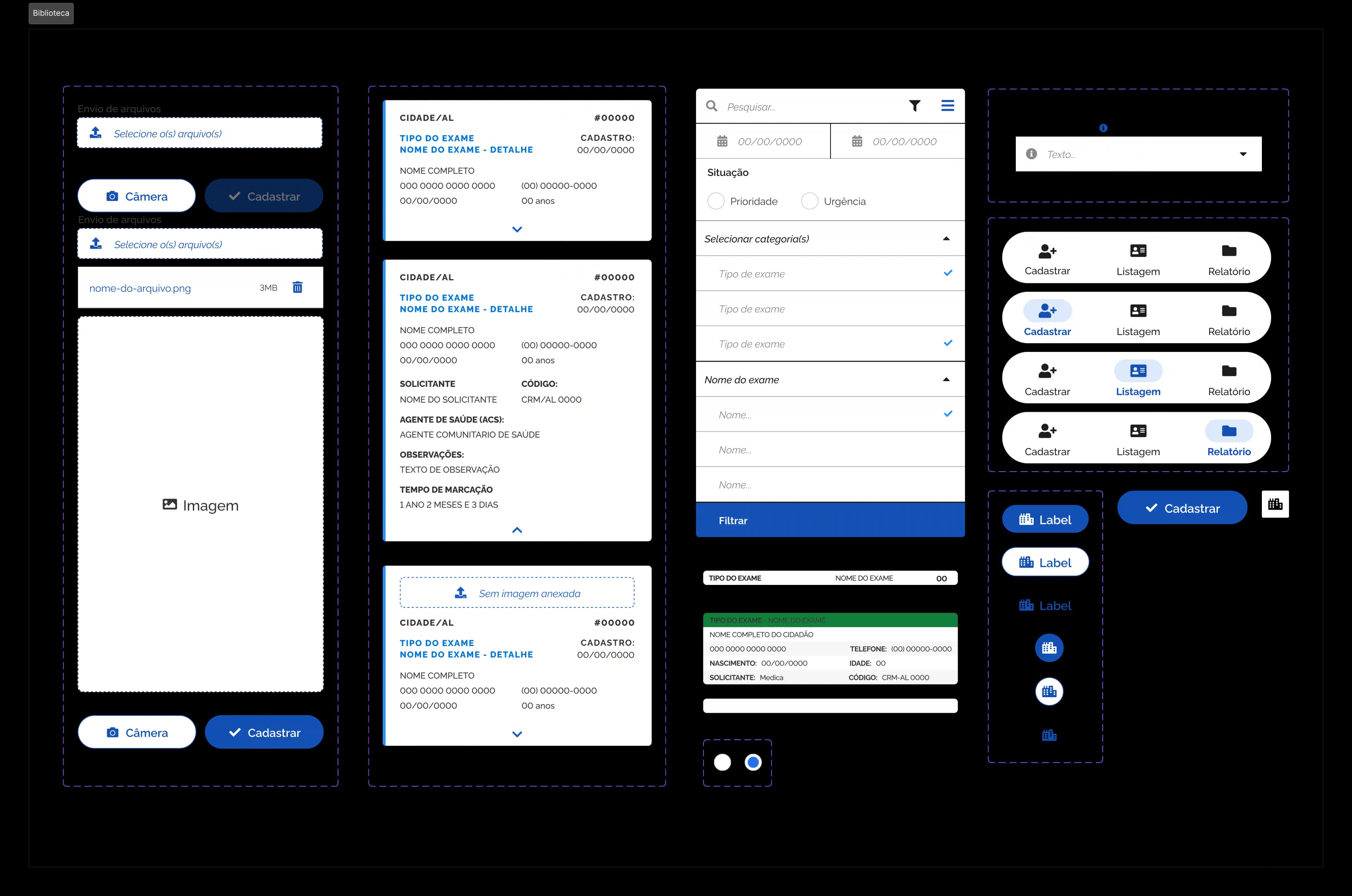
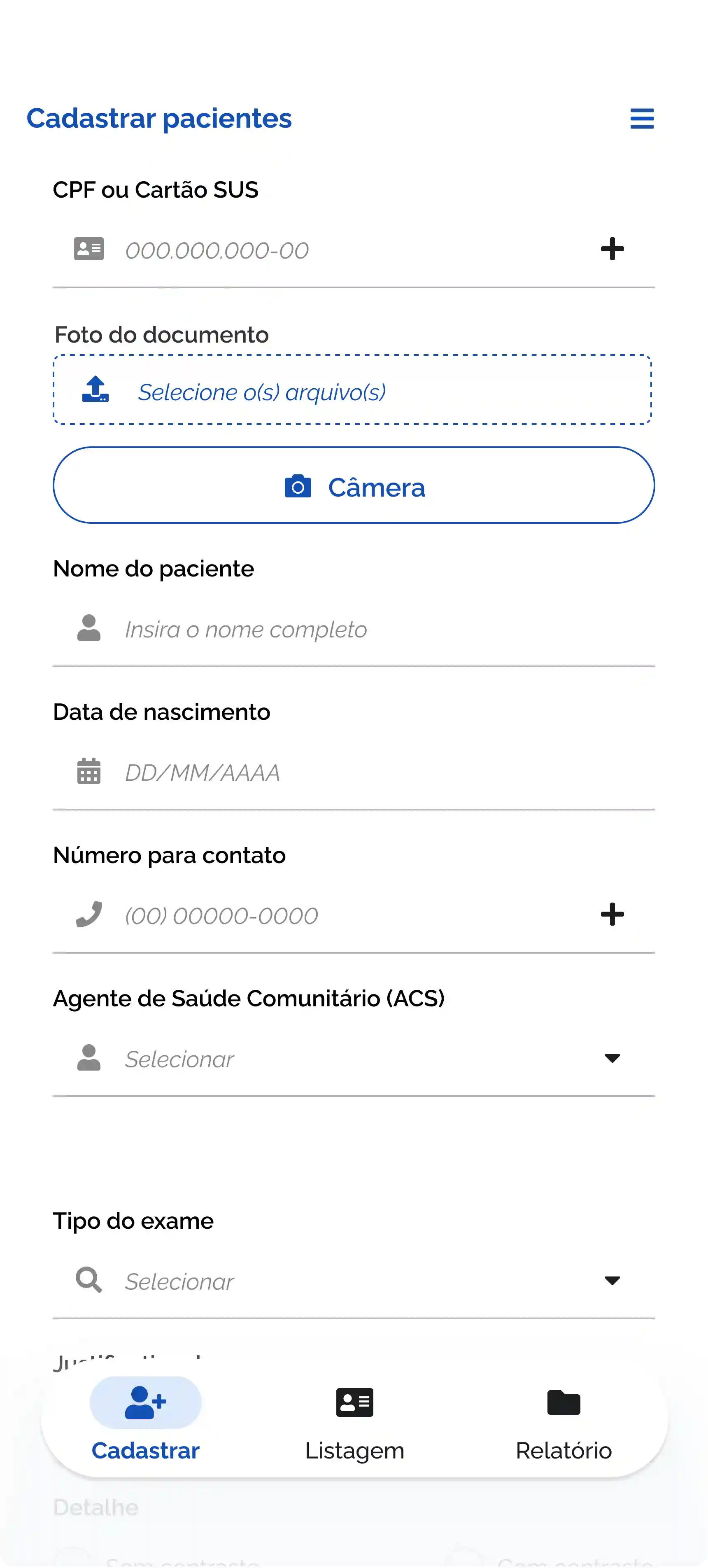
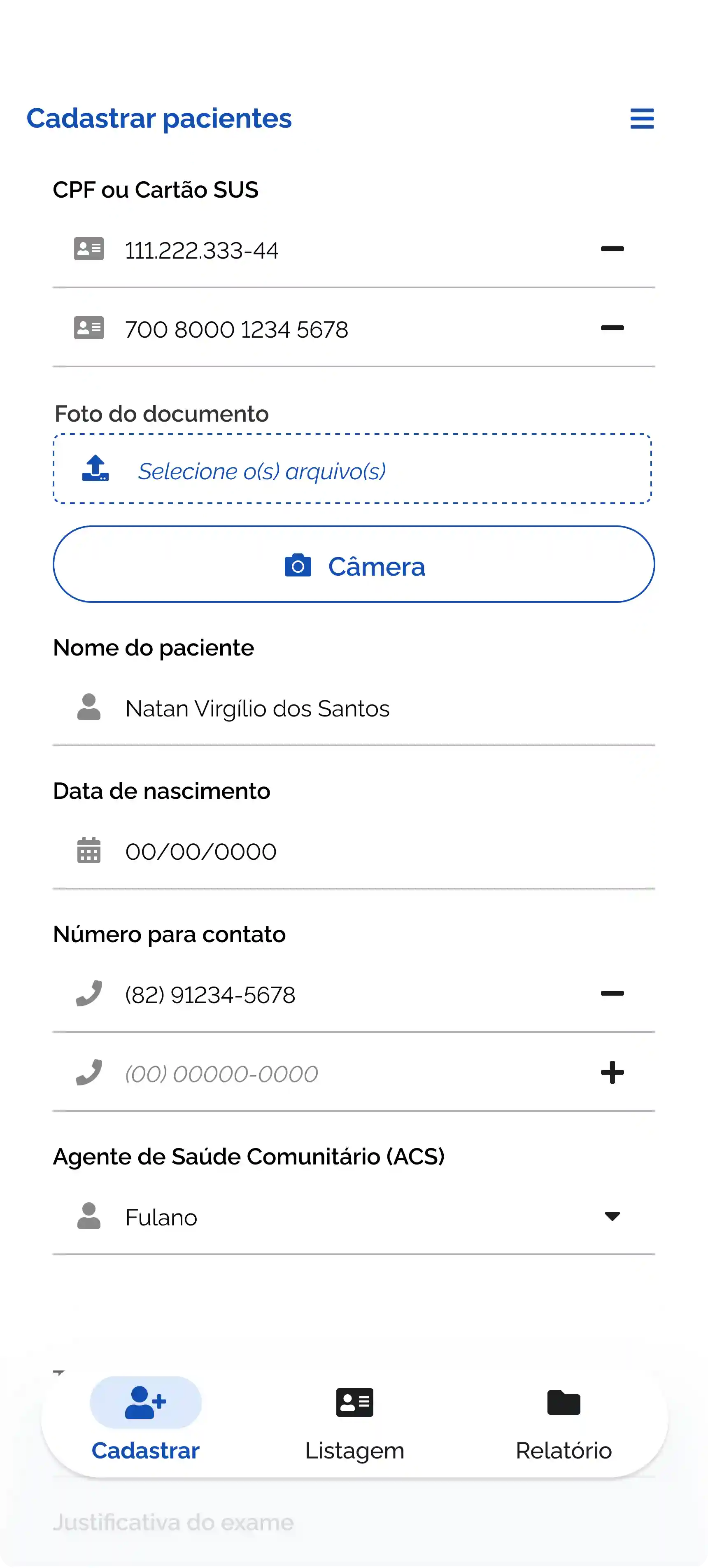
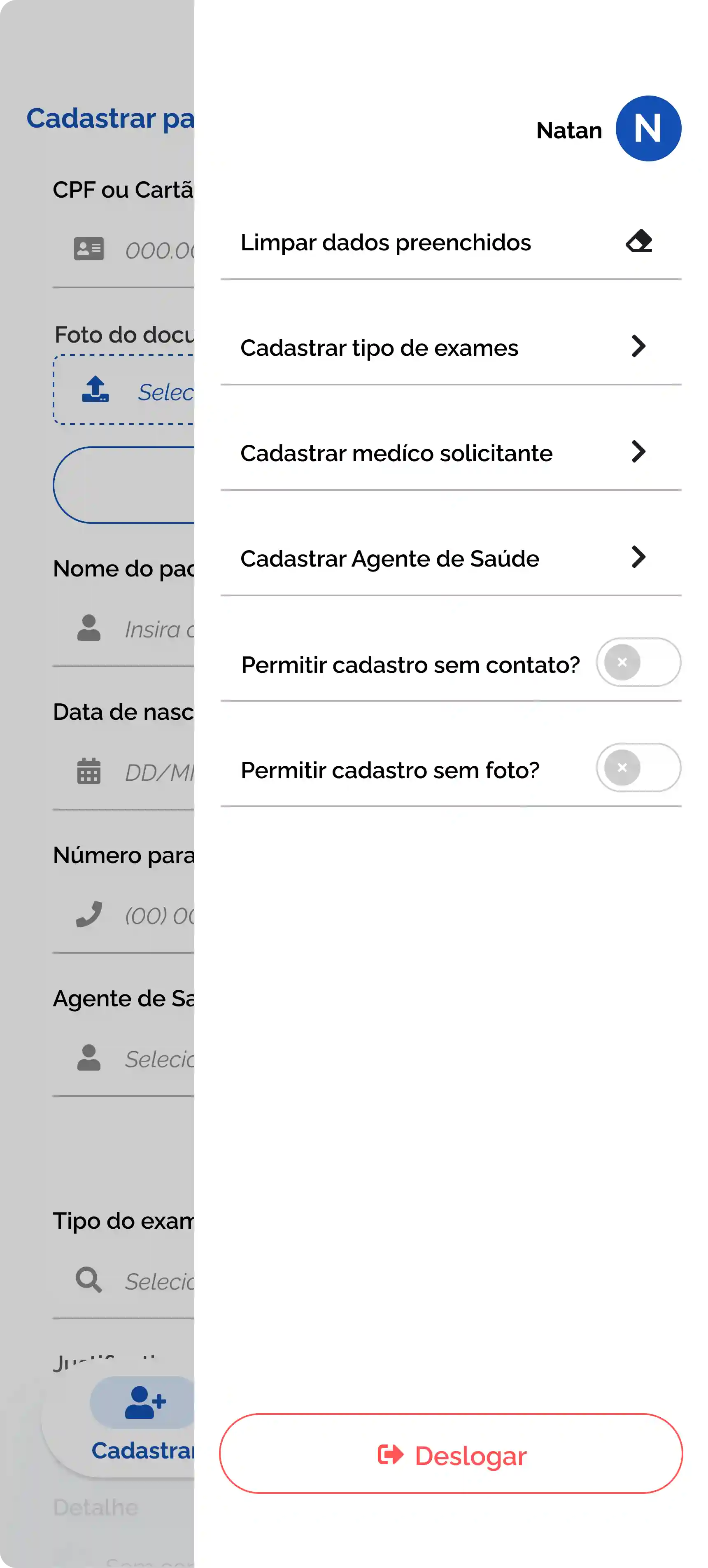
V5 — Product Maturity (Final Specification)
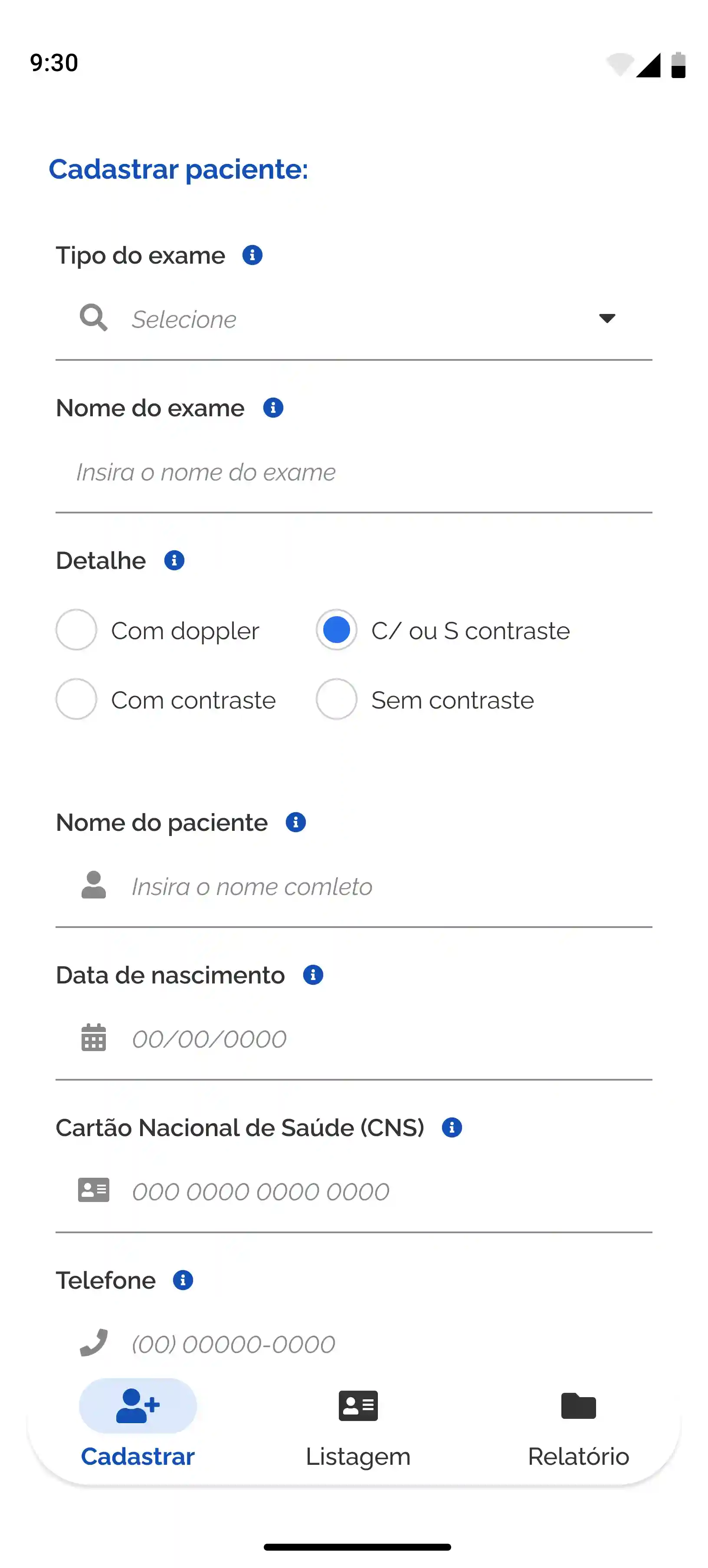
With the imminent external contracting and the performance collapse of old computers in 2026, I developed V5 to serve as the Definitive Technical Documentation and prove that the system's intelligence belongs to Design, regardless of who codes it.
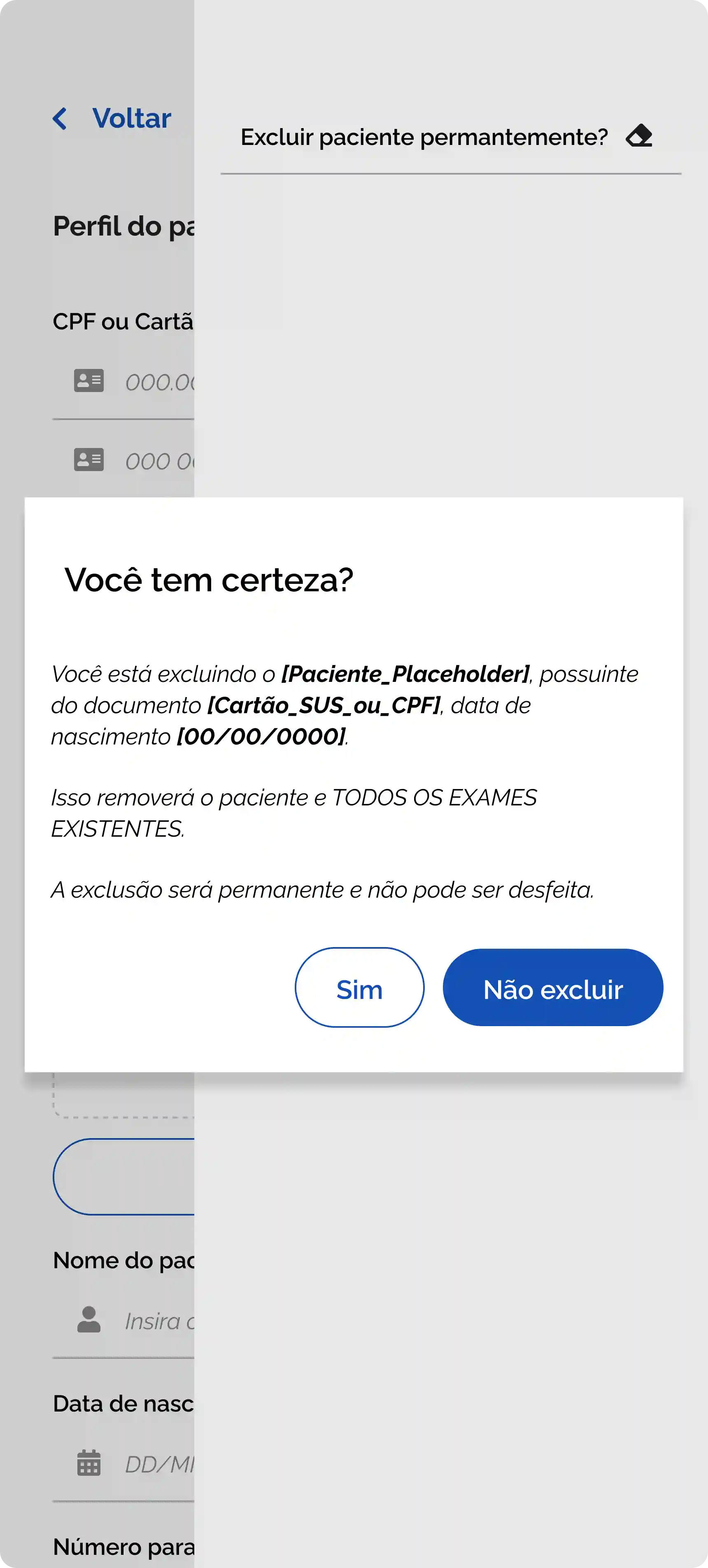
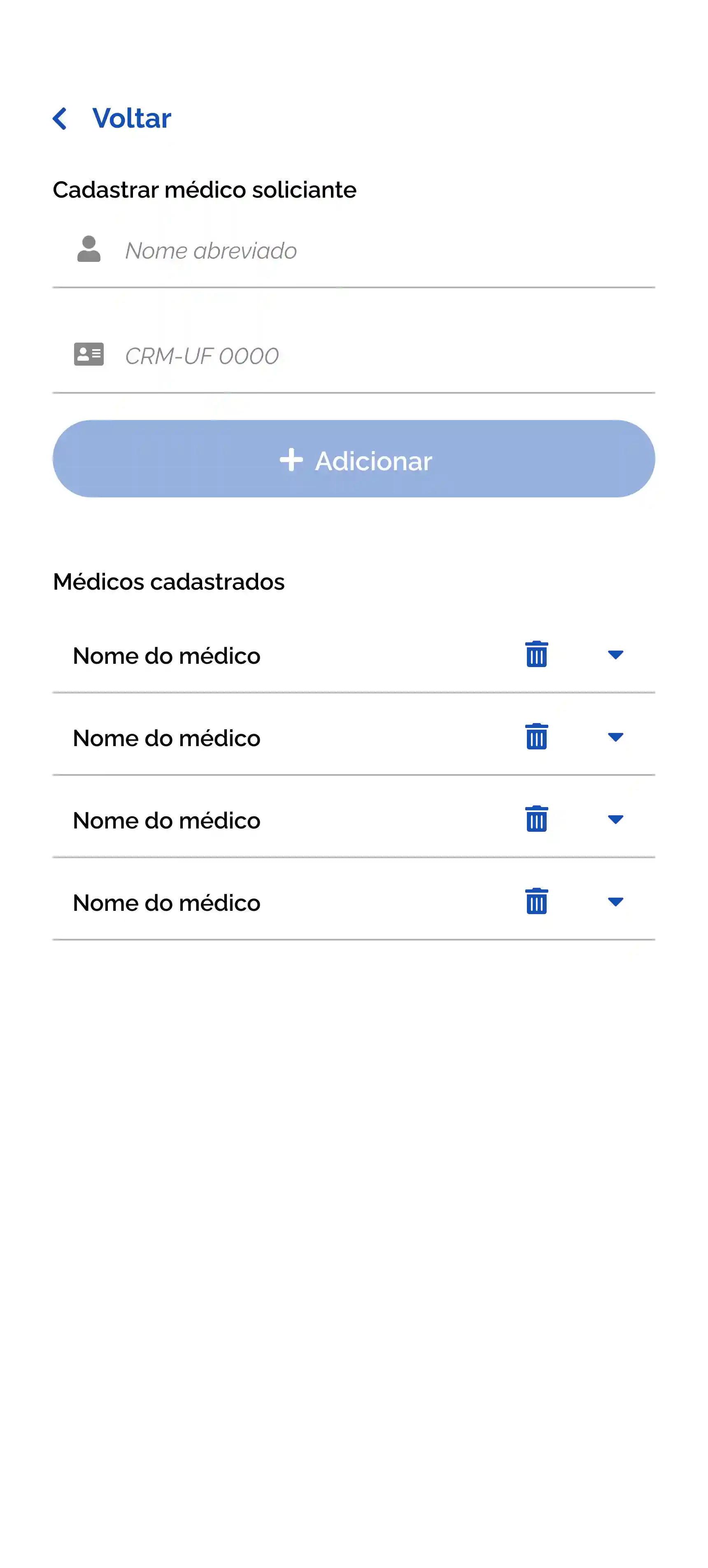
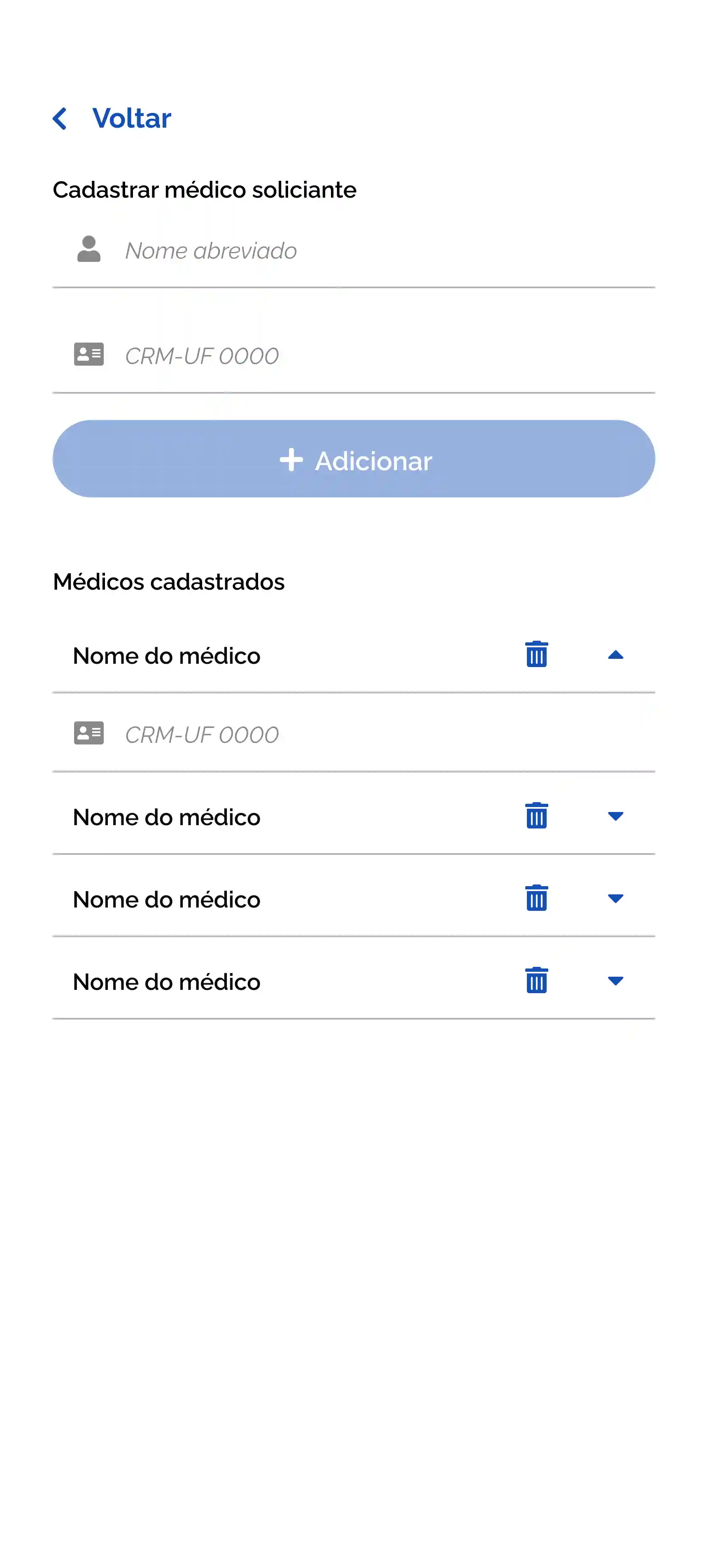
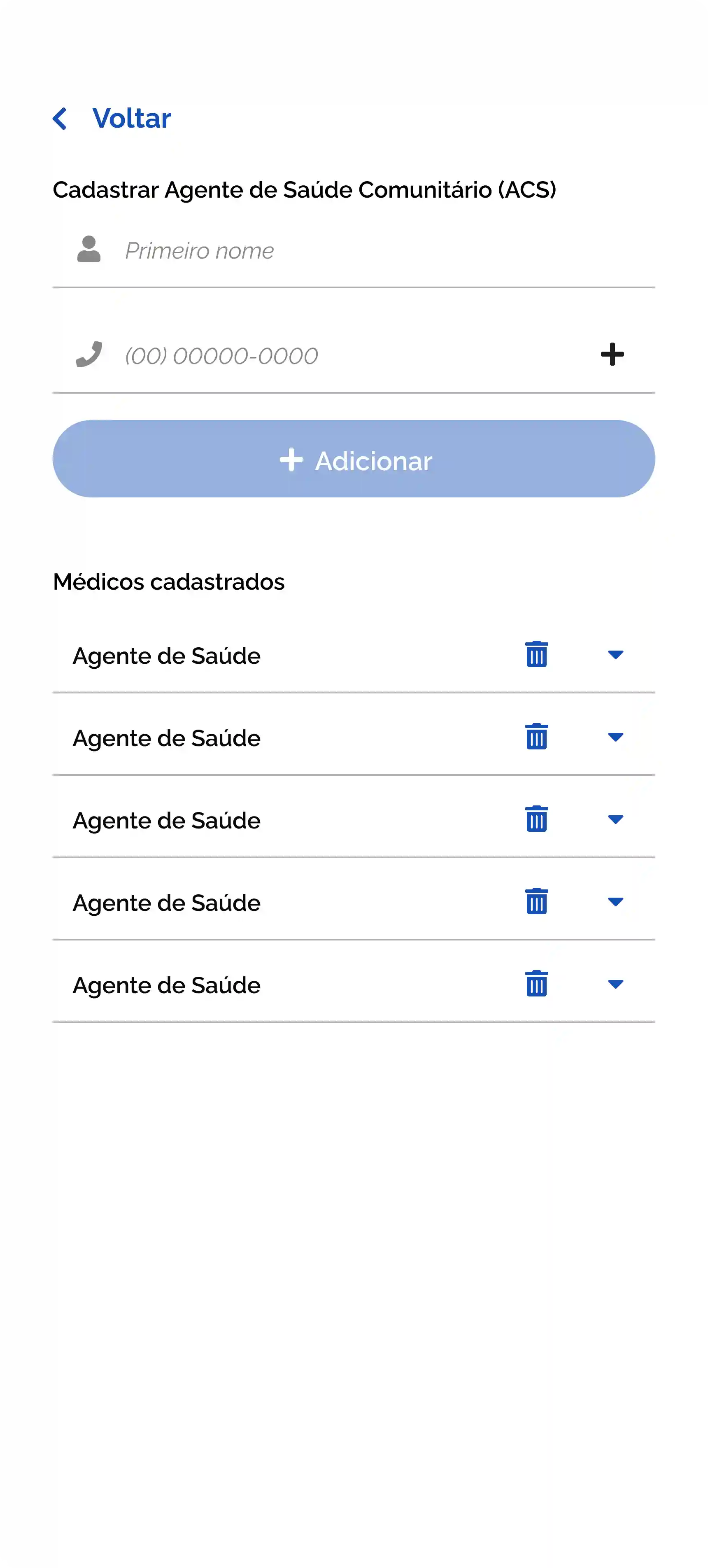
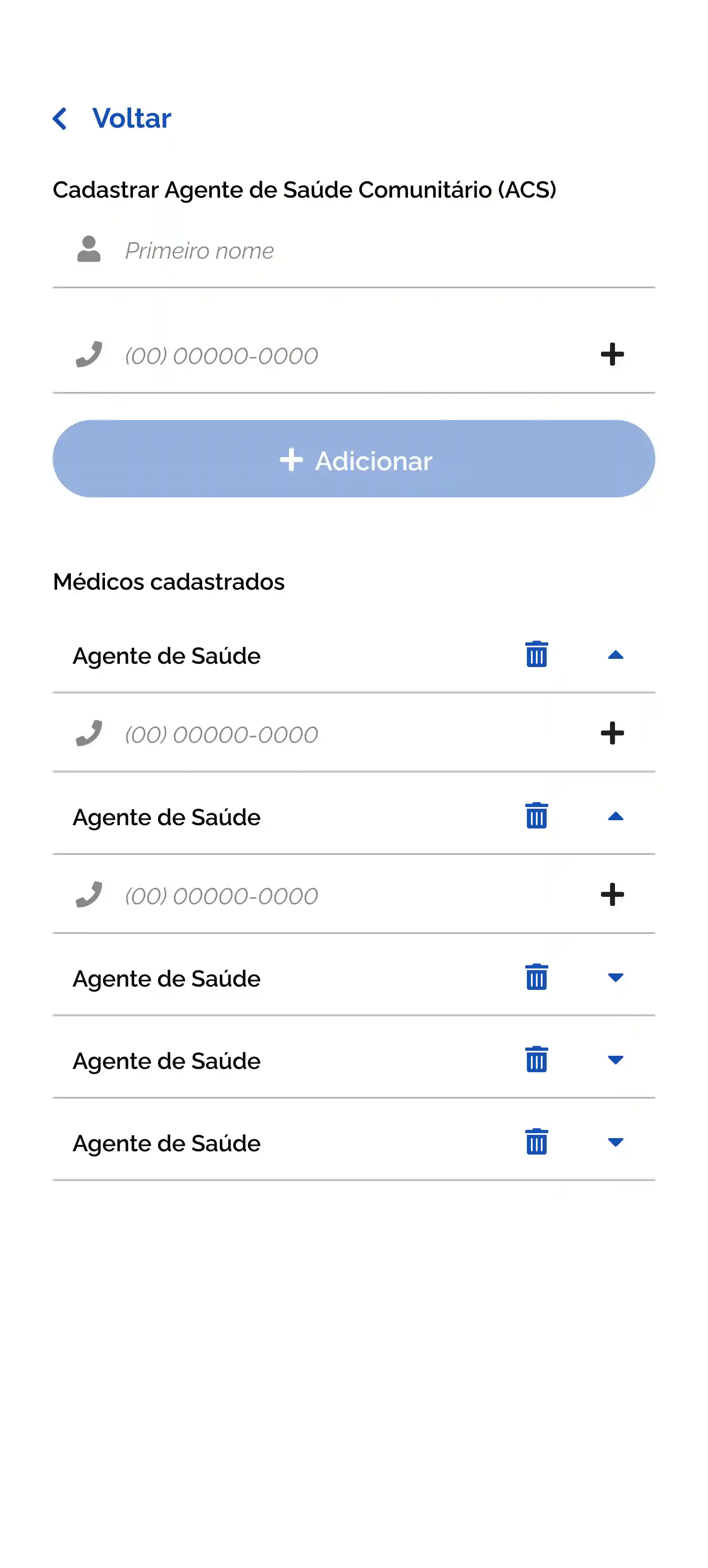
This version represents a rebuild based on high-density usability to solve the bottlenecks that Google Sheets and V4 did not address:
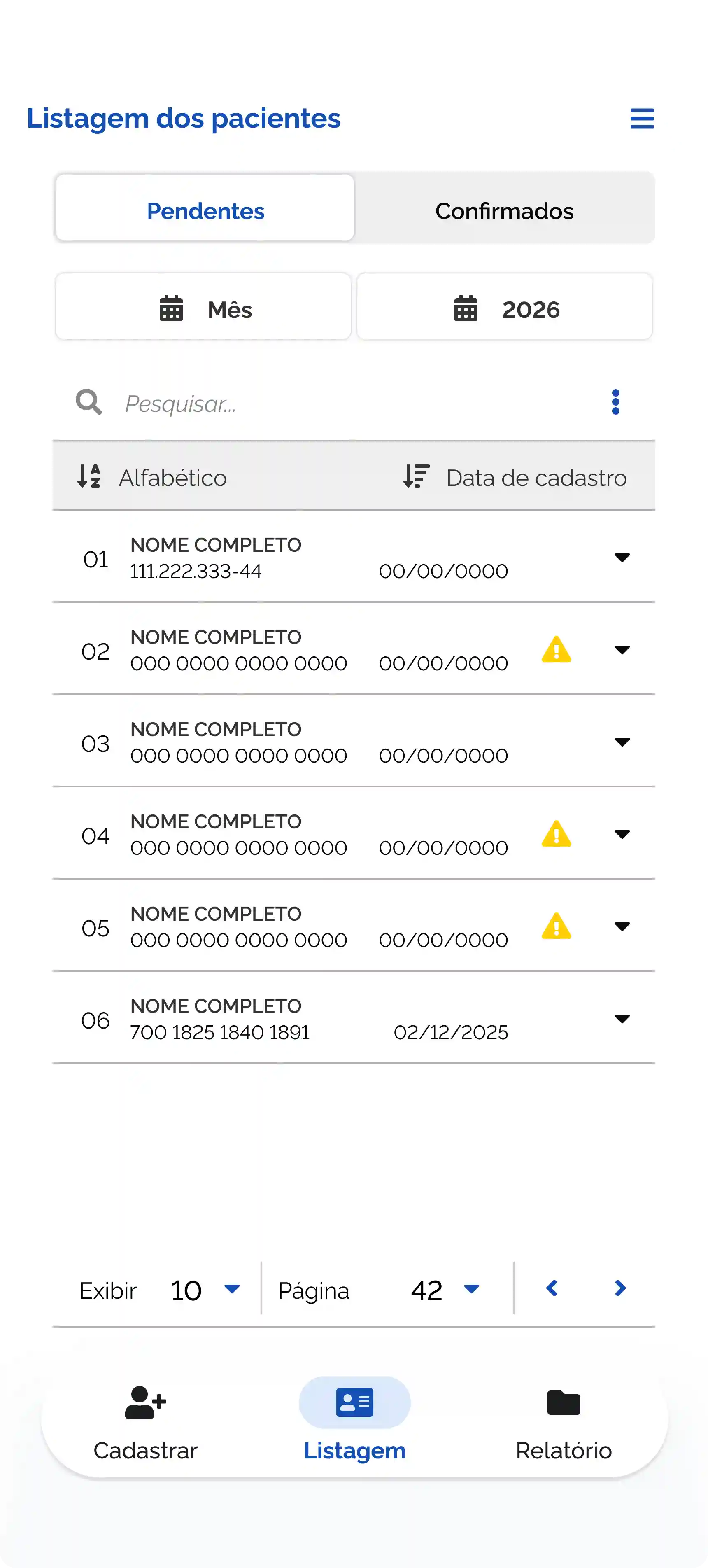
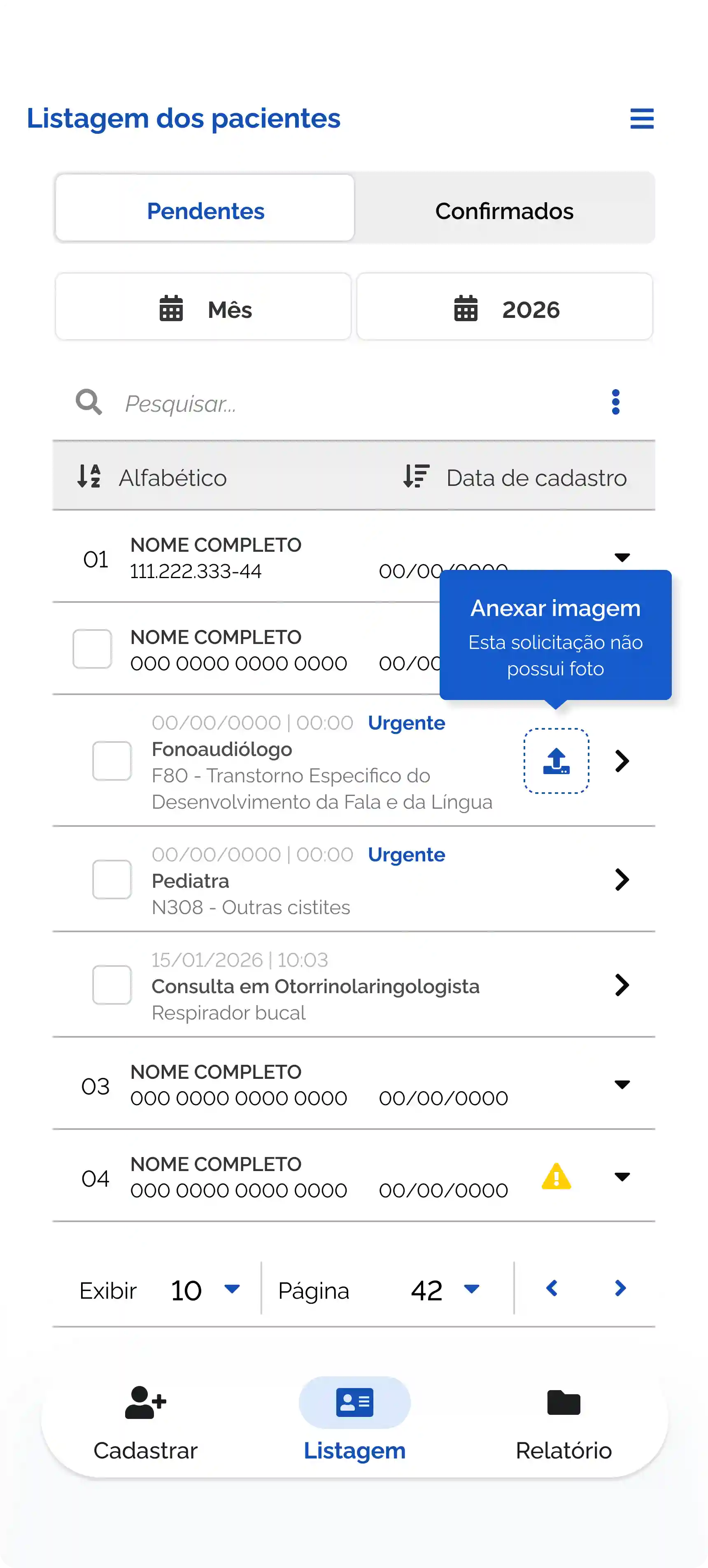
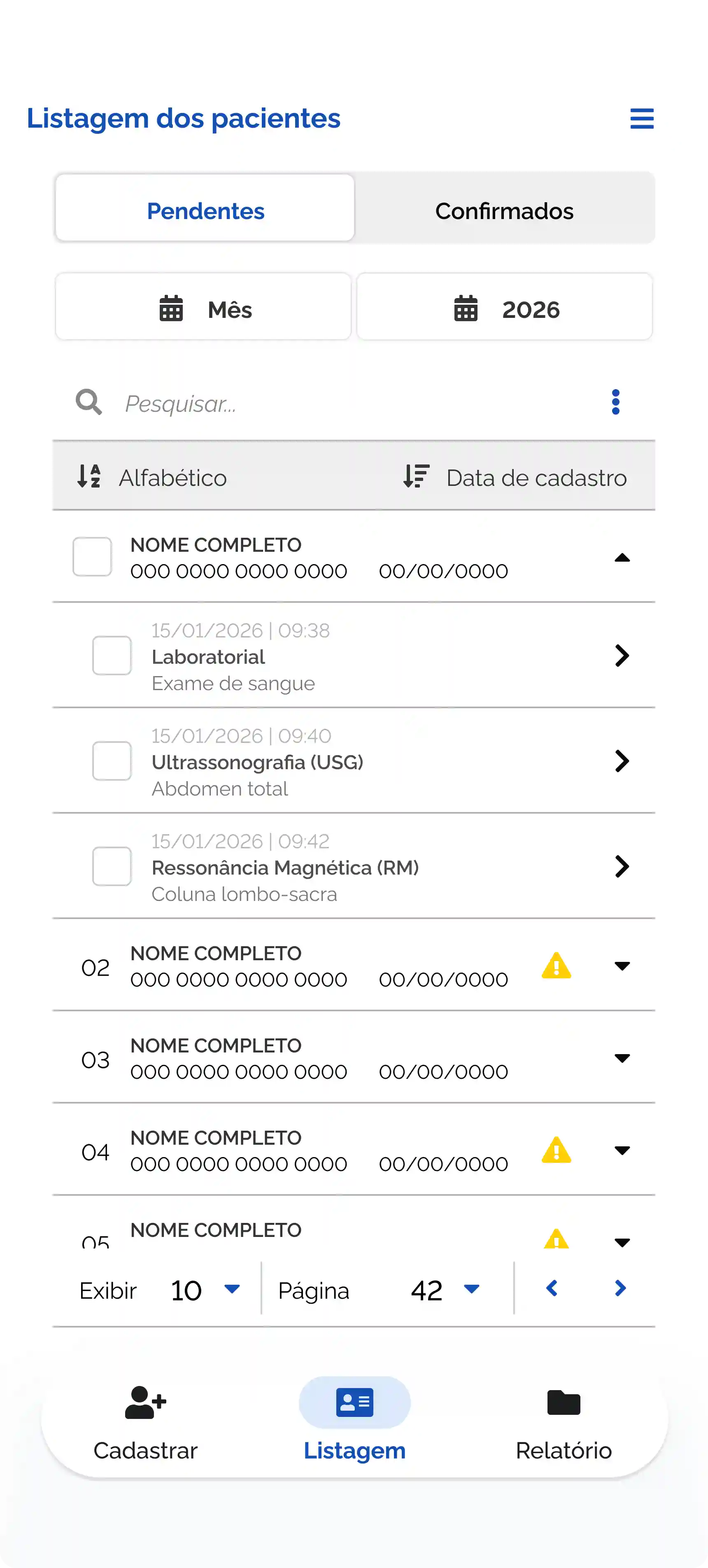
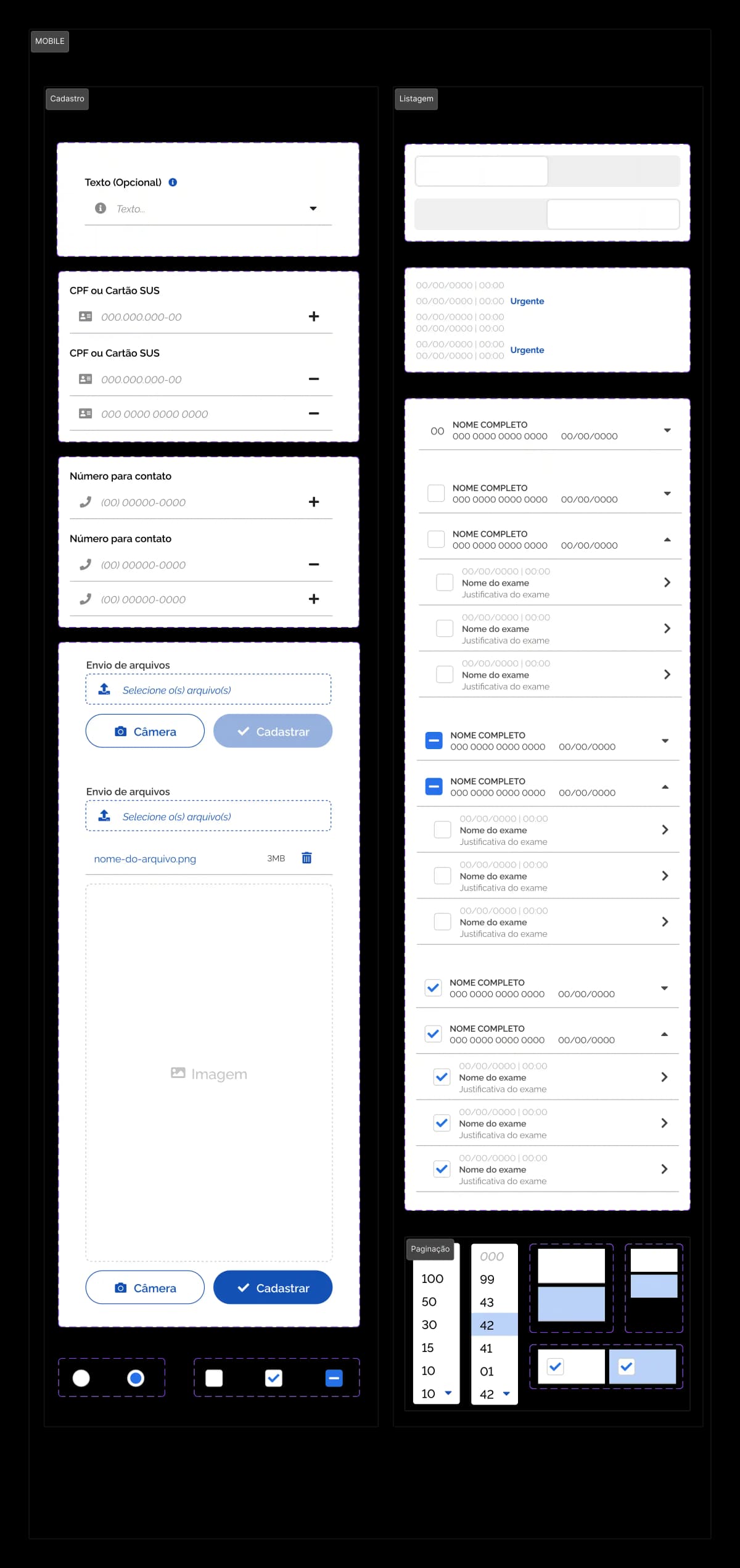
- Structural Change (Cards vs. Tables): I identified that the Card listing (V4), while visually pleasing, generated visual pollution, infinite scrolling, and poor mobile performance.
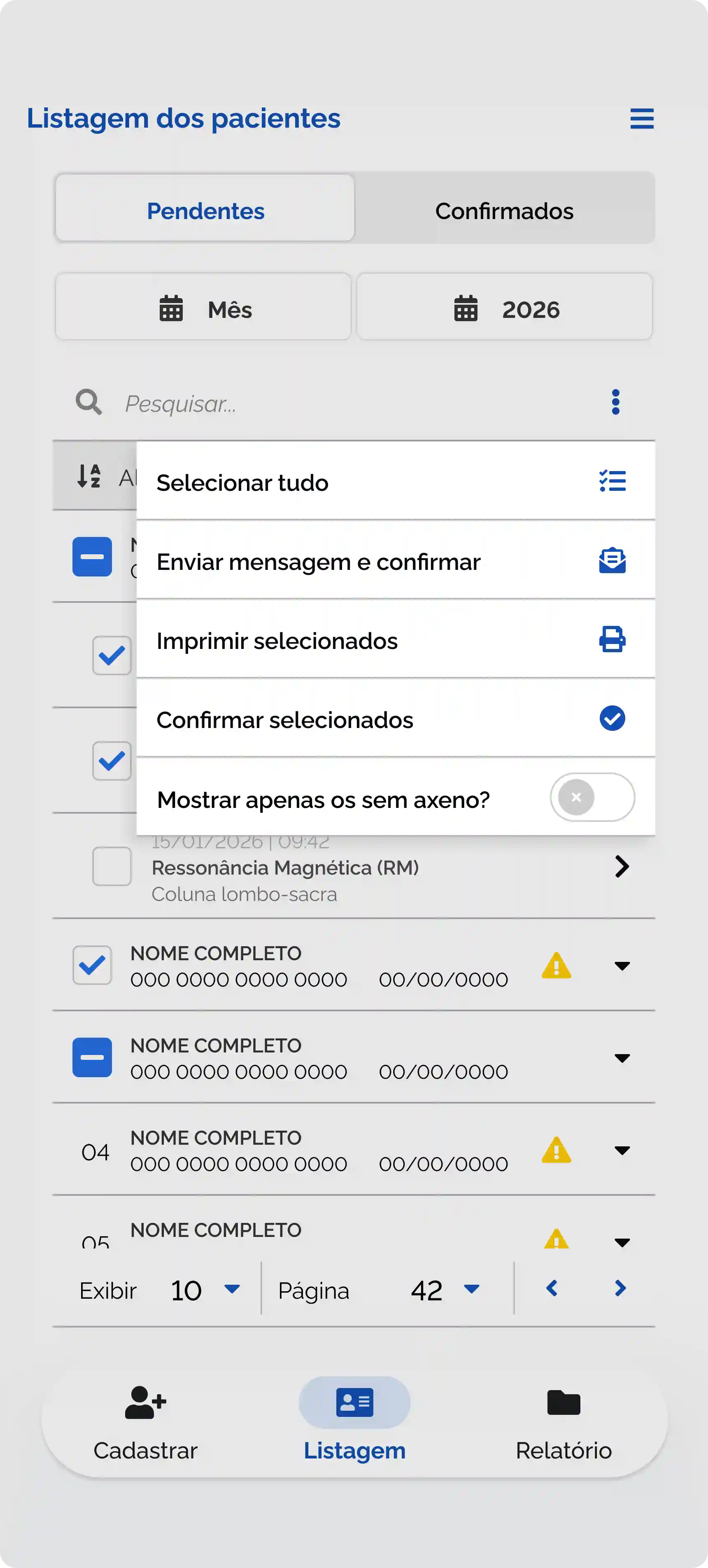
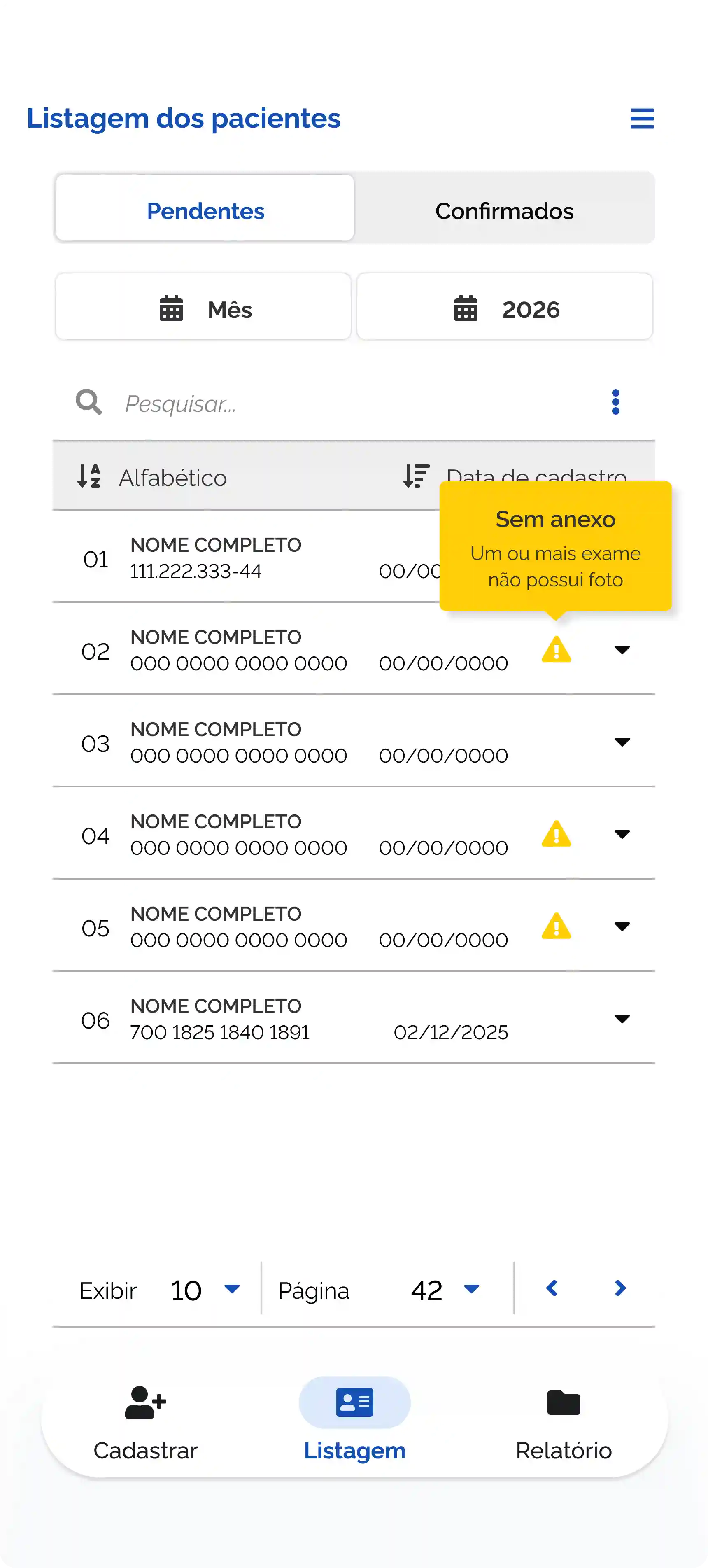
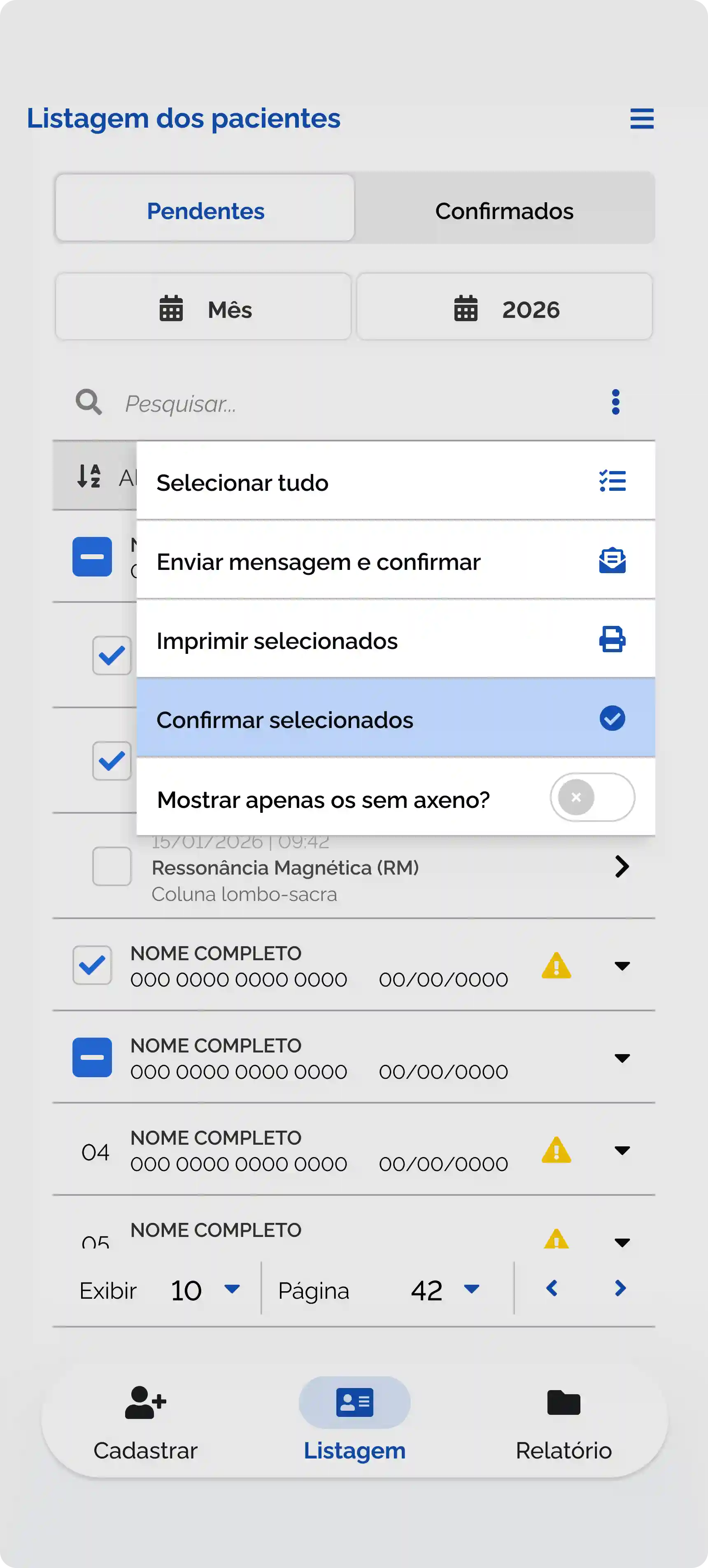
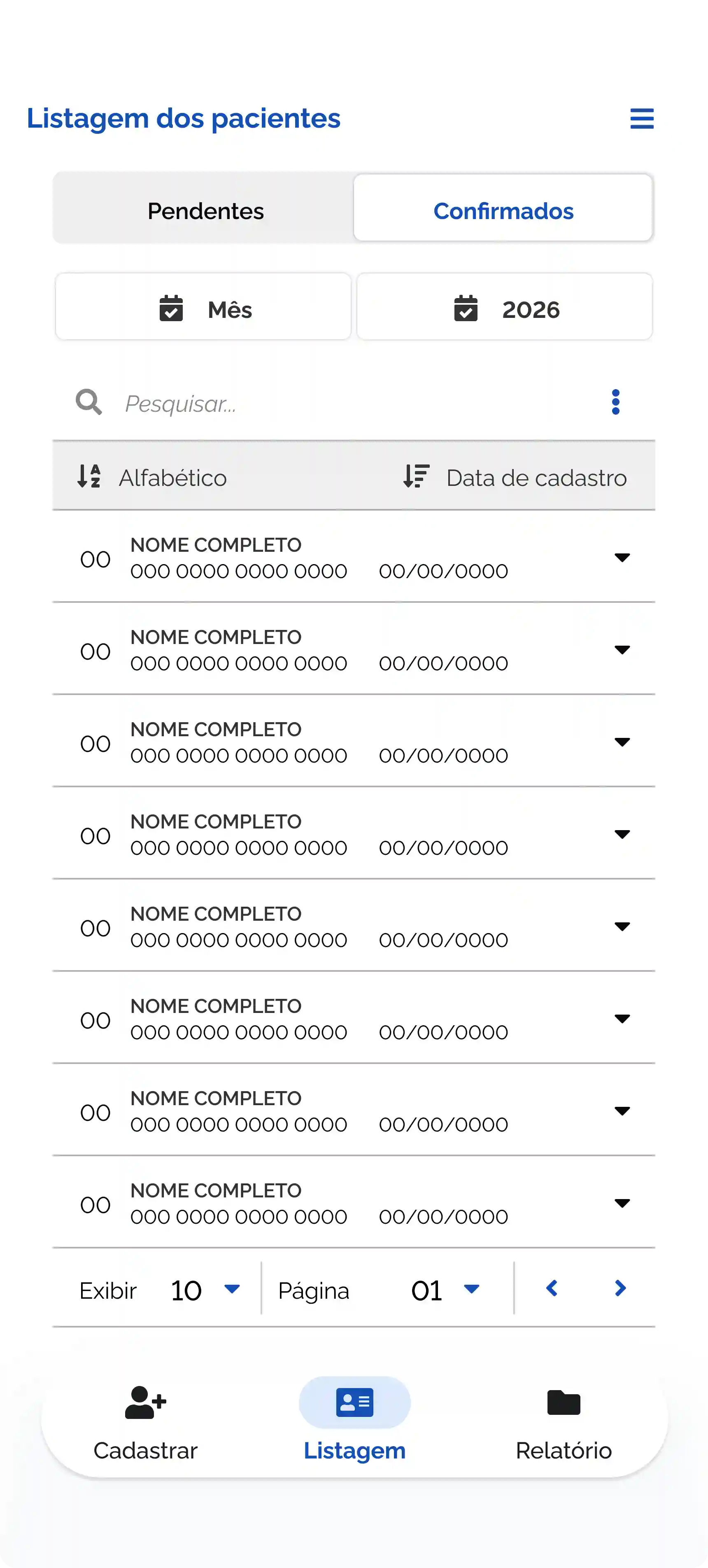
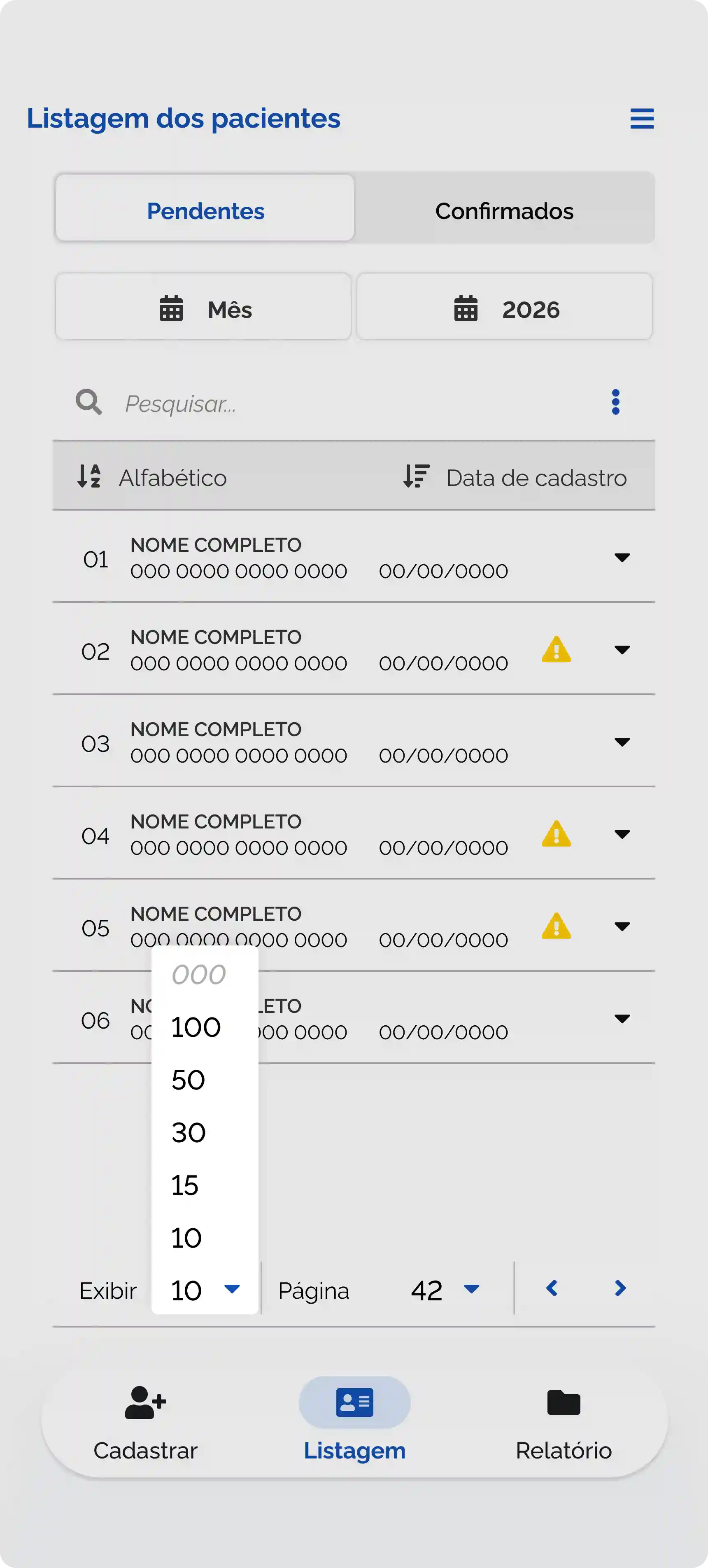
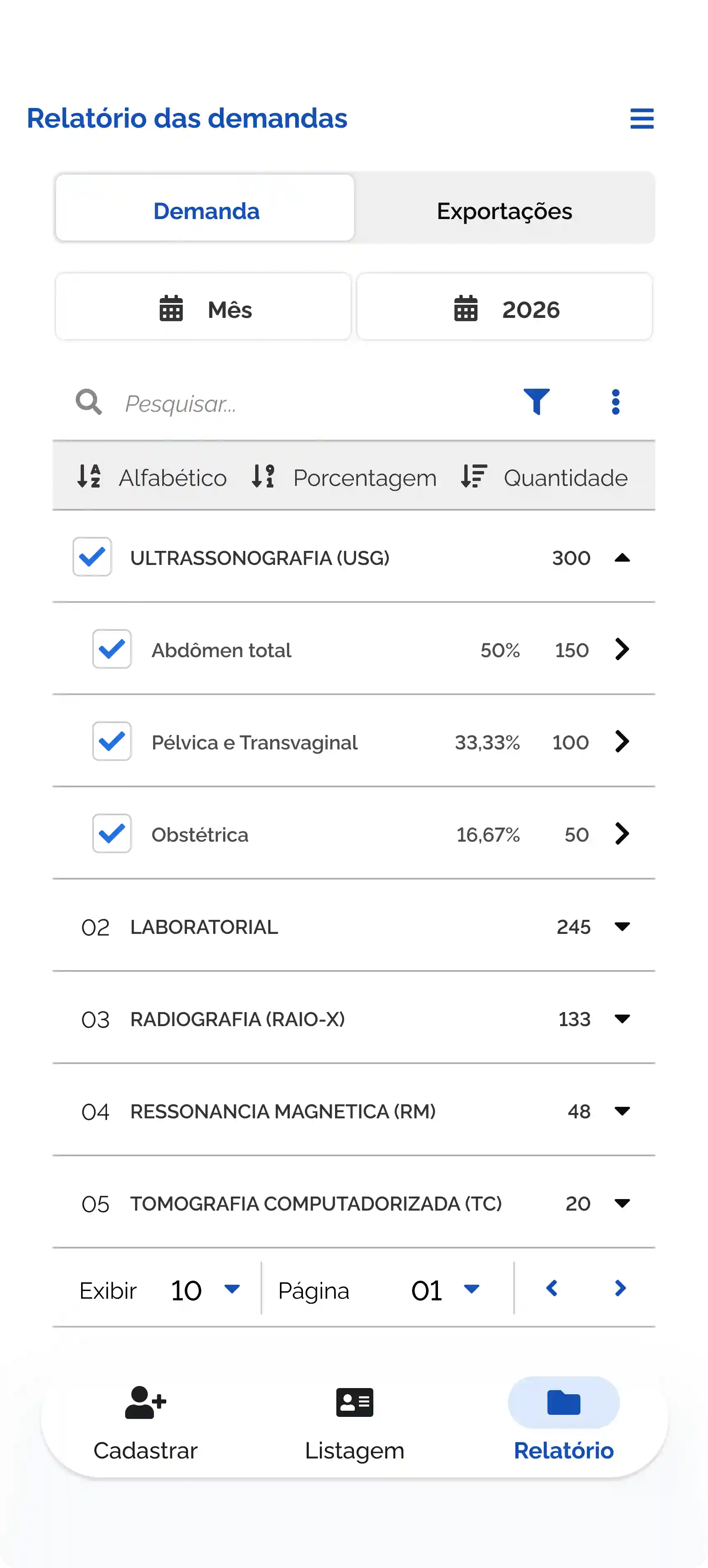
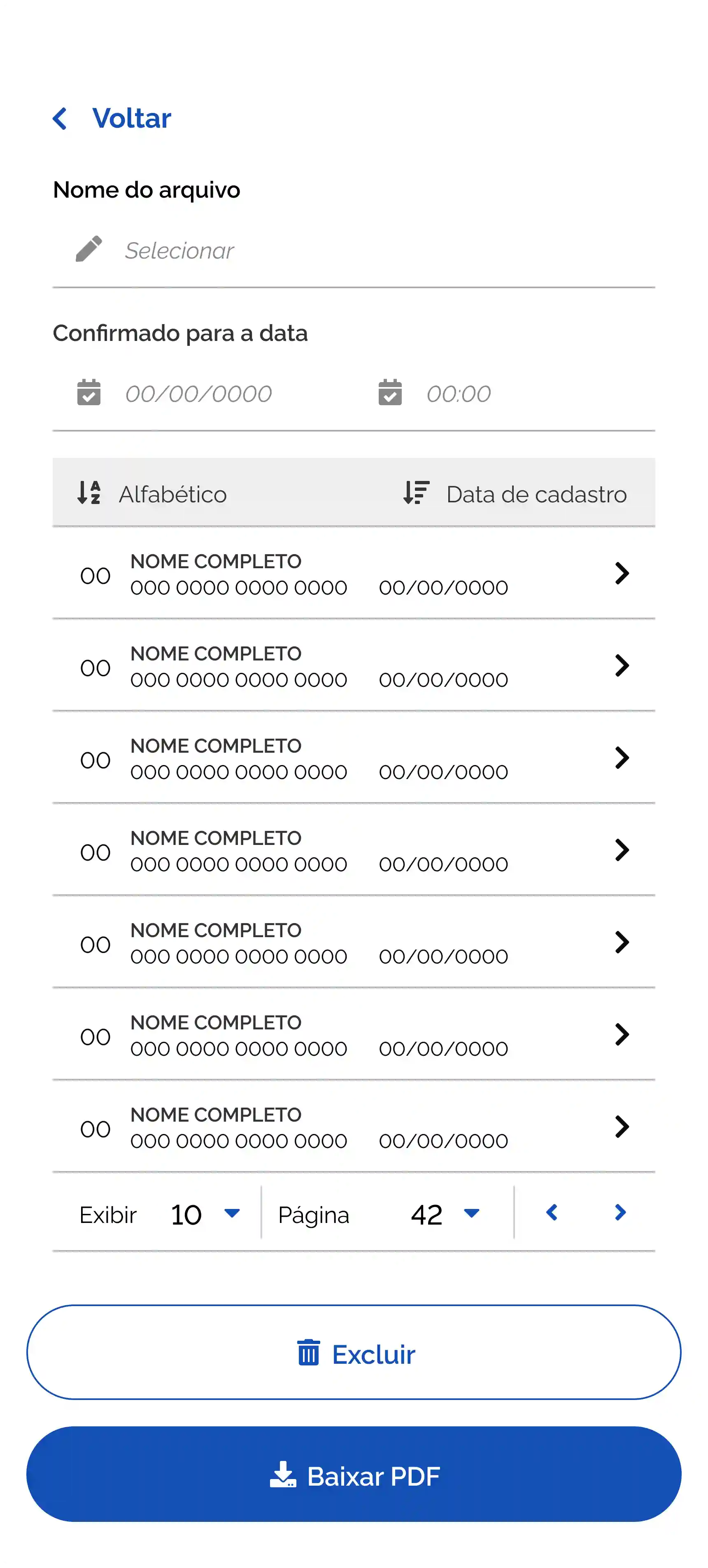
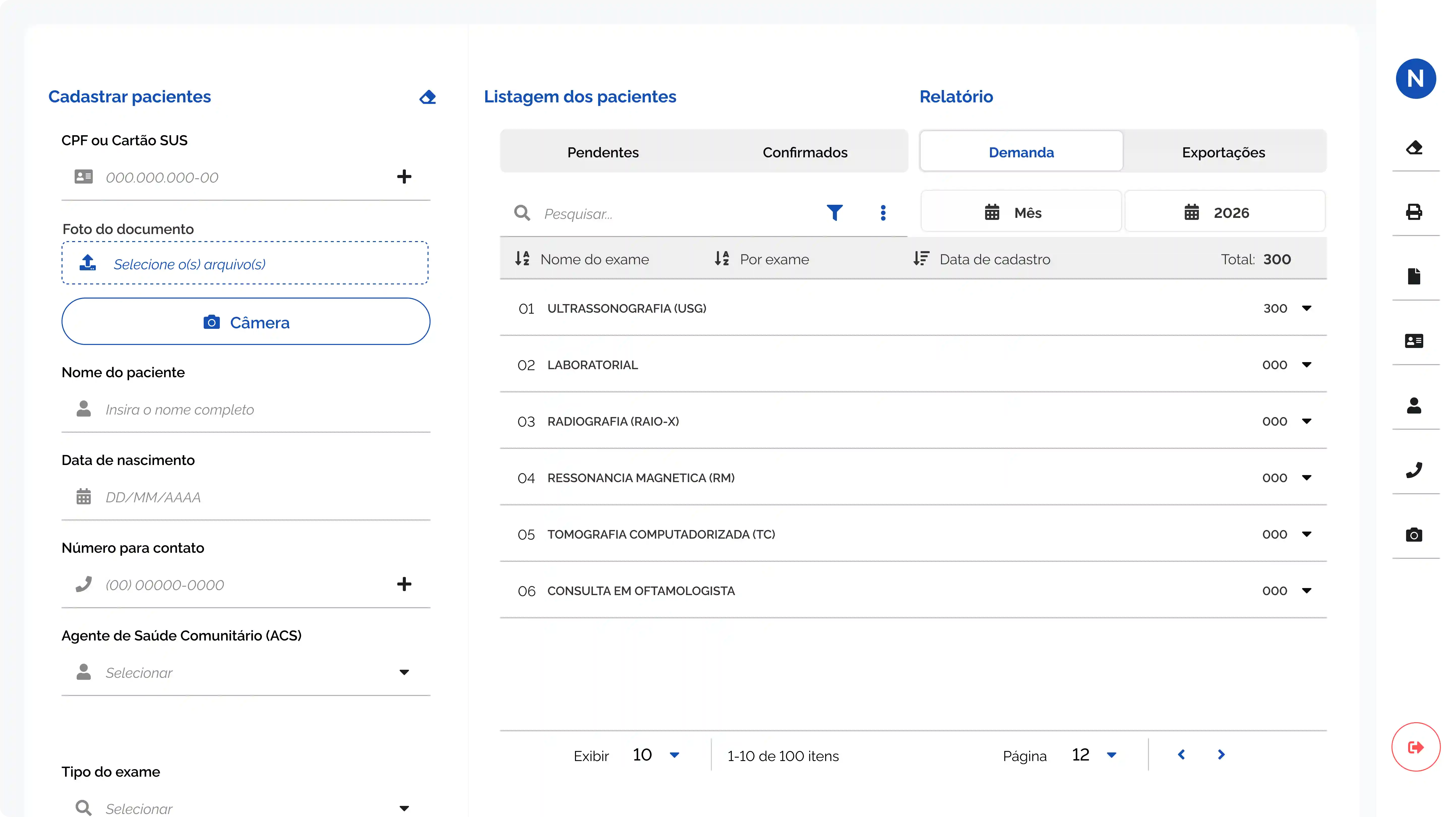
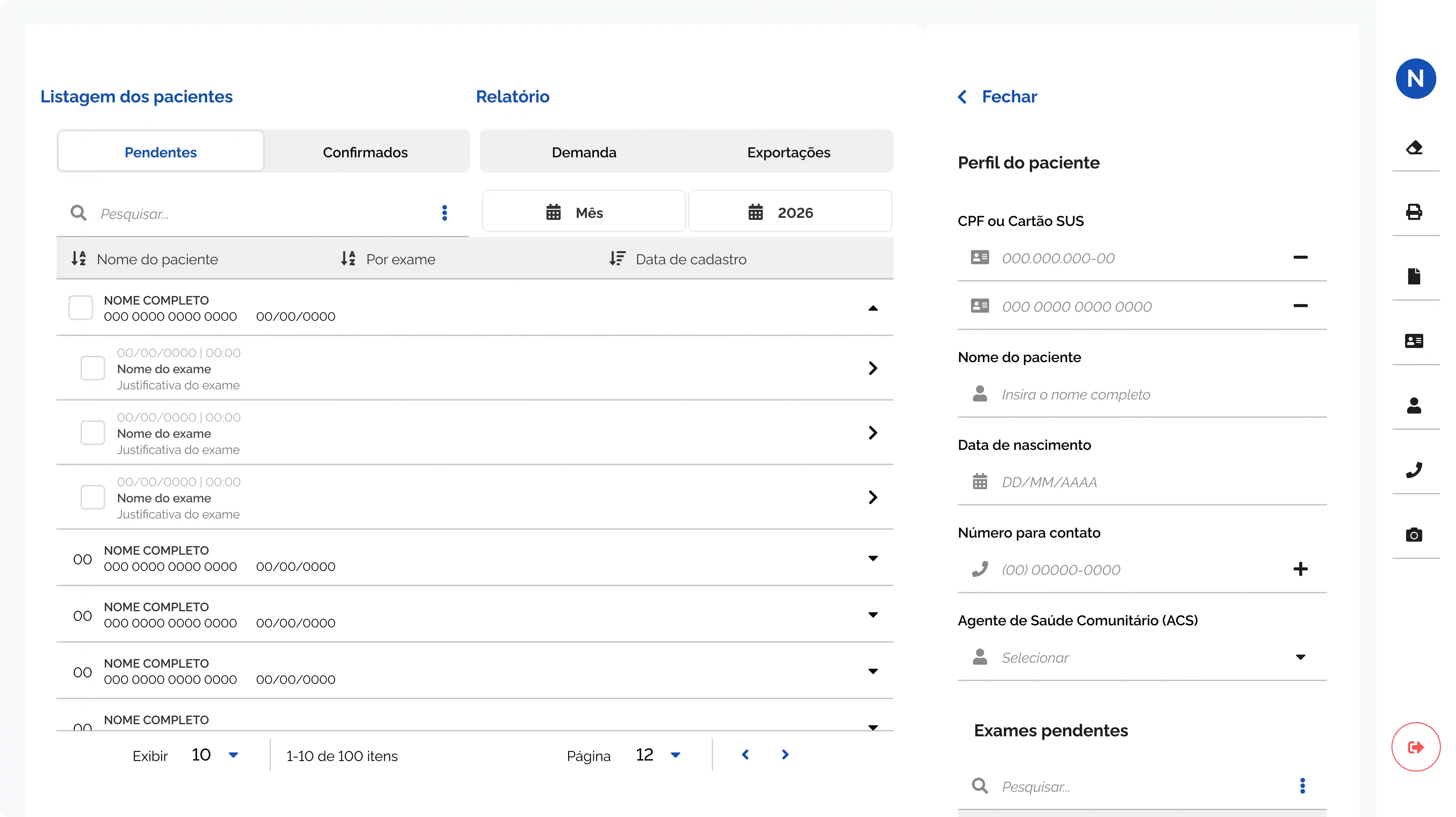
- Design Decision: I replaced it with High-Density Tables with controlled pagination (10/15/30/50/100 items). This eliminated visual noise and optimized vertical reading (scannability).
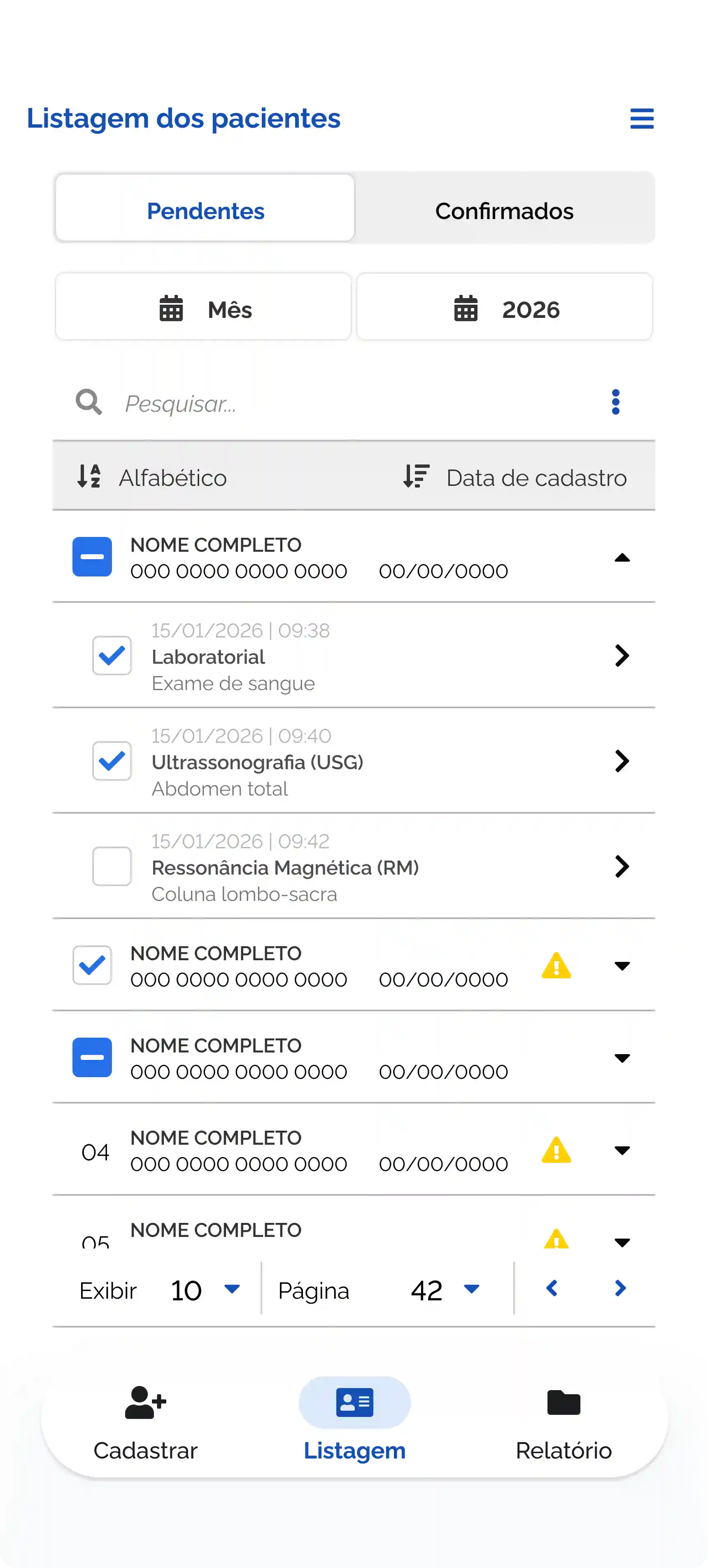
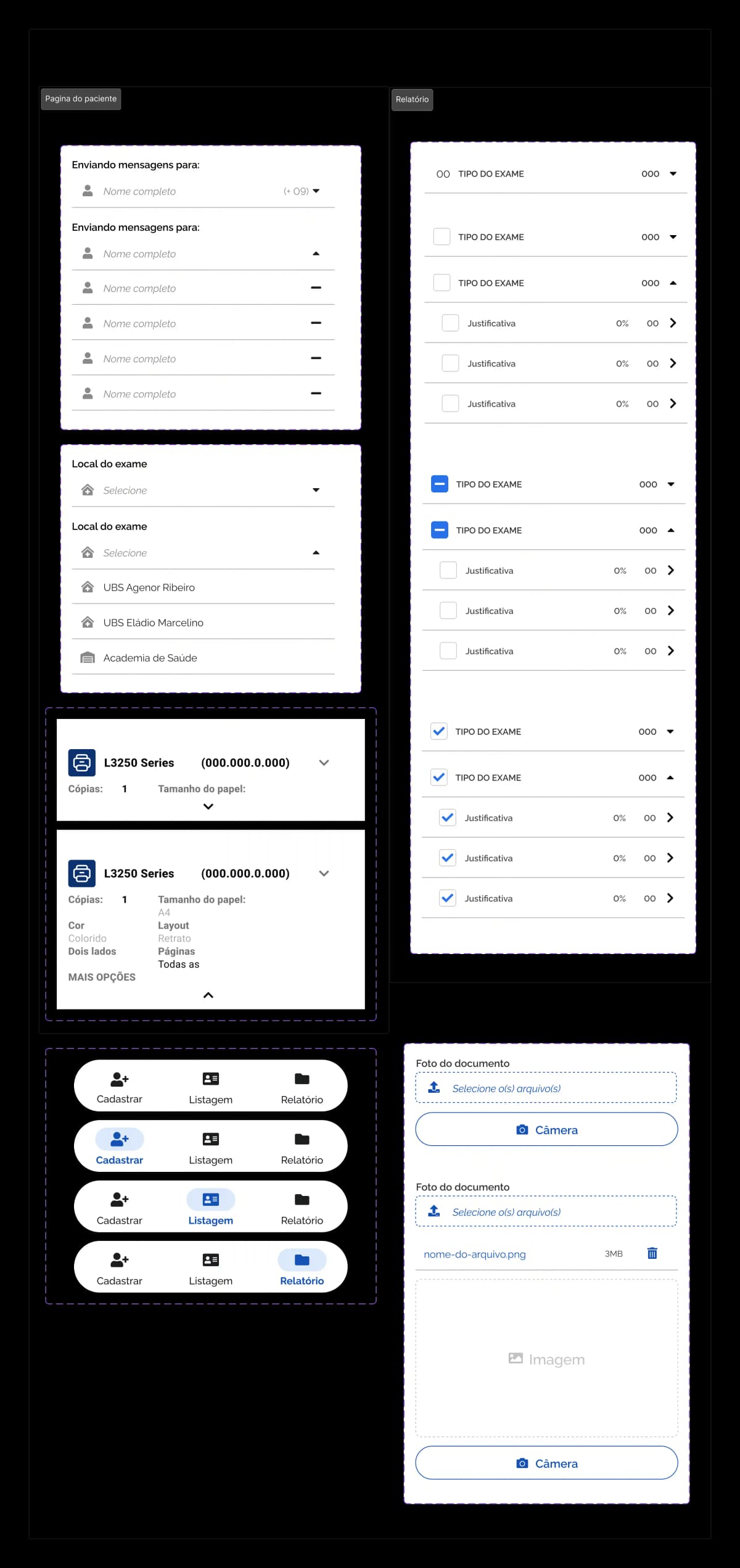
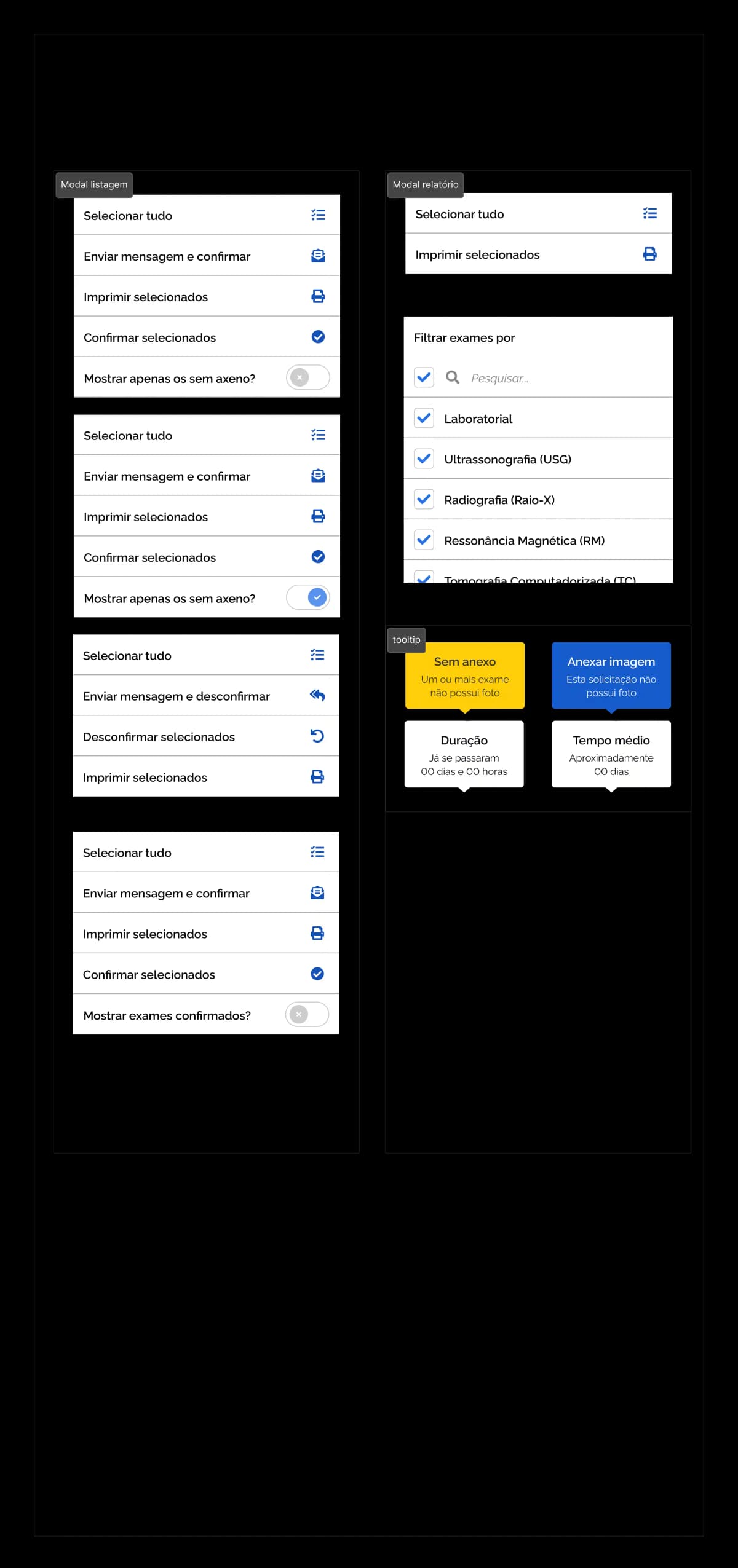
- Interaction Optimization (Bulk Actions): I implemented native mobile patterns to speed up the routine.
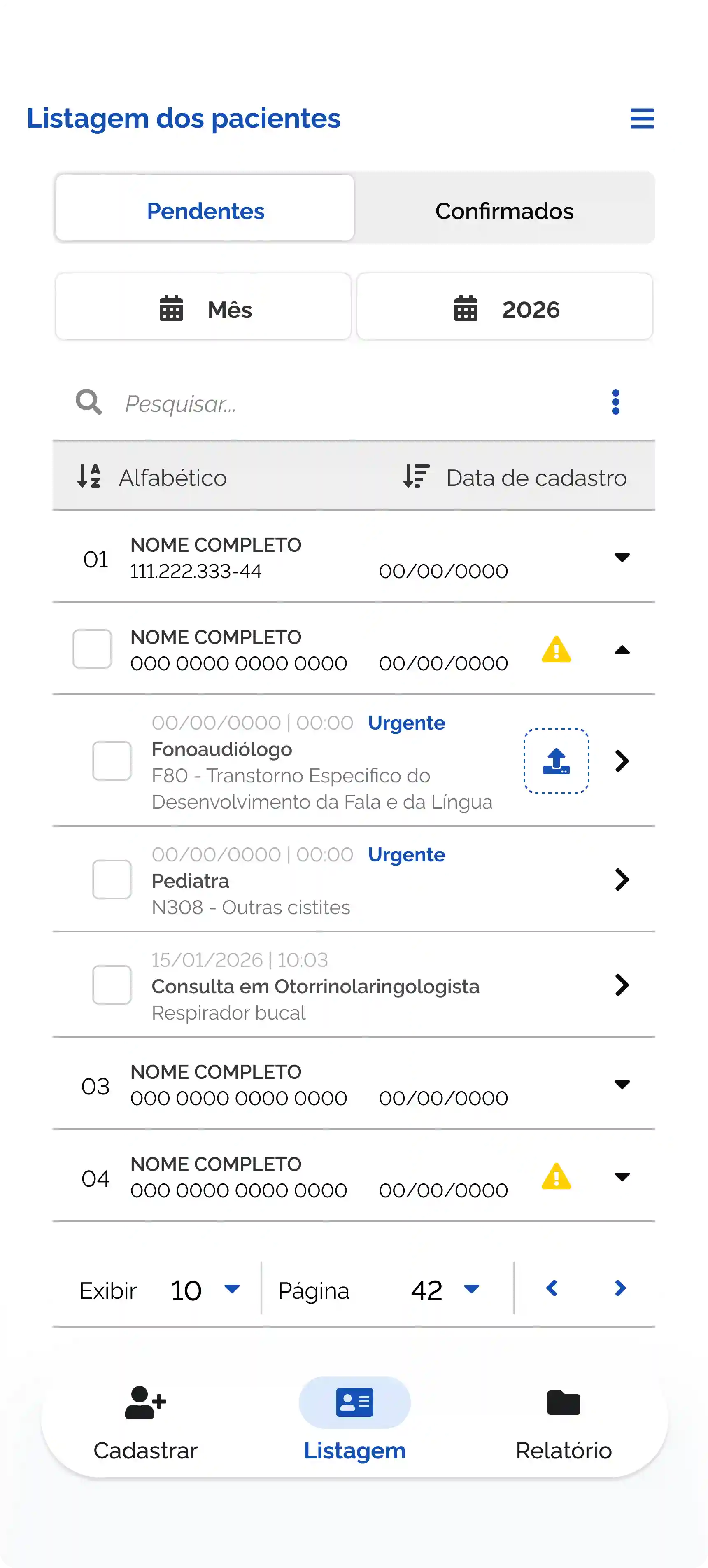
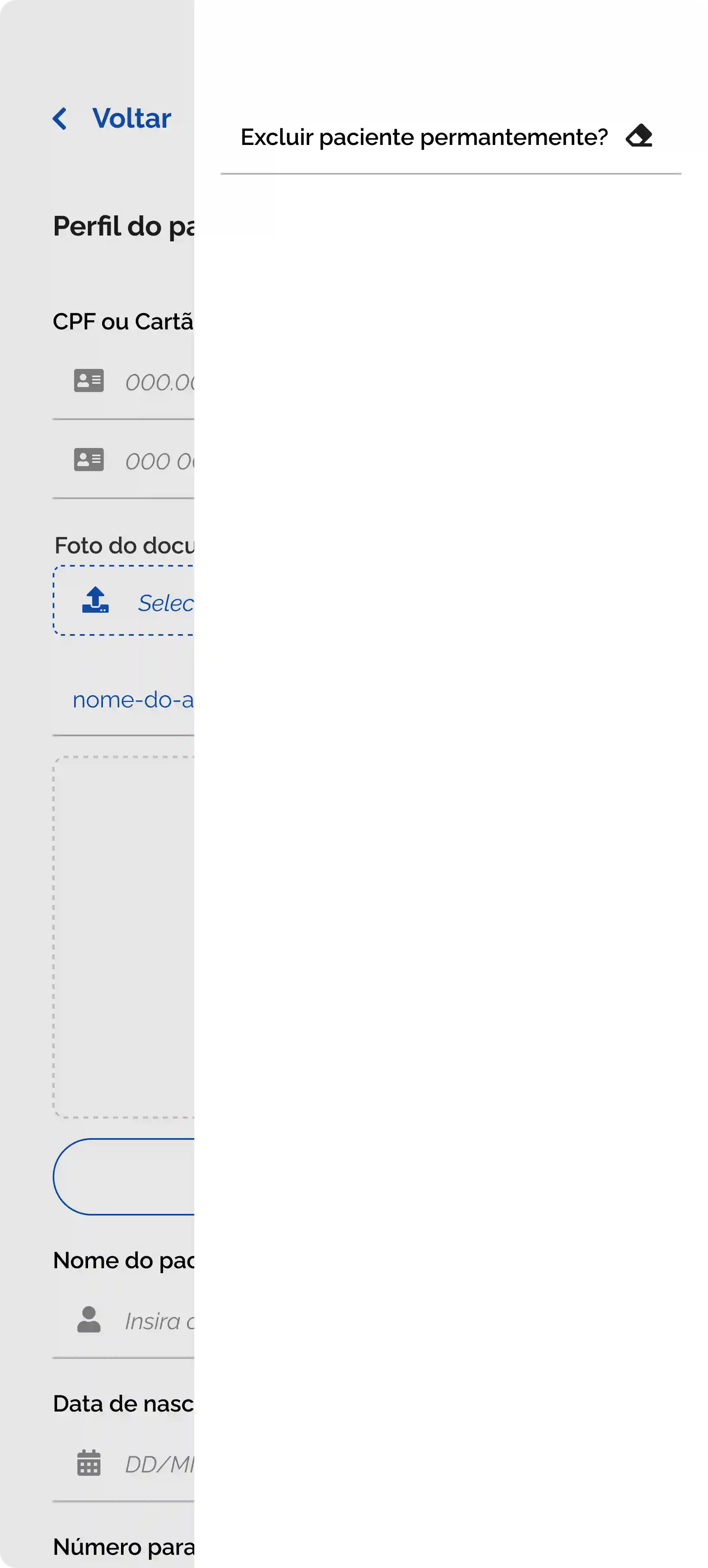
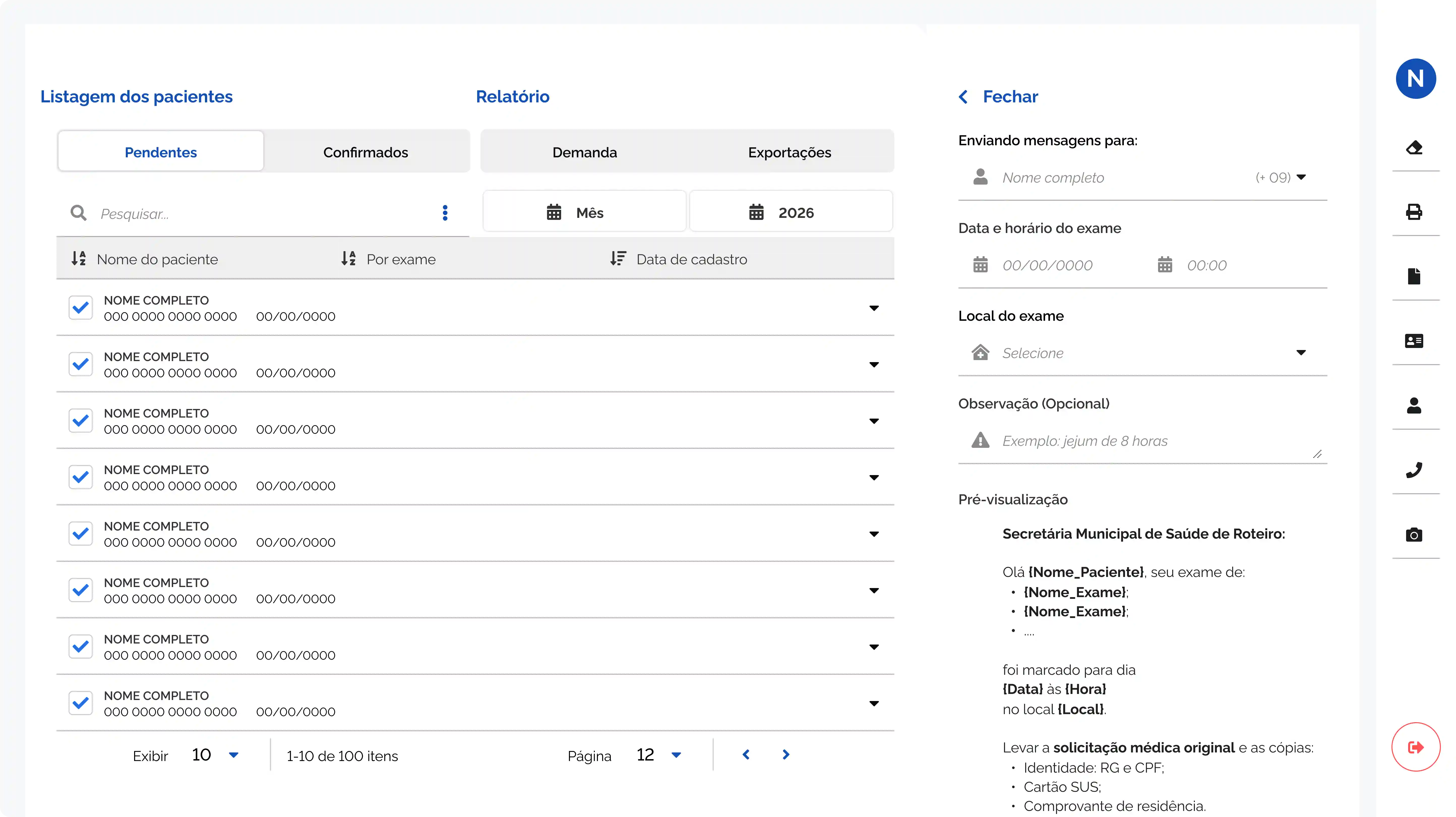
- Selection Mode: Using Long Press on the patient's row activates multiple selection (Checkboxes), allowing batch commands (Print, Confirm, Send) via a floating menu.
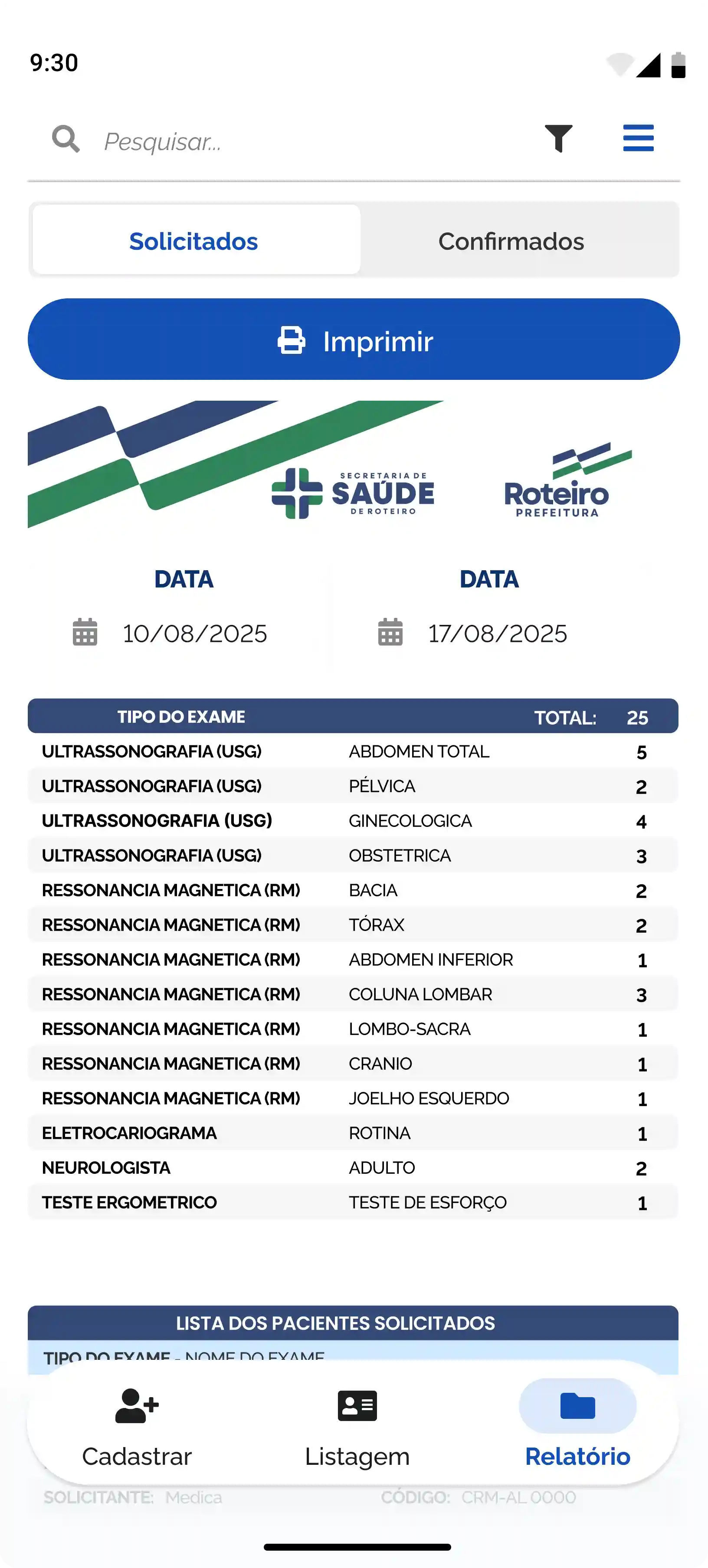
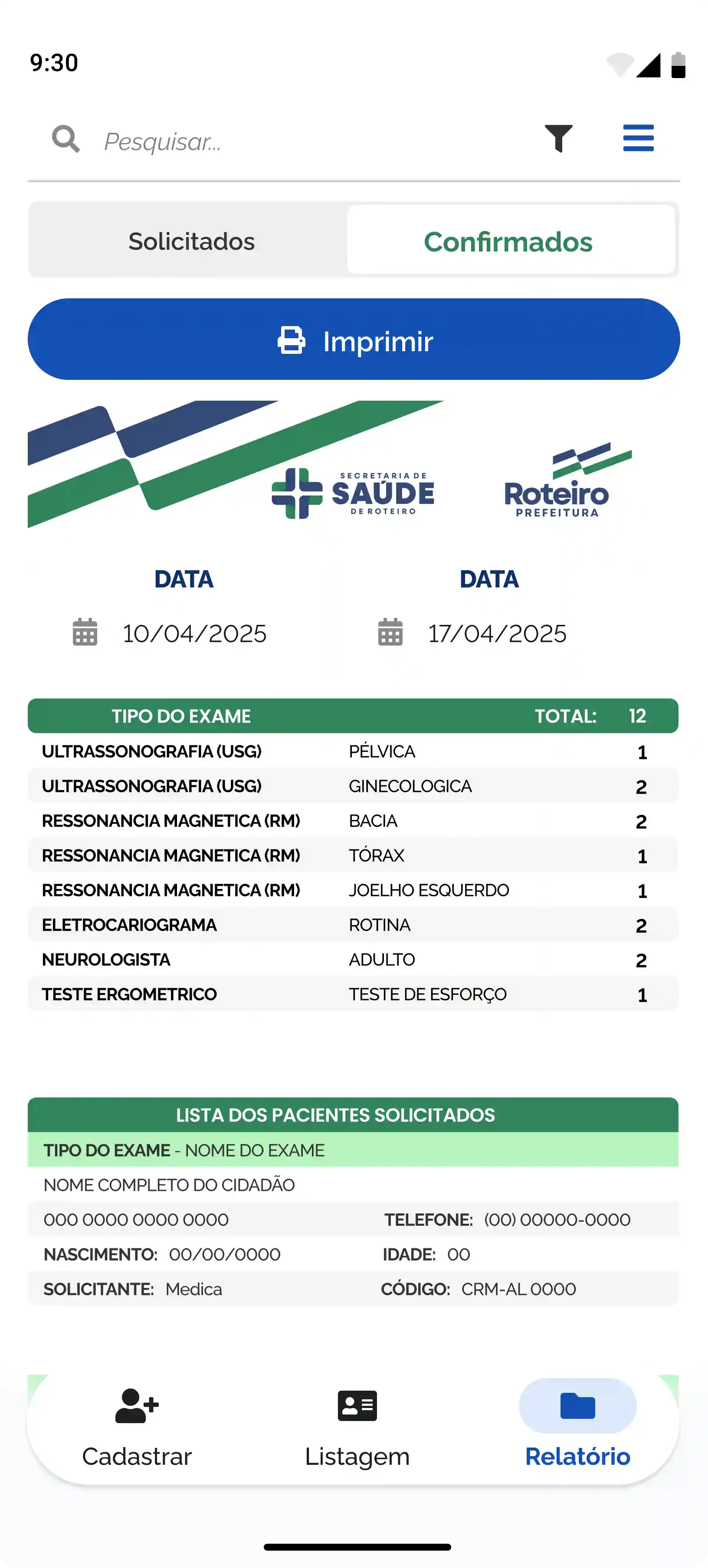
- Document Automation: I redesigned the critical flow. The system now compiles the selected patients and generates the batch PDF in seconds.
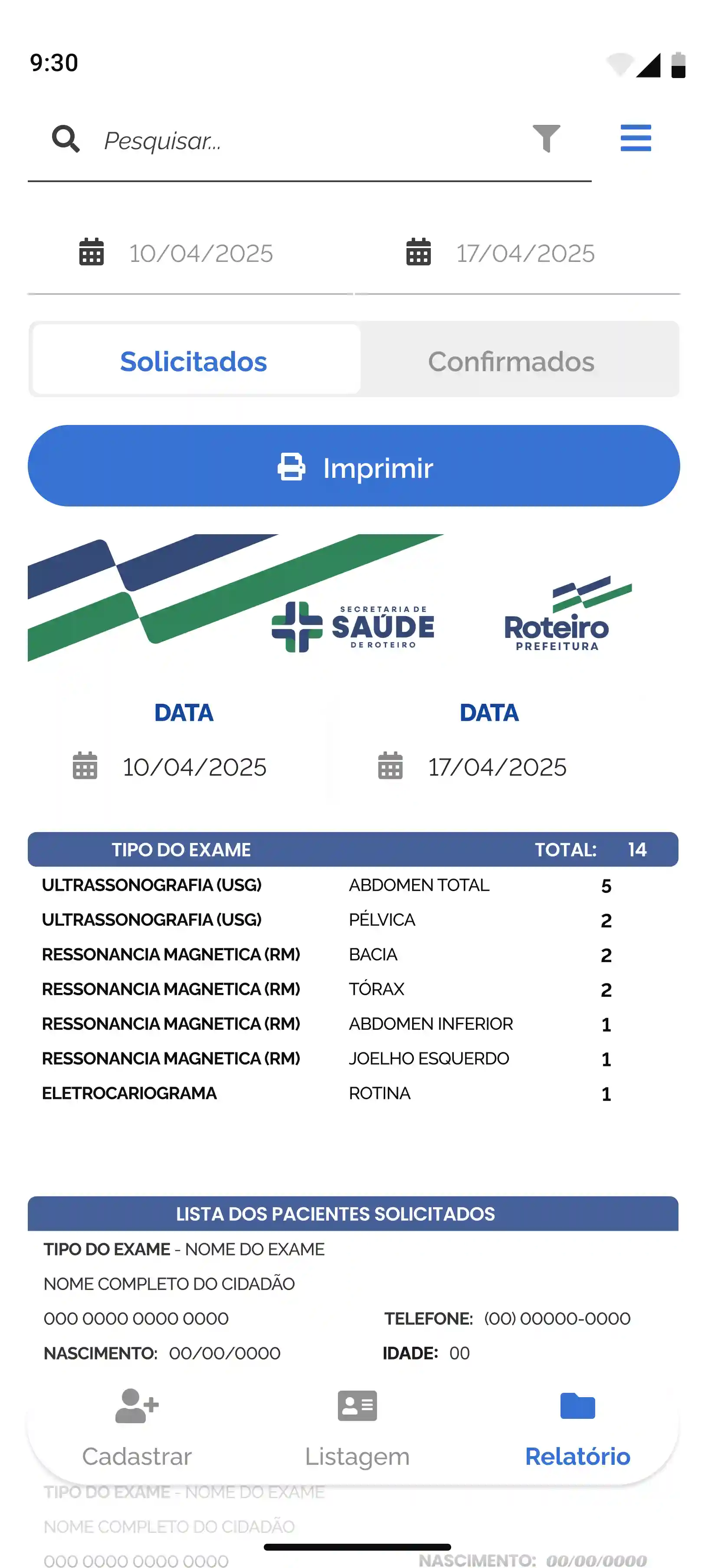
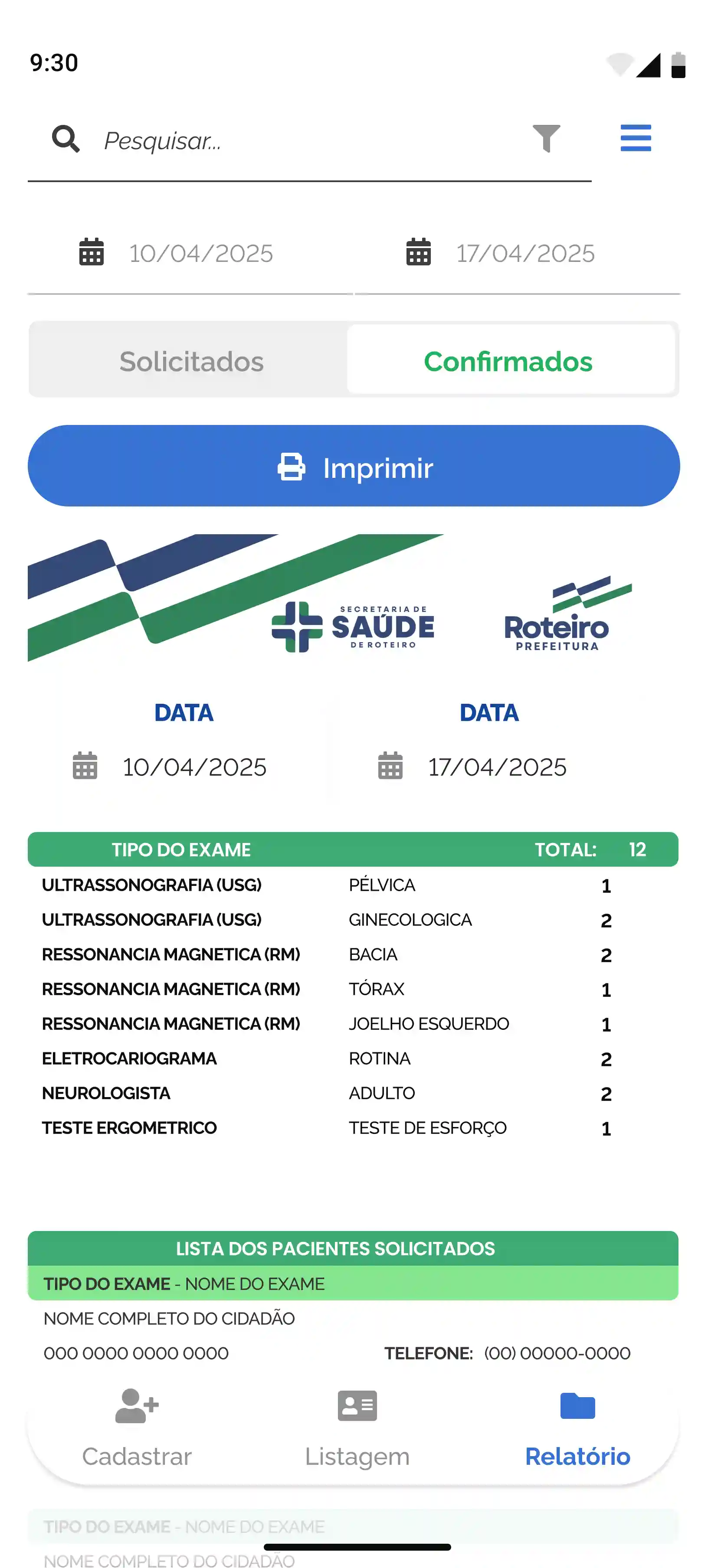
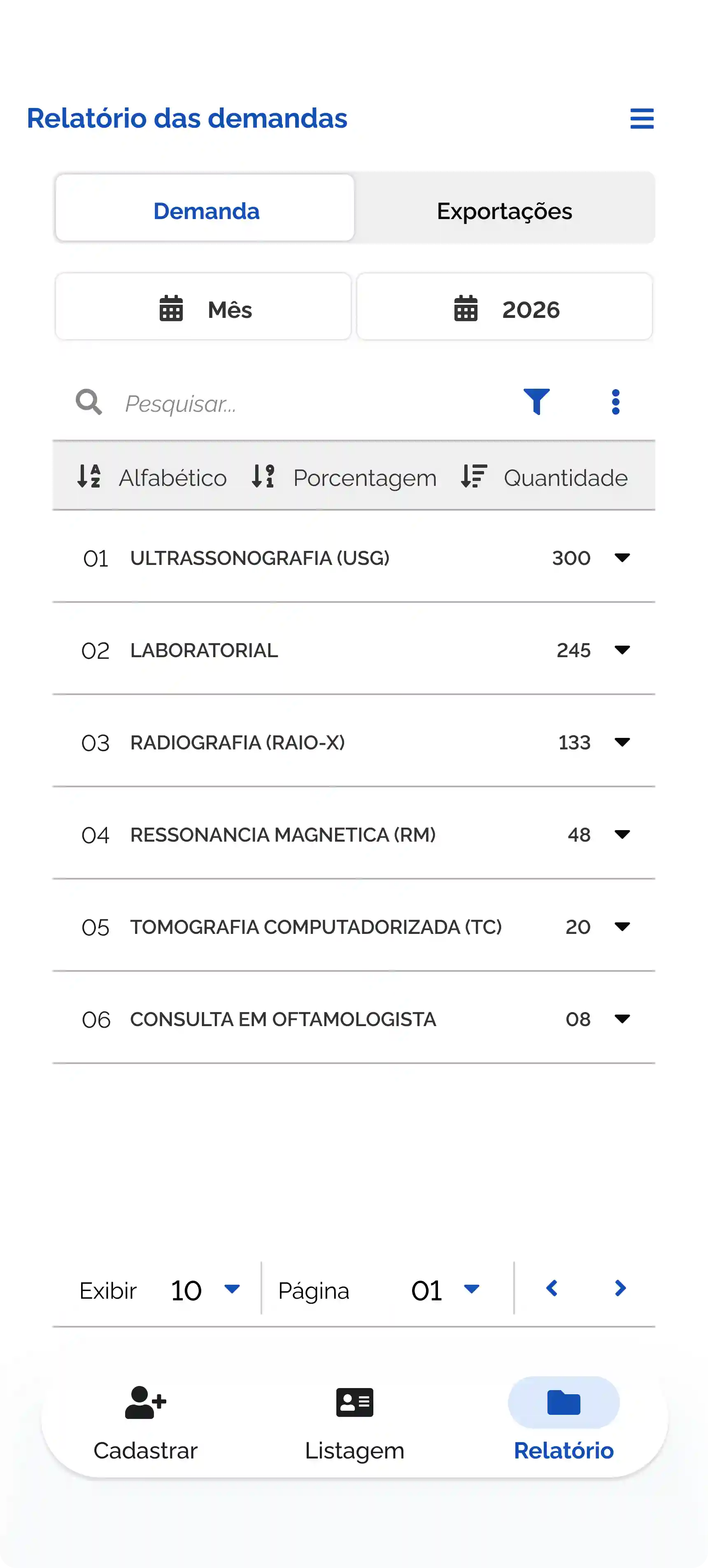
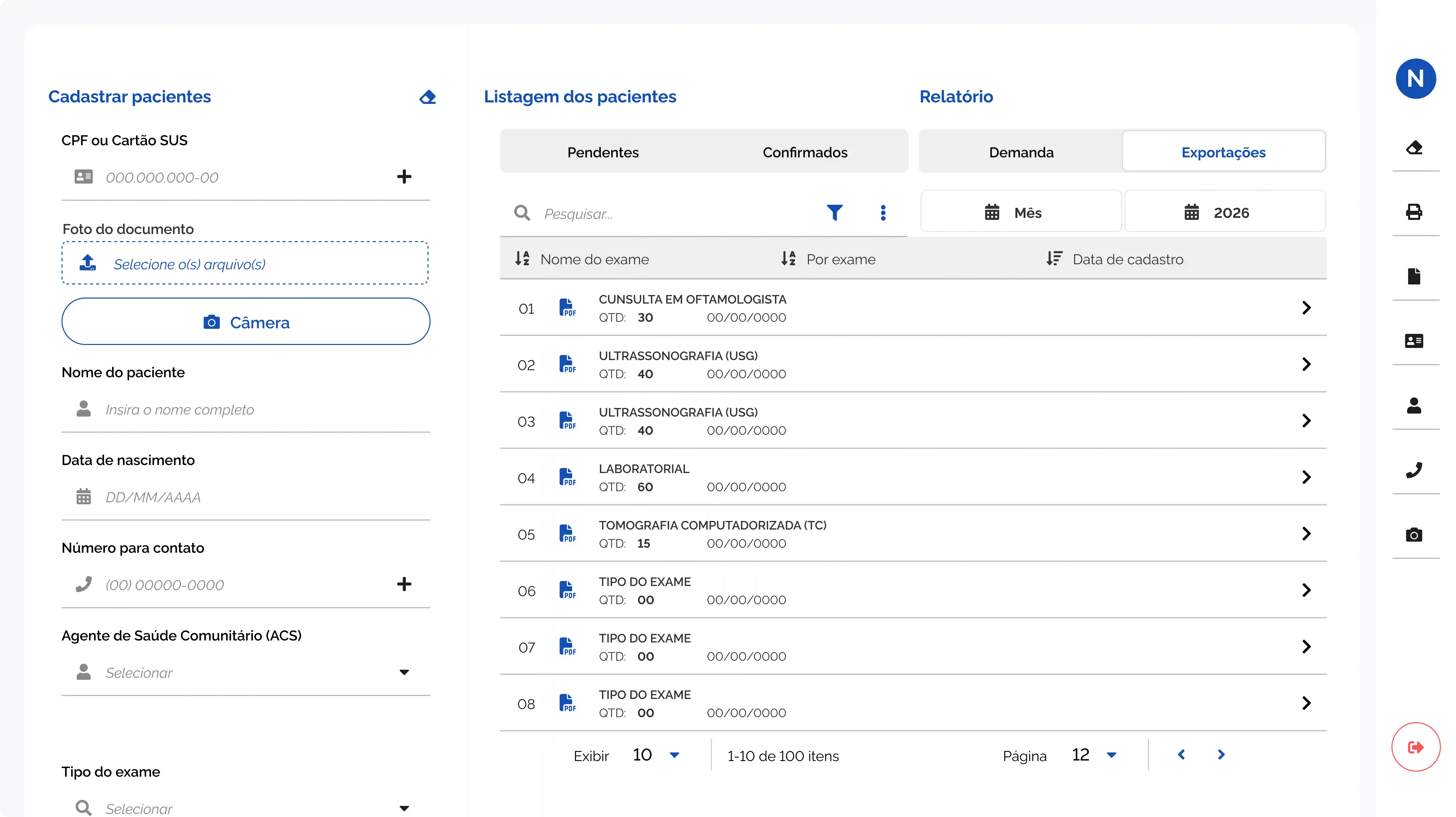
- Data Intelligence (BI): I designed automatic dashboards (Quantitative View) to replace manual counting, allowing management to justify funding requests with real data.
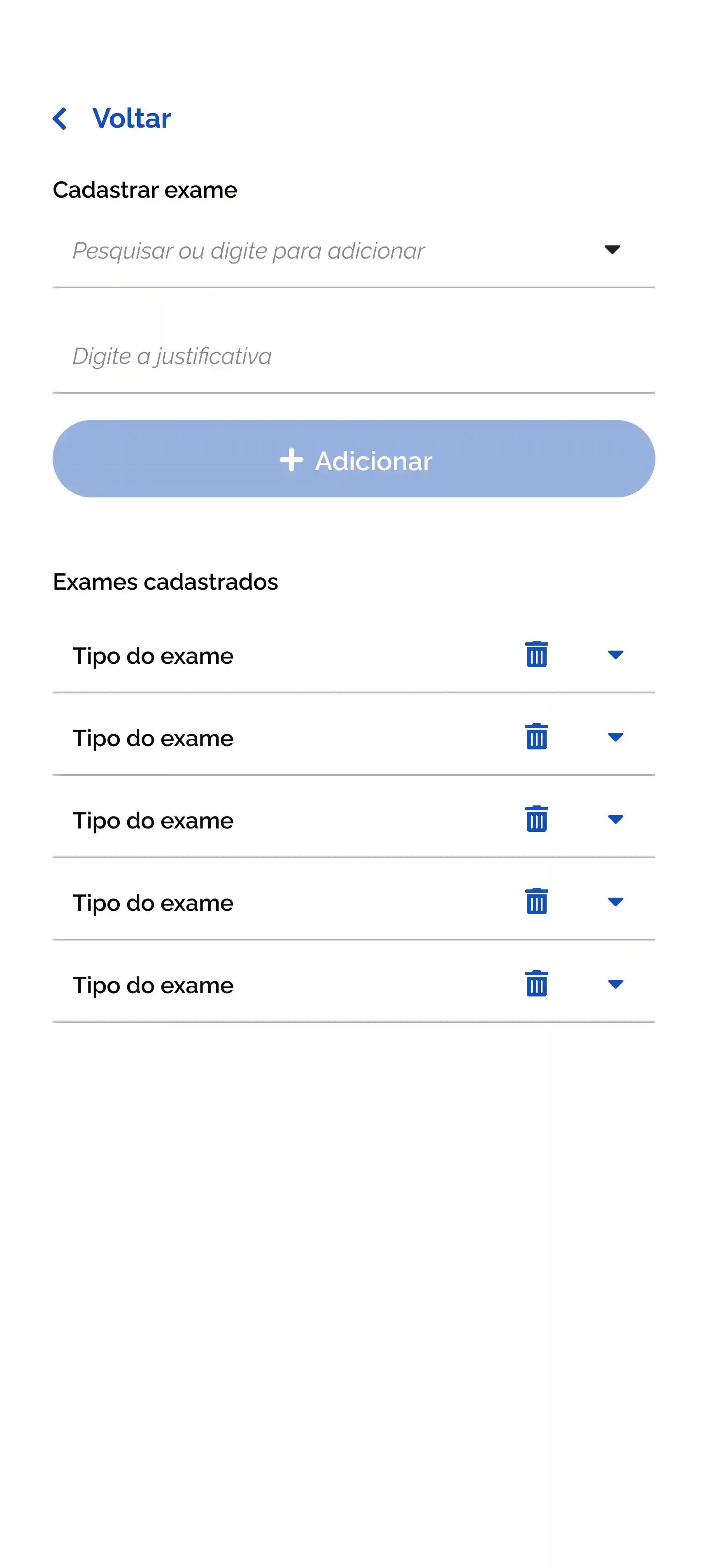
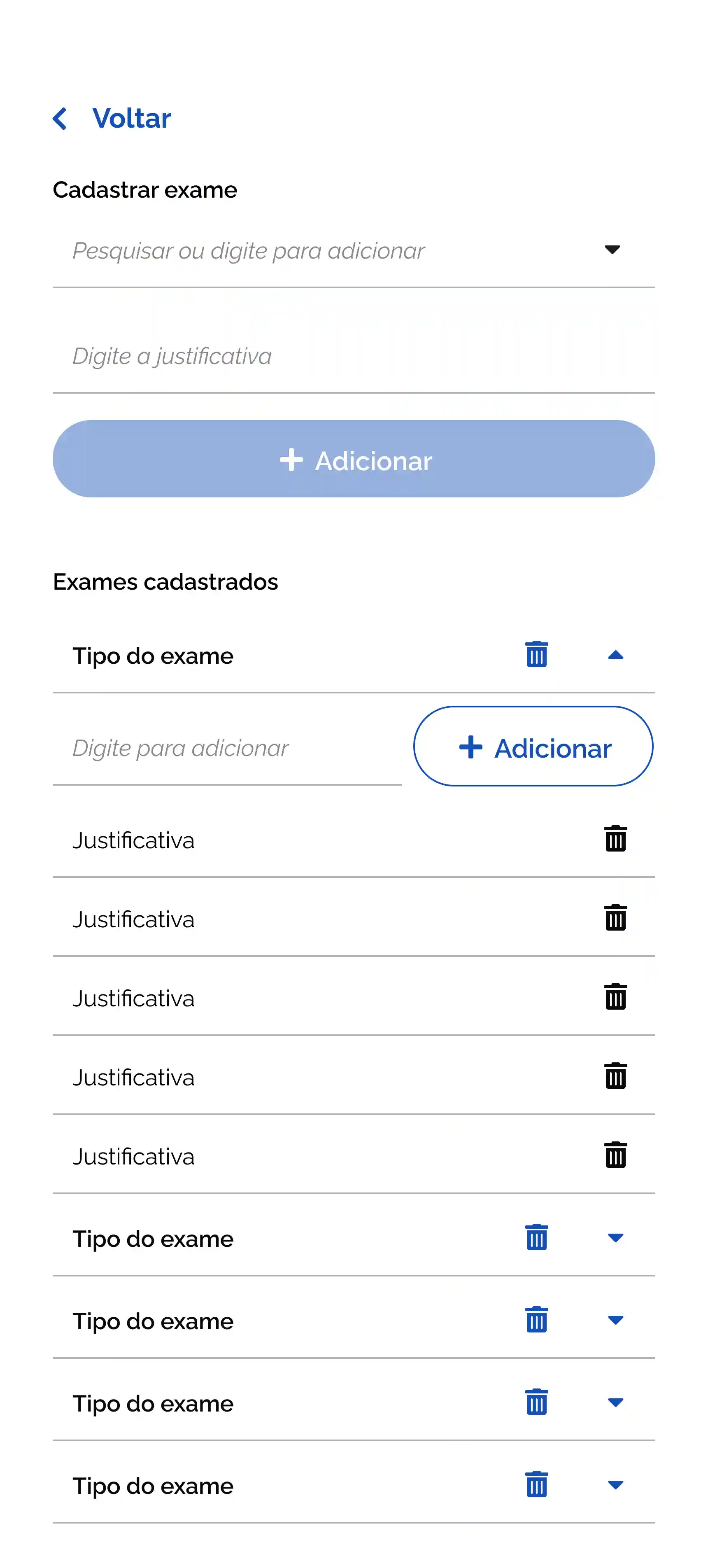
V5 Result: An ultra-high-fidelity Figma prototype simulating all interactions and allowing timing of complex flows like bulk message automation, eliminating the immediate need for code to validate usability.
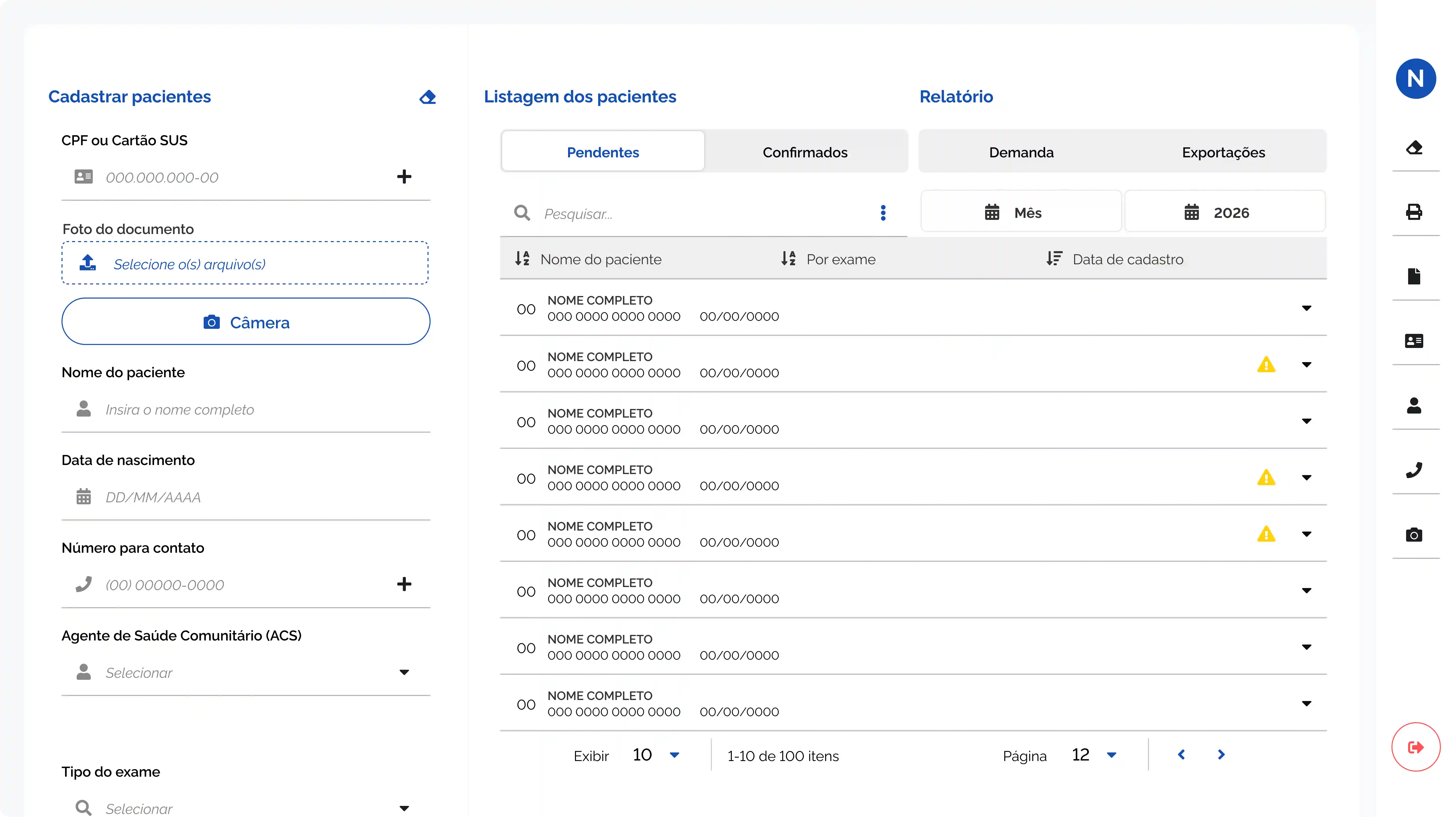
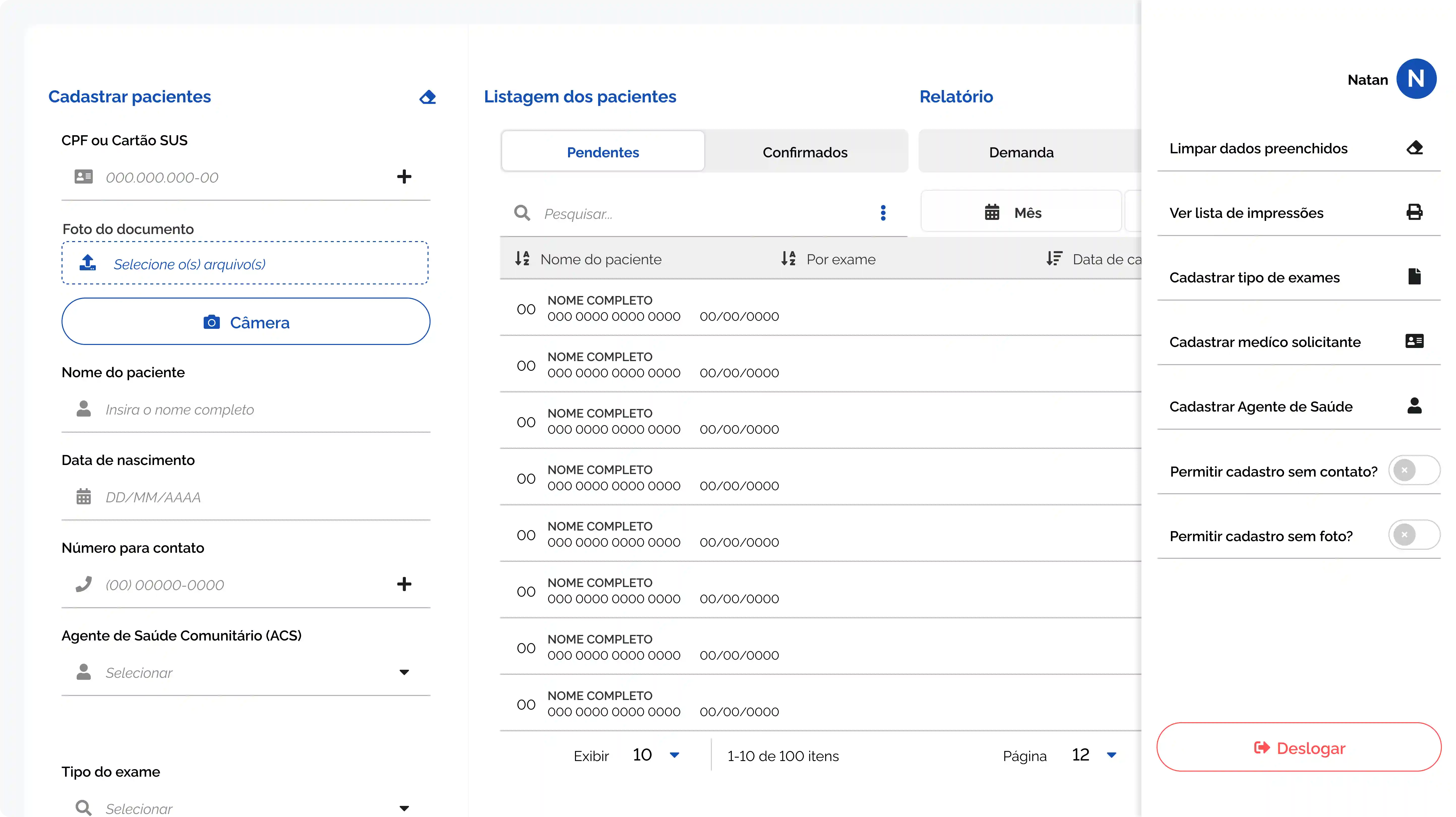
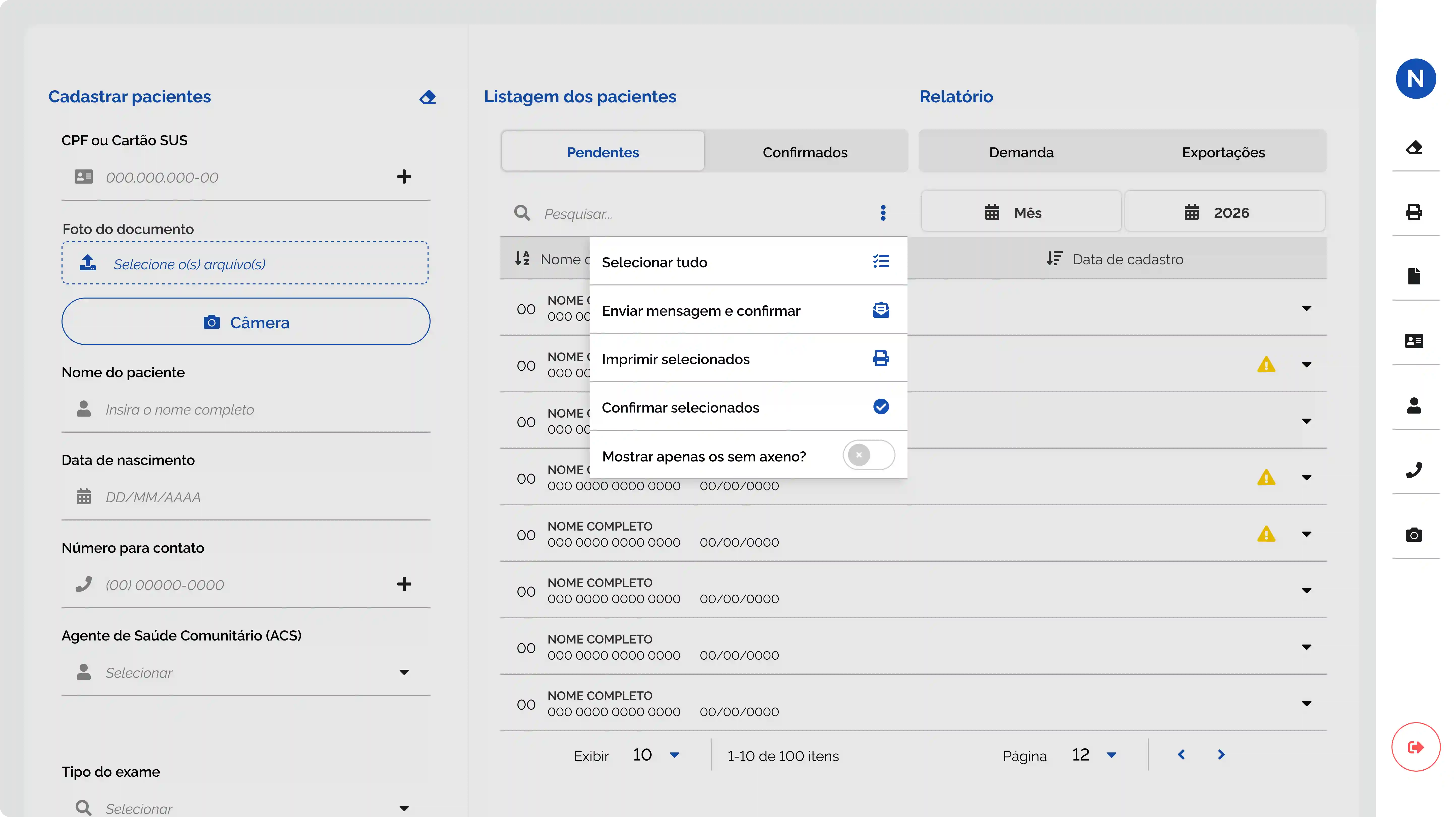
Desktop: Efficiency and Prolonged Use
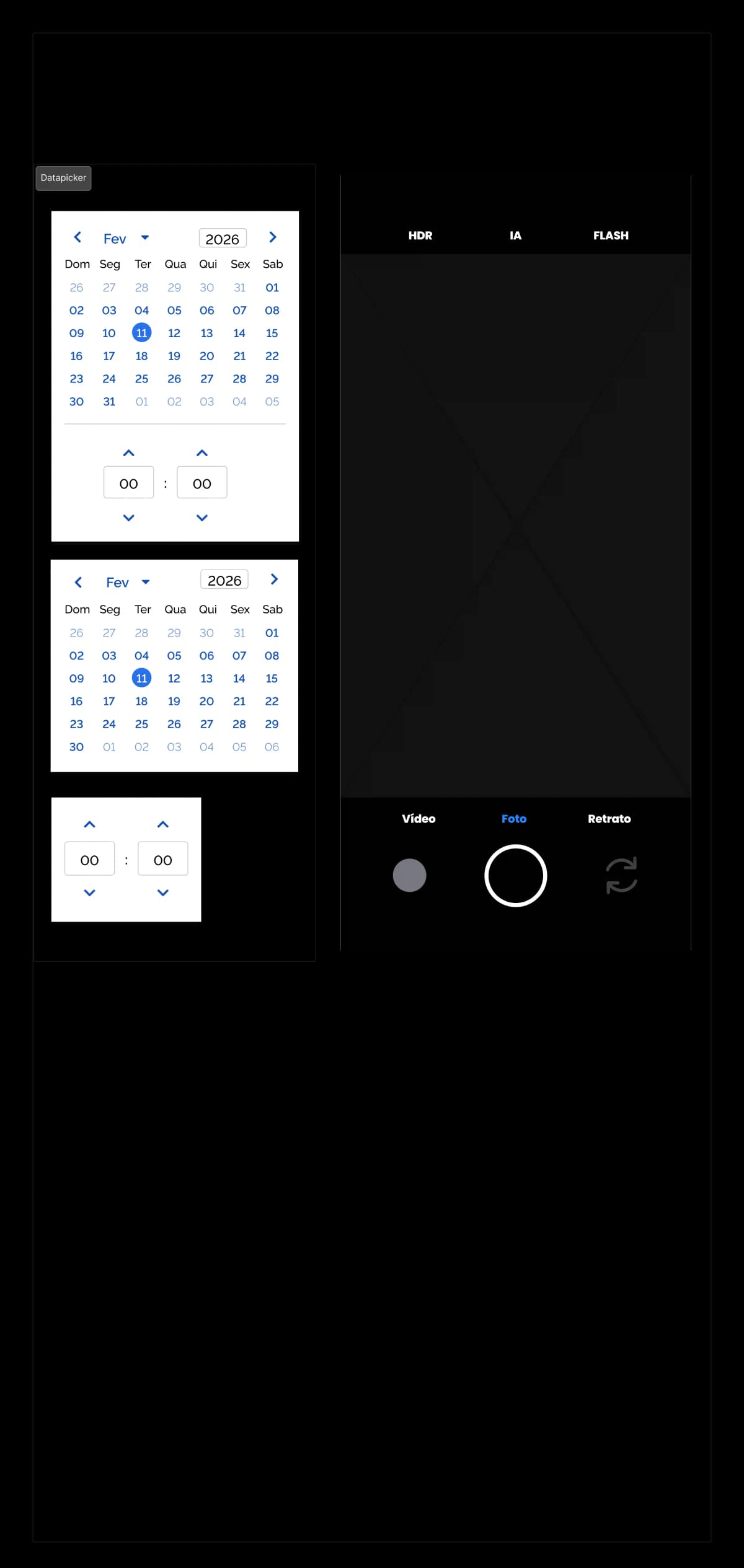
With the mobile version finalized and documented, I started the system's transition to the Desktop environment. This version was specifically designed for those managing the large daily volume of exams. It inherits all the original functionalities, but its main differentiator is the real-time visual feedback for actions, reducing cognitive load during batch registrations. Another major highlight is the flexibility in document capture: alongside direct integration with dedicated scanners and multifunction printers, the platform features Camera Handoff (Cross-Device). This allows operators to use desk equipment or instantly sync their mobile phone to use as a portable scanner, sending the image directly to the Desktop with absolutely no manual file transfers.
Validation and Usability Testing
To validate the V5 solution prior to development, I conducted Comparative Benchmarking with Triple Baseline: Manual Process (Chaos) vs. MVP (Sheets) vs. Regula.Já Prototype (V5).
Testing Methodology
Below, I highlight how the MVP solved the organization, but V5 is necessary to solve the time bottleneck (Images and PDFs).
Data Organization
Relational Database
Batch Time (Images)
~3 minutes (automation)
Security (LGPD)
Protected (App Storage + screenshot block)
Communication (No-Show)
Mass blast (WhatsApp API)
Note: The V5 time (3 min) refers to the UI interaction time measured in the prototype (1min 45s) plus a technical estimate of server latency for image processing.
Projected Impact
Operational Impact (Efficiency)
Time ROI: Projected reduction of 40+ hours of manual work per week
Data Protection: Automatic validation of CNS/CPF ensures database integrity
Financial Health: System prevents duplicate requests
Legal Impact
LGPD Mitigation: In-app capture with private App Storage + screenshot block
Auditability: Comprehensive logs create defense against accusations of favoritism
Social Impact (Access and Citizenship)
Democratization: Removes the economic barrier of physical displacement
Health Security: Digitization reduces crowding and transmission risks
Public Health Impact
Evidence-Based Planning: Dashboards eliminate "guesswork" management
Absenteeism Reduction: Automation of notifications aims to reduce missed dates
Business Impact and Metrics (HEART Framework)
To translate design decisions into real value for municipal management, I projected the operational impacts using the Google HEART framework, adapted for the context of internal products (B2E/GovTech):
H - Happiness (User Satisfaction & Health)
The Problem: The team suffers from repetitive manual processes, generating high cognitive load and burnout risk.
Impact: The automation of "Batch Generation" eliminates the most stressful task of the operation.
Metric: Maintenance of the System Usability Scale (SUS) above 85 points and qualitative reduction in operational fatigue reports.
E - Engagement (Standardization)
The Problem: Use of unofficial processes, such as parallel spreadsheets and WhatsApp ("Shadow IT").
Impact: The system centralizes the operation and makes improvised solutions obsolete due to its ease of use.
Metric: 100% of protocols performed exclusively within the platform in the first 30 days.
A - Adoption (Expansion)
The Problem: Community Health Agents (ACS) currently do not have digital tools in the field.
Impact: Digital inclusion of ACS, allowing them to file exams directly from home visits.
Metric: Active registration and use by 60% of the ACS workforce in the first month of the mobile module.
R - Retention (Voluntary Retention)
Context: Being a mandatory corporate system, retention is "forced". The focus here is to measure user preference.
Success Metric: Zero requests to return to the legacy method (Google Sheets/Word) after the adaptation period.
T - Task Success (Operational Efficiency)
The Big Win: The ROI of the project lies in the time saved on bureaucracy.
Metric: 98% optimization in the main task (saving 2h58min per batch). The system returns dozens of productive hours monthly.
Technical Deliverables (Handoff)
I prepared a complete technical specification package to ensure fidelity during external development:
- Navigable Prototype (Figma) with full flows (Mobile/Desktop)
- User Stories & Acceptance Criteria
- Business Rules and Logic Documentation (e.g., CNS/CPF validation algorithms)
- Design System & Tokens (based on Gov.BR)
- Accessibility Guide (tab order, ARIA labels)
- Optimized Assets (icons and illustrations in multiple resolutions)
Learnings
Operational Immersion: Working inside the system gave me insights invisible to external consultants. No report could replace experiencing the operational routine.
Design as a Living Process: The V1 (SaaS) → V3 (Tactical MVP) → V5 (Mature Product) evolution proved that solving the user's problem (even with spreadsheets) comes before code.
Power of the Standard (Gov.BR): Adopting a consolidated Design System sped up decisions and ensured institutional trust.
Innovation under Extreme Constraint: Lack of budget required creativity (use of volunteers and free tools) to keep the service running while designing the final solution.
Managing Resistance: I discovered the best way to sell change is with functional prototypes that show immediate benefit.
Conclusion
Regula.Já is the materialization of 12 months operating in a complex ecosystem.
This case demonstrates my ability to deliver:
- Deep Investigation: Identification of 18 structural problems
- Strategic Vision: Aligning design with operational efficiency and social impact
- Technical Rigor: Complete specification (Handoff) based on regulatory compliance (WCAG, LGPD)
- Data-Driven Validation: Using metrics (SUS, Time ROI) to guide decisions
Most importantly: this project proves that Design is infrastructure. It is about transforming chaos into order and inefficiency into impact. Regula.Já is the approved and validated Technical Reference Documentation to change the lives of 6,664 citizens of Roteiro.